



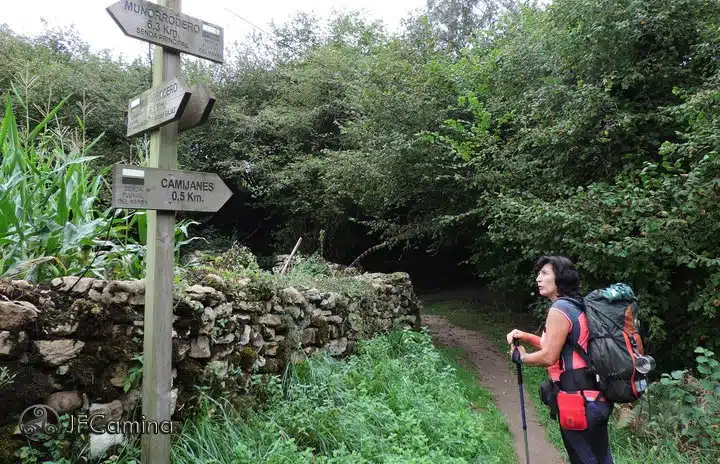
The Camino Lebaniego Foundation promotes four great routes between sea, mountains and spirituality
Cantabria wants to consolidate itself as one of the great pilgrimage and experiential tourism destinations in Europe. Under the motto «Cantabria walks, Cantabria walks», the Camino Lebaniego Foundation has launched an initiative that invites you to discover the region through its historical paths, combining nature, heritage, culture, rural tourism and spirituality.
The proposal seeks to show a Cantabria different, away from the rush and connected to the essence of traveling on foot. A territory where pilgrims can travel from spectacular coastal landscapes to some of the most important spiritual enclaves in Spain.
The project focuses on four major itineraries that cross the autonomous community and that reflect the enormous landscape and cultural diversity of the region.
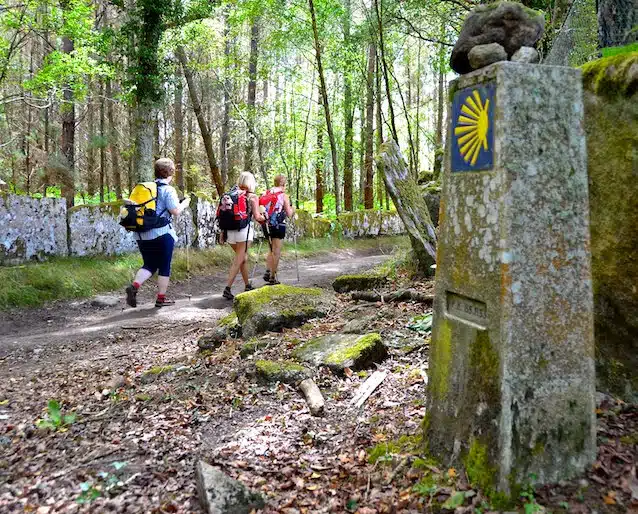
The Lebaniego Way, the great spiritual route of Cantabria
Among all the routes, the Camino Lebaniego stands out, considered one of the great treasures of Cantabrian heritage.
The route begins in San Vicente de la Barquera, one of the most beautiful towns in northern Spain, and heads inland following the Nansa valley until reaching the Liébana region.
During the route, pilgrims pass through towns such as Muñorrodero, Cades, Lebeña, Cabañes and Potes before reaching the Monastery of Santo Toribio de Liébana.
This sanctuary is one of the main centers of Christian pilgrimage in the world, guarding the Lignum Crucis, considered the largest preserved fragment of the cross of Christ.
The surroundings of the Picos de Europa also make this route one of the most spectacular hiking, religious tourism and nature experiences in northern Spain.
From the sea to the valleys along the Lebaniego Medieval Trail
The second great proposal is the Lebaniego Medieval Trail, a historical route that connects the Cathedral of Santander with the heart of Liébana.
The itinerary crosses some of the most characteristic landscapes of Cantabria, including the valleys of Pasiegos, Puente Viesgo, Anievas and Tudanca, one of the towns with the greatest historical and cultural tradition in the community.
It is a path that for centuries was used by merchants, travelers and pilgrims, becoming one of the main communication routes between the coast and the interior.
Today it regains its prominence as an ideal alternative for those seeking rural tourism, hiking and authentic experiences.
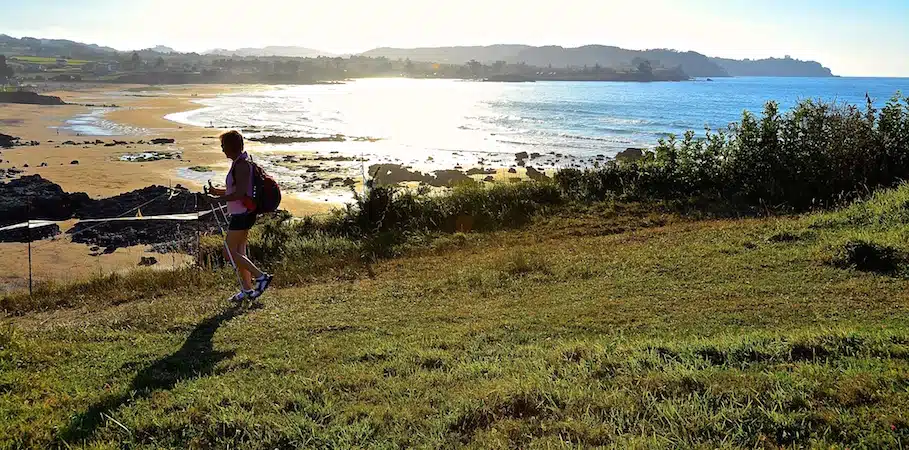
The Camino de la Costa continues to be one of the great attractions
The Camino de la Costa, integrated into the historic Camino de Santiago and recognized as World Heritage by UNESCO, continues to be one of the most popular routes for international pilgrims.
Your tour of Cantabria offers a unique combination of beaches, cliffs, fishing villages, historical heritage and local gastronomy.
Thousands of pilgrims from all over the world choose this variant every year looking for a less crowded experience than the French Way and with unique landscapes facing the Cantabrian Sea.
The route has also become one of the great references of active tourism and the so-called slow travel, a trend that is increasingly in demand by travelers looking to disconnect and travel at a different pace.
The Forgotten Path recovers medieval history
The fourth route promoted by the Camino Lebaniego Foundation is the so-called Camino Olvidado.
This old medieval itinerary connects Bilbao with the Cantabrian region of Campoo and continues later towards Villafranca del Bierzo.
For centuries it was used by pilgrims seeking to avoid more insecure areas of the northern peninsula.
It is currently experiencing a significant recovery thanks to the growing interest in less traveled routes.
Romanesque churches, mountain landscapes, small towns and an enormous historical wealth make this route a highly valued alternative for those seeking tranquility and authenticity.
Cantabria is committed to nature tourism and pilgrimage
The promotion of these four routes is part of a broader strategy to position Cantabria as a reference destination in sustainable tourism, cultural tourism and pilgrimage.
The combination of sea, mountains, historical heritage and spirituality offers a proposal that is difficult to find in other European territories.
Furthermore, the growing international interest in the Camino de Santiago and experiences related to mental health, hiking and digital disconnection is favoring the arrival of new visitors to the region.
The Camino Lebaniego Foundation believes that walking these itineraries allows you to discover an authentic Cantabria, where each stage offers a new story and where the trip becomes a unique personal experience.
Because in Cantabria, more than visiting places, it is about exploring them step by step.

















