

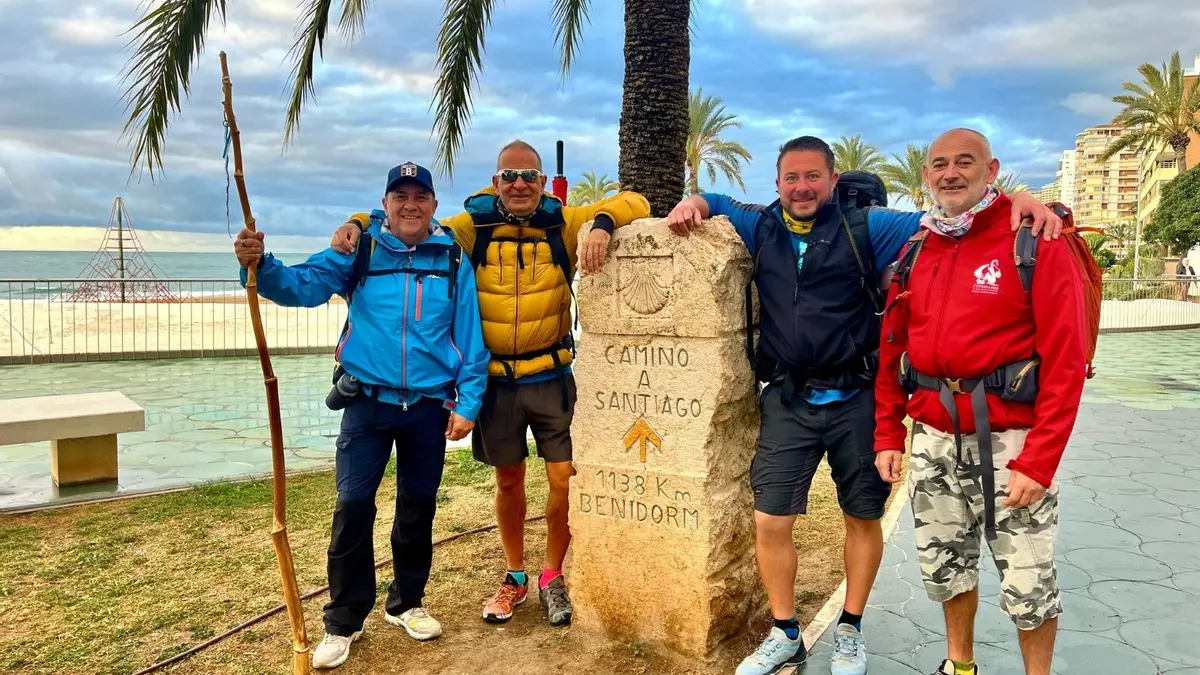
The most famous image of Benidorm, the one of sun, beach and skyscrapers, coexists with a much more austere and spiritual adventure: the Camino de Santiago. For years, the city of Alicante has established itself as the starting point of an official branch of the Southeast Route (also known as the Levante-Southeast Way), offering pilgrims a journey that is among the longest on the peninsula.
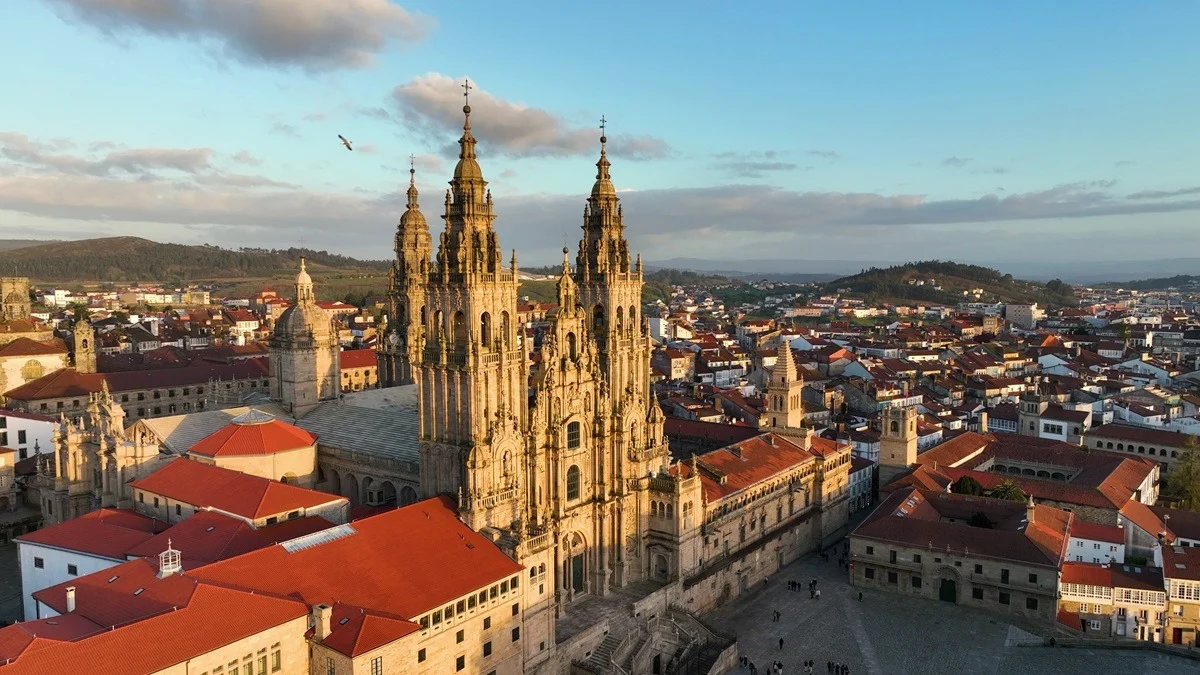
Leaving the Mediterranean Sea behind, the walkers begin a journey of more than 1,100 kilometers to the Cathedral of Santiago de Compostela.
The Central Route: Sea and Mountains before La Meseta
He Camino de Santiago from Benidorm officially starts in the emblematic Church of Saint James and Saint Anne, a spectacular viewpoint over the beach. The first stages quickly leave the coast to enter the mountainous interior of Alicante.
- Estimated Total Distance: Approximately 1,140 to 1,216 kilometers, depending on the variants.
- Duration: Experienced pilgrims usually estimate 40 to 45 days to complete the route on foot.
The route from Benidorm is considered a Center Branch that links with the Southeast Path (or Vía de la Lana). The first kilometers pass through towns in the interior of Alicante, including:
| Initial Stage | Key Locations | Distance Approx. |
| Stage 1 | Benidorm – Relleu | 25 – 27 km |
| Stage 2 | Relleu – Torremanzanas | 19 – 20 km |
| Stage 3 | Torremanzanas – Ibi/Onil | 30km |
| Stage 4 | Ibi/Onil – Villena | 19 – 29 km |
In Villena, the route merges with the main trunk of the Camino del Sureste. From there, the journey takes the pilgrim to cross the Valencian Community, the Region of Murcia, Castilla-La Mancha and, finally, connect with the Silver Way until Astorga and, from there, with the famous French Way to Santiago.
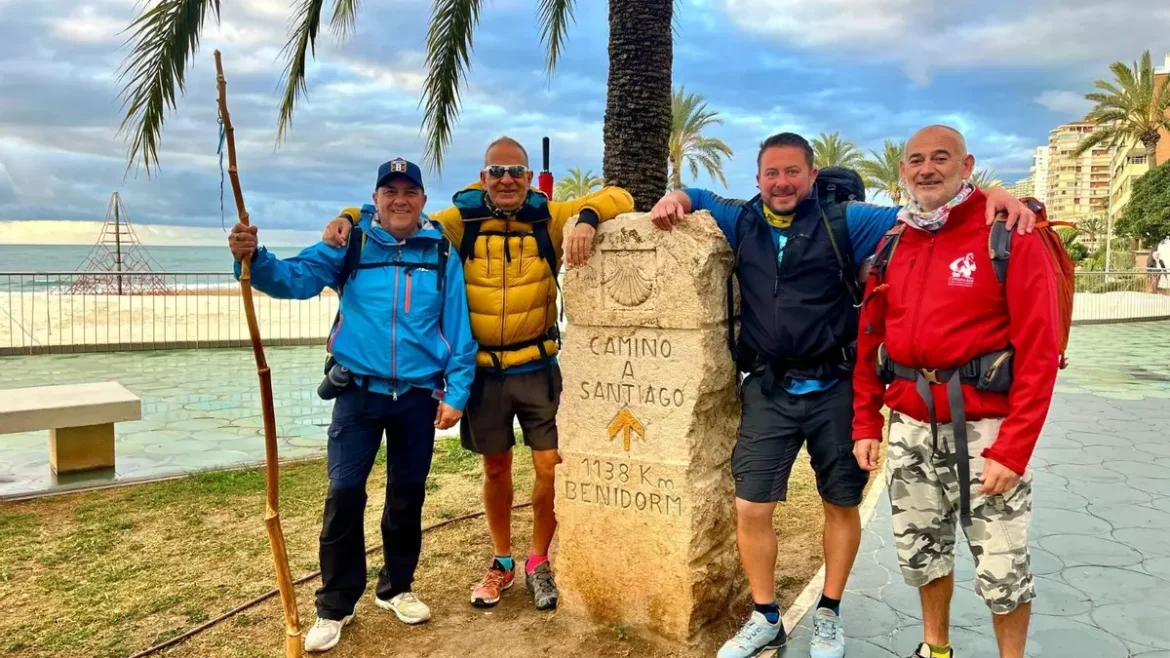
A Route of Authenticity and Toughness the PATH
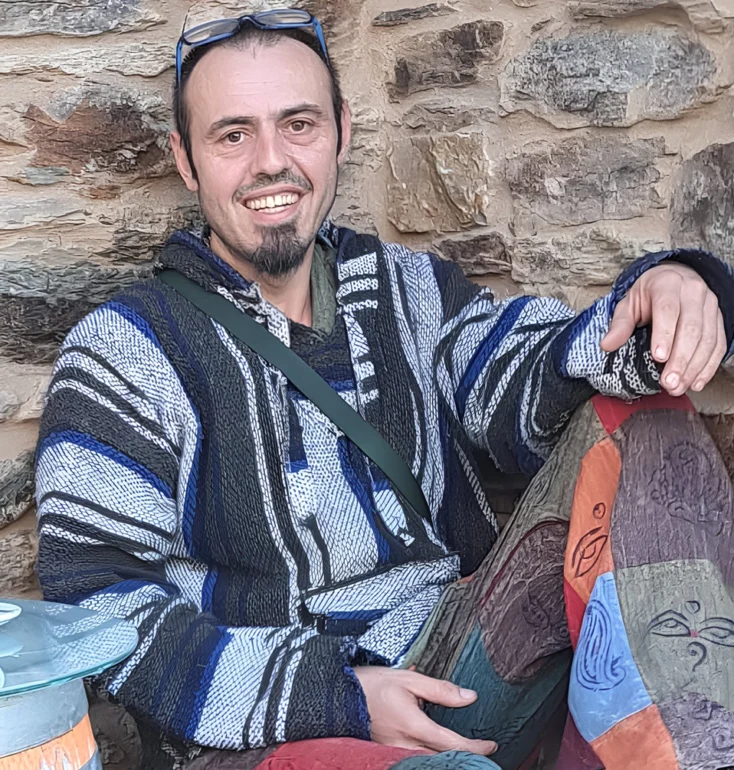
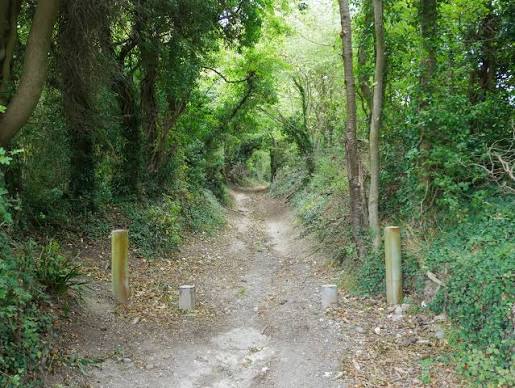
Pilgrims who have completed the route, like Álvaro Lazaga, have highlighted the hardness of the first stages, marked by the mountainous terrain and the absence of the large infrastructures of other more traveled routes.
Recent testimonies indicate that, especially in the La Mancha section, it is common to walk for days without crossing paths with other pilgrims, which adds a component of authenticity and solitude highly valued by those seeking a deep experience.
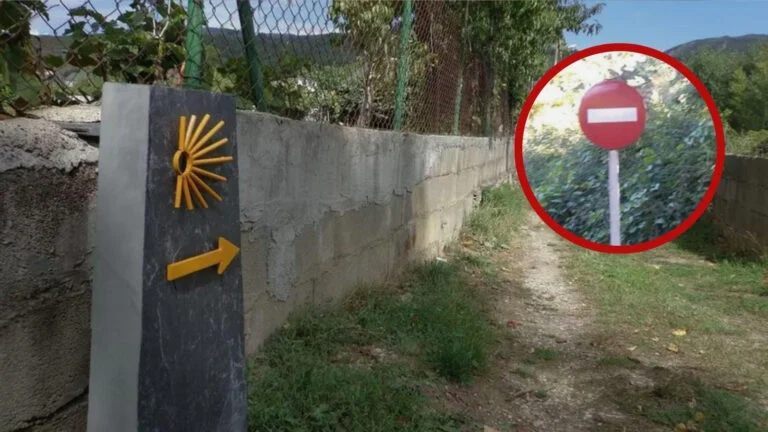
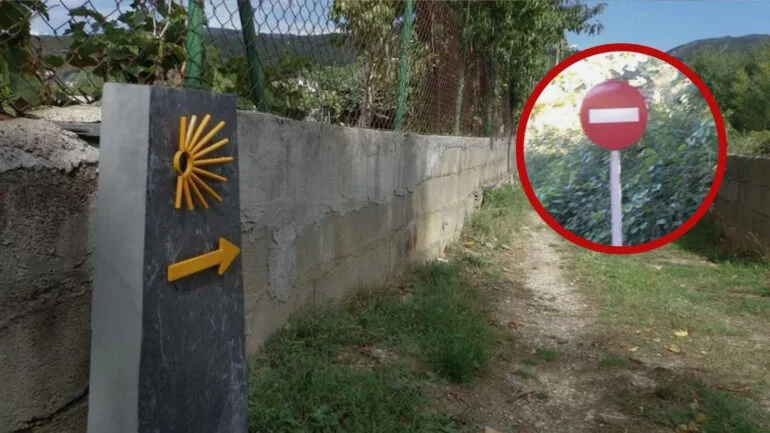
The Association of Friends of the Camino de Santiago de Alicante has been key in the signaling and revitalization of this branch, ensuring that the shell plates and the arrows guide the walker from the very center of Benidorm, transforming the Costa Blanca tourist into a true pilgrim.