



A pilgrim has died after suffering cardiac arrest while walking the Camino de Fisterra as it passed through the A Coruña municipality of Ames. The health services tried to revive him at the scene, but could not save his life.
The Camino de Fisterra has once again been marked by sad news.
A pilgrim lost his life this Monday, October 5, while traveling this Jacobean route as it passed through Ames, in the province of A Coruña, after suffering an illness that ended up leading to cardiac arrest.
The event occurred around noon.
The emergency services received notice that a walker was unwell and moved to the point where he was.
The paramedics tried to revive him.
Personnel from the Galicia Health Emergency Service-061, who began resuscitation maneuvers.
Despite the efforts of health professionals, it was ultimately not possible to save his life.
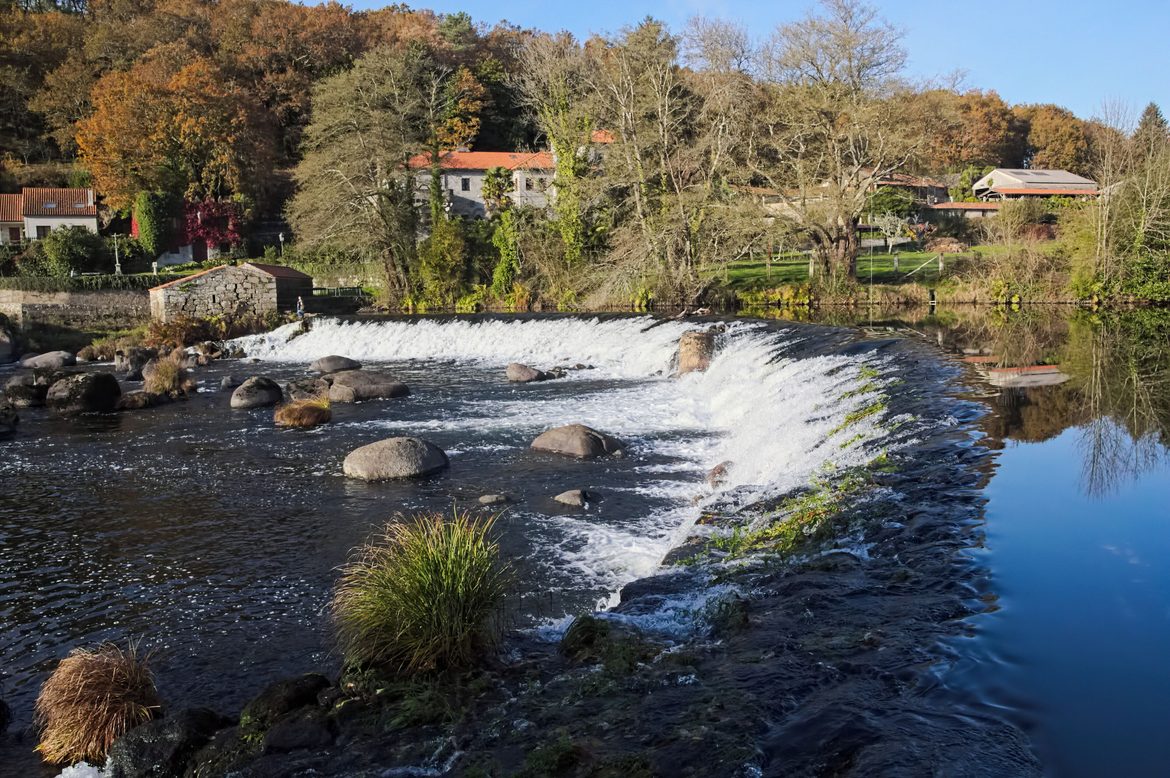
Troops from the Ames Local Police, agents of the Civil Guard and members of Civil defense.
Civil Protection later conveyed their condolences to the family, friends and colleagues of the deceased pilgrim.
A route that continues beyond Santiago
The Camino de Fisterra is one of the most unique routes in the Jacobean universe.
Unlike other itineraries, it does not end in Santiago de Compostela, but rather starts from the Galician capital and continues towards the Costa da Morte, with Fisterra as one of its main destinations.
Many pilgrims decide to extend their Camino after arriving at Obradoiro to travel these last kilometers towards the Atlantic.
The passage through Ames is part of that initial journey towards the west of Galicia.
Second recent death on this route
The death occurs just a few days after another fatal accident recorded on the Camino de Fisterra.
On September 25, another pilgrim died in the municipality of Cee after suffering a fall while riding a bicycle on a steep section.
They are two different events, but both remind us that even on very busy routes emergency situations can occur.
Walking also requires caution
The Camino de Santiago is an experience open to people of very different ages and conditions, but each pilgrim must adapt the stages to their physical situation and pay attention to any signs of discomfort.
Extreme fatigue, chest pain, dizziness, shortness of breath or a sudden illness should not be ignored.
In situations like this, stopping and asking for help can be decisive.
It is not about generating alarm, but about remembering something simple: no objective, stage or arrival is worth putting your health at risk.
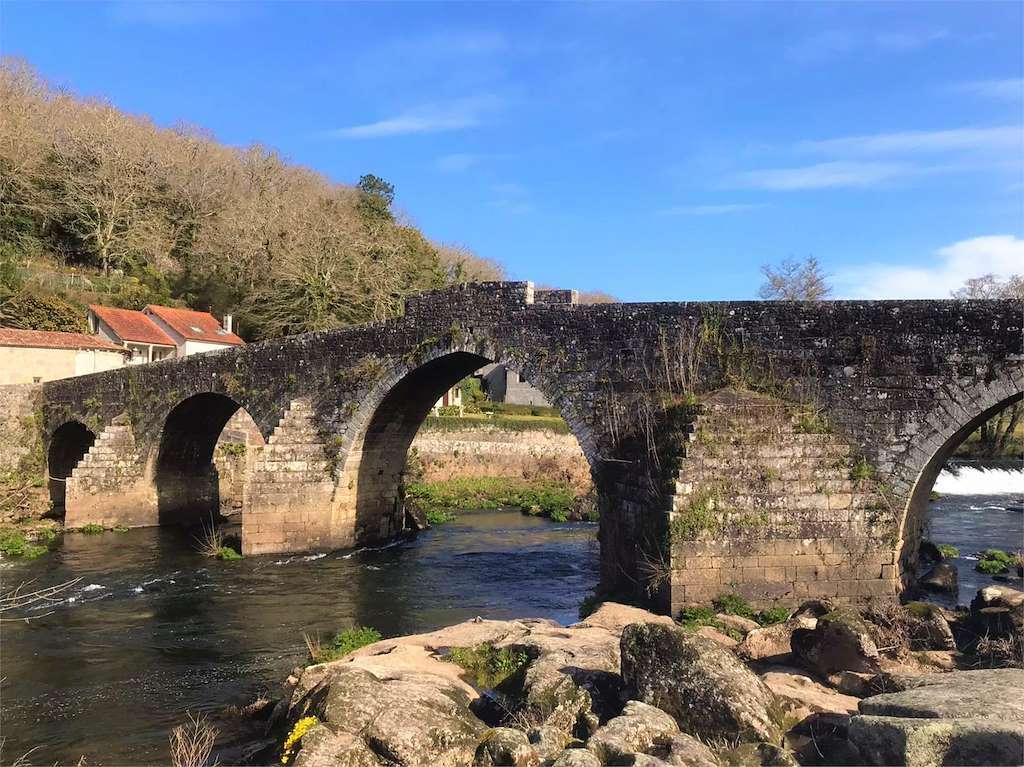
A moment of respect on the Camino
Behind every piece of news of this type there is a person, a family and colleagues who were living an experience that should have ended differently.
Therefore, beyond the specific circumstances of the event, there remains respect for the deceased pilgrim and for those who shared his Camino.
From RTV Camino de Santiago we also want to convey our condolences to his family, friends and colleagues.
Buen Camino, pilgrim.

















