



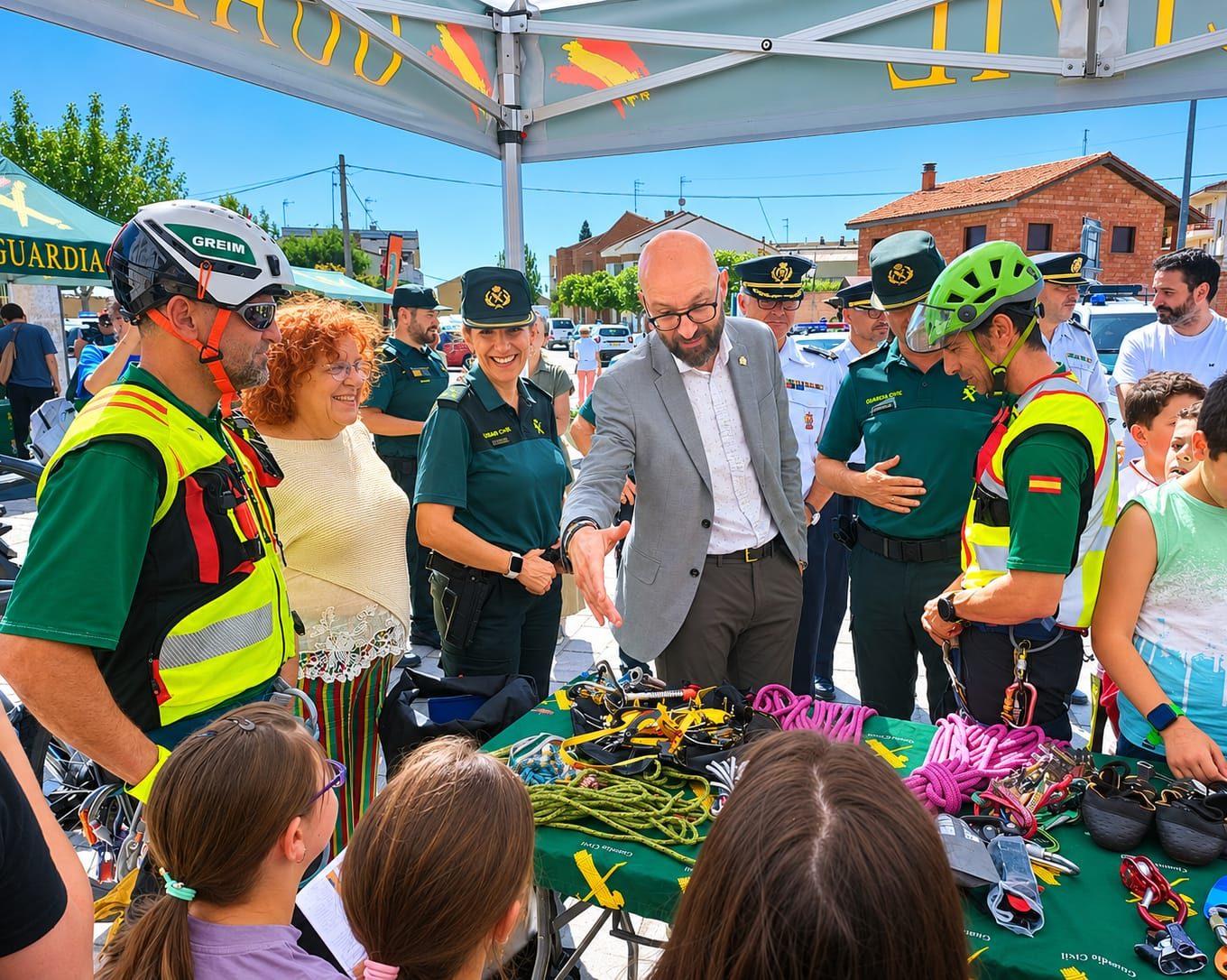
Civil Guard and National Police reinforce surveillance on the Camino de Santiago
The province of León has launched the Jacobean Security Plan 2026, a broad device aimed at reinforcing the protection, assistance and surveillance of pilgrims who travel the Camino de Santiago. The initiative, integrated into the Safe Tourism Plan 2024-2027, seeks to guarantee a safe experience on one of the most important pilgrimage routes in the world.

The operation was presented in Mansilla of the Mules and will have the participation of the Civil Guard and National Police, who will deploy patrols, specialized units, drones, rescue teams, traffic agents and the Mobile Pilgrim Assistance Office. In addition, this year new technological tools are incorporated that will allow telematic complaints to be made during the pilgrimage itself.
The data reflects the growing importance of the Camino in the province. During 2025, more than 55,000 pilgrims crossed León, a figure that confirms the rise of religious tourism, hiking and cultural routes linked to the Jacobean heritage. The Security Forces and Corps carried out more than 6,300 actions related to security, assistance and prevention along the route.
One of the most notable aspects of the plan is the attention to women who complete the Camino alone. The "You don't walk alone" campaign is once again part of the device through tools such as AlertCops and the Guardián del Camino system, which allow location sharing with security forces and speed up the response to any incident.
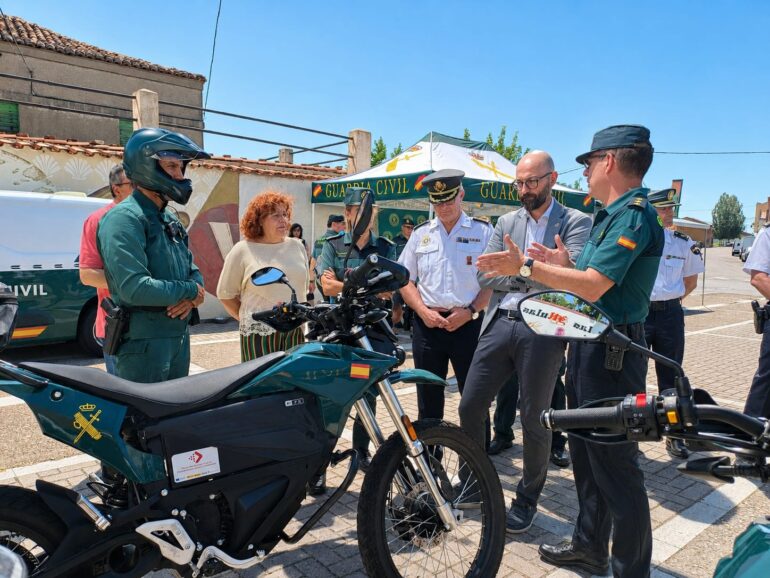
The authorities highlight that the incidence of crime remains very low compared to the high number of pilgrims who travel the route each year. This scenario turns the Camino de Santiago into one of the great international benchmarks for safe tourism, a key condition to continue promoting the arrival of national and international visitors ahead of Xacobeo 2027.
The activation of the Jacobean Security Plan 2026 also reinforces collaboration between administrations, town councils, Jacobean associations, hostels and security forces, consolidating the Camino as an economic engine for rural areas and one of the most valued travel experiences in Europe.

















