



In its last meeting, the Commission of the Routes to Santiago through Castilla y León approved by majority to include the Vía Aquitania as a new Historic Route to Santiago, bringing the number of those who have this distinction to ten. This approval comes once there is a master plan for the Camino Francés, an objective that was achieved in 2024, and from which such significant actions were derived as the digitalization of the route, the creation of the digital information center for the Camino de Santiago Francés, which is now available to users on the Junta de Castilla y León Tourism Portal, and the map of black dots on the route. Likewise, at the end of last year, a competitive subsidy was granted to the Federation of Associations of the Historic and Traditional Ways to Santiago of Castilla y León for the implementation of its own master plan.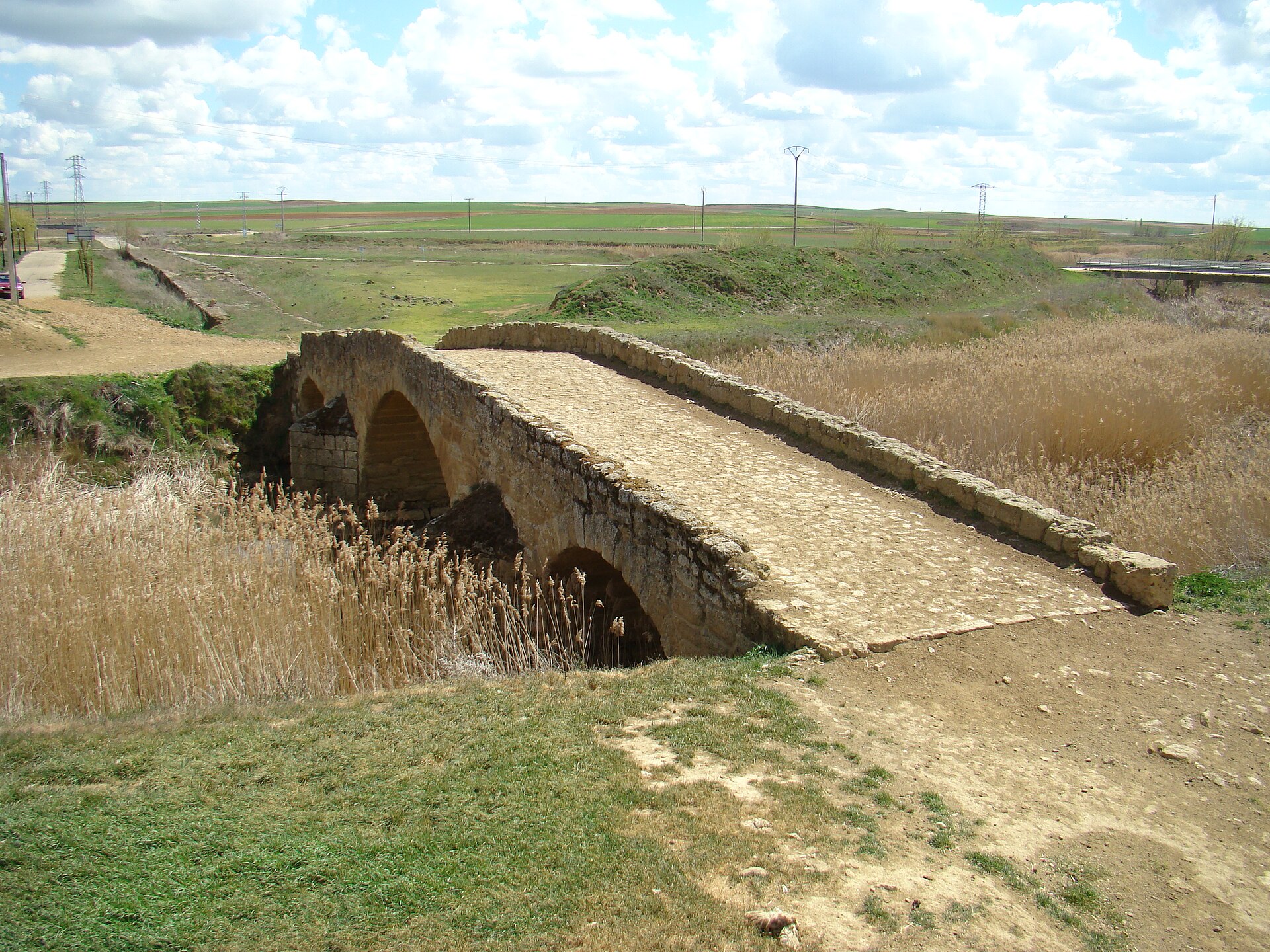
The Via Aquitania Way has a route of 90 kilometers, starting in Burgos, and follows the line projected by the Roman road Ab Asturica Burdigalam, number 34 in Antonino's itinerary, also known as De Hispannia in Aequitania. Some historians consider it as the original route before it was planned, between the mid-11th century and the beginning of the 12th, by Kings Sancho III of Navarra and his descendants Alfonso VI of León and Sancho Ramírez of Aragón and Pamplona, the route known since then as the French Way. It runs through historic towns such as Sasamón (the ancient Roman Segisamone), Tardajos (Teobrigula or Deobrigula), Osorno and Melgar de Fernamental (in the surroundings of Dessobriga), joining the French Way in Villalcázar de Sirga. From there, it continues as the French Way to Astorga (Asturica Augusta), passing through the old road of Carrión de los Condes (Lacobricam), one of whose sections can still be traveled in the vicinity of Benevívere.
On the Via de Aquitania, and more specifically in Arconada, some historians have located what is considered one of the oldest hospitals on the peninsula (c.1040) intended for the reception of pilgrims and others in need.
As a guideline, the promoters of the initiative that has ended in recognition, the Association of Friends of the Camino a Santiago Vía Aquitania (based in the Burgos town of Sasamón, is made up of members from the two provinces, Palencia and Burgos, and in collaboration with the town councils along the route of the Roman road, Osorno in the case of Palencia), propose the following stages with their corresponding mileage: Burgos-Villanueva de Argaño, 21.52 km; Villanueva de Argaño-Sasamón, 12.56 km; Sasamón-Melgar de Fernamental, 18.39 km; Melgar de Fernamental-Osorno, 12.30 km and Osorno-Villalcázar de Sirga, 24.5 km.
The Via Aquitania Way, which is already signposted, begins in Burgos and follows the route of the Roman road. In Palencia, enter through Osorno and continue through the districts of Las Cabañas de Castilla and Santillana de Campos, continuing through Arconada until joining the French Way again in Villalcázar de Sirga, and from this town to Carrión de los Condes where the Via Aquitana of the French Way continues.
The Ab Asturica Burdigalam road, number 34 in Antonino's itinerary, also known as From Hispannia to Aequitania, is a road that is considered the germ of the current French road and was known in the Middle Ages as Vía Aquitana, entering through Roncesvalles to Pamplona, continuing along the Alava plain, Miranda de Ebro to Burgos, Sasamón, Melgar de Fernamental, Osorno, Carrión de los Condes, Sahagún to Astorga.
This route would be the one that the first pilgrims would travel until Sancho el Mayor of Pamplona diverted it through the recently conquered kingdom of Nájera and later the section from Burgos to Carrión was diverted by Alfonso VI through Castrojeriz and Frómista, these new routes are those that appear in the Calixtino Codex and are the current French Way.
FOUNTAIN: PALENTINE DIARY

















