The Caminos Route of Pope Leo XIV is committed to sustainable development and cultural identity in deep Peru
A project that combines faith, responsible tourism and opportunities for local communities
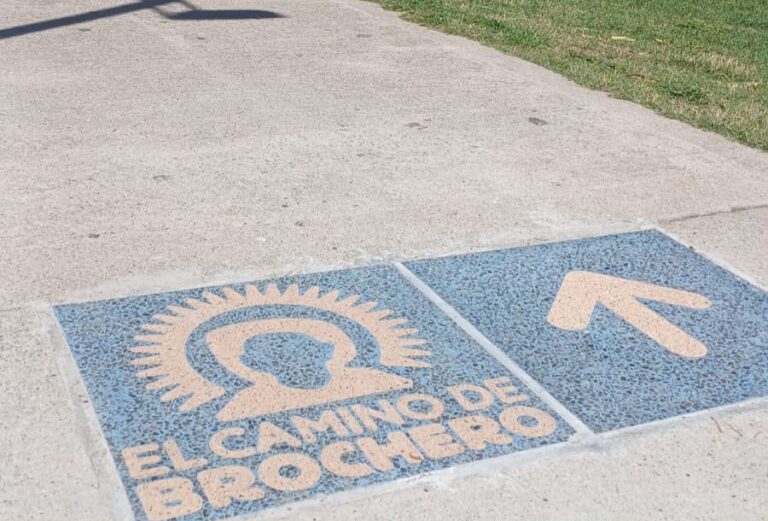
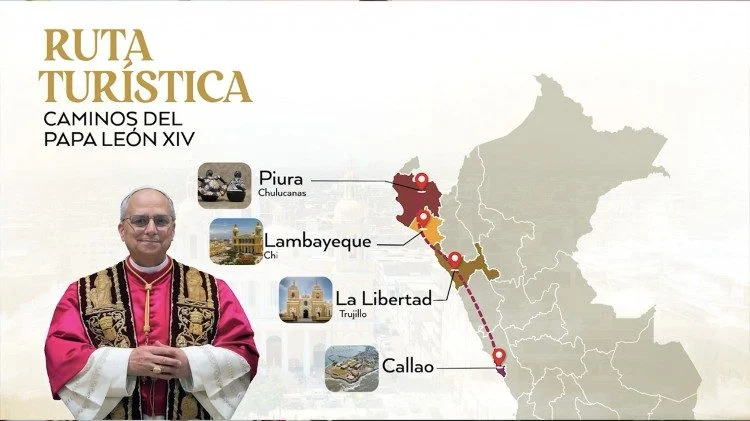
The Paths of Pope Leo XIV Route It is consolidated as an initiative that goes far beyond religious tourism. The project, promoted in different regions of the Peru, aims to promote sustainable development, strengthen cultural identity and generate new economic opportunities for communities that have historically remained on the margins of large tourist circuits.
Inspired by the spiritual legacy of Pope Leo XIV, this route seeks to highlight historical paths, local traditions and cultural expressions that are part of the soul of the country.
Faith and territory: a journey with a social sense
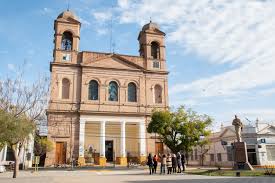
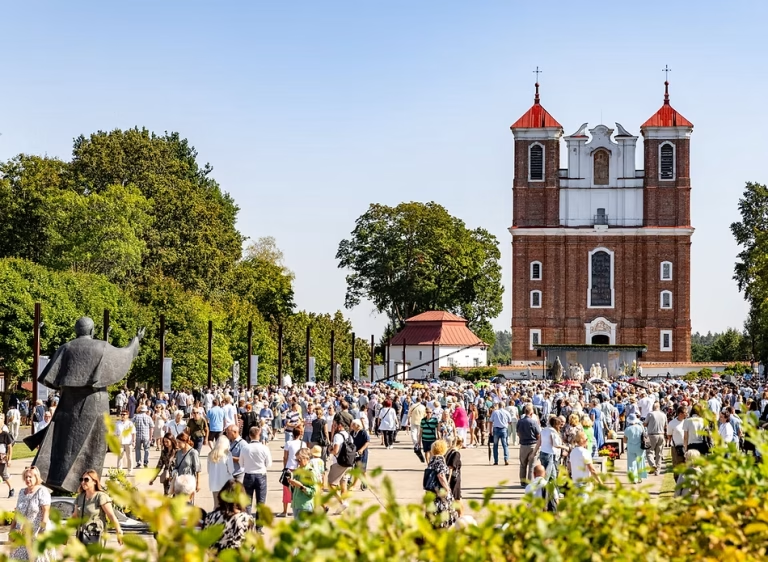
The proposal connects towns, sanctuaries and symbolic spaces through a route that invites both spiritual reflection and an encounter with the cultural diversity of Peru. Each section of the path is designed to be integrated in a respectful manner with the environment, prioritizing the care of the natural and cultural heritage.
The authorities and promoters of the project highlight that the route not only attracts pilgrims, but also travelers interested in getting to know Peru from a more authentic perspective, closer to the communities and their ways of life.
Sustainable development as the central axis of the project
One of the pillars of the Caminos Route of Pope Leo XIV is the promotion of local development. The initiative promotes the consumption of regional products, the strengthening of community enterprises and the training of residents in activities linked to sustainable tourism.
In this way, the economic benefits generated by the route remain in the regions themselves, contributing to improving the quality of life of families and promoting balanced and responsible growth.
Living culture and traditions that are maintained
Throughout the tour, visitors have the opportunity to learn about festivities, typical gastronomy, crafts and cultural expressions that have been transmitted from generation to generation. The route thus becomes a showcase to show the cultural wealth of the country and reinforce the communities' pride in their identity.
This cultural approach allows faith to dialogue with history, landscape and local customs, giving rise to a comprehensive experience that goes beyond the religious.
A tourism model with positive impact
The Paths of Pope Leo XIV Route is emerging as a model of responsible tourism that could be replicated in other areas of the country. Its inclusive and sustainable approach demonstrates that it is possible to unite spirituality, culture and economic development without losing sight of respect for the environment and people.
With this project, Peru reaffirms its commitment to tourism that generates value, protects its heritage and builds a future from its deepest roots.