Faith, history and spiritual tourism unite millions of travelers each year
Religious pilgrimages continue to grow around the world and millions of people continue to travel each year seeking experiences related to spirituality, culture and history. In Catholicism there are five places officially considered holy cities, destinations that have attracted believers, pilgrims and travelers interested in religious and cultural heritage for centuries.
Jerusalem, Rome, Santiago de Compostela, Caravaca de la Cruz and Santo Toribio de Liébana are part of this exclusive group of places recognized by the Catholic Church as centers of universal pilgrimage thanks to their enormous spiritual importance and the celebration of perpetual jubilees.
Beyond religion, these cities have also become great references for cultural tourism, spiritual tourism and travel experiences linked to historical heritage.
Every year they receive millions of visitors attracted by their relics, their traditions and the enormous emotional charge they transmit.
Santiago de Compostela continues to be one of the great symbols of pilgrimage
Among all of them, Santiago de Compostela occupies a special place in the world of pilgrimages.
Since the 9th century, the Galician city became one of the great spiritual centers of Europe after the discovery of the supposed tomb of the apostle Santiago. Since then, the Camino de Santiago has grown to become one of the most famous pilgrimage routes on the planet.
Thousands of pilgrims arrive every week at the Plaza del Obradoiro after traveling hundreds of kilometers on foot, by bicycle or even on horseback.
For many, the Camino no longer represents only a religious experience.
It has also become a form of active tourism, emotional well-being, digital disconnection and personal search.
The Cathedral of Santiago continues to be the great spiritual epicenter of this experience that mixes sport, culture, nature and spirituality.
Santo Toribio de Liébana keeps one of the greatest treasures of Christianity
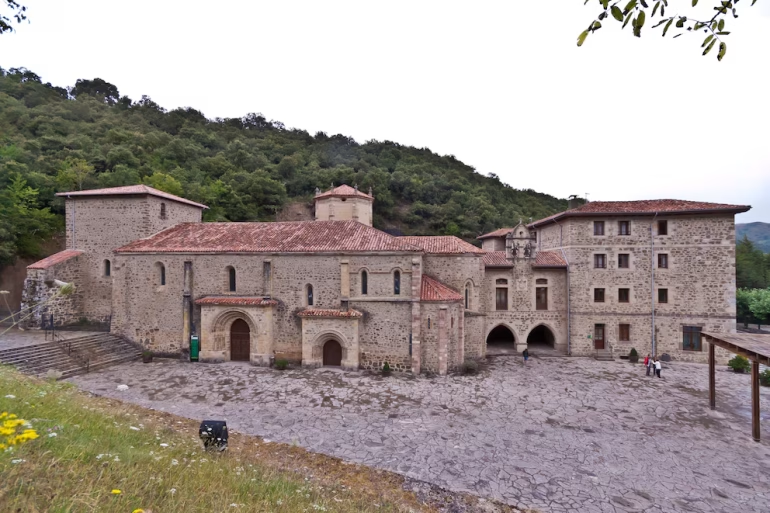
In Cantabria is another of the most surprising holy cities of Catholicism: Santo Toribio de Liébana.
Although it is not really a city but a monastery located in the municipality of Camaleño, this place has a unique privilege granted by the Church.
There is preserved what is considered the largest fragment of the Lignum Crucis in the world, that is, a piece of the cross where Jesus Christ would have been crucified.
The monastery celebrates the Lebaniego Jubilee Year every time April 16 falls on a Sunday, becoming one of the great centers of spiritual pilgrimage in Spain.
In recent years, the Lebaniego Trail has gained enormous popularity among lovers of hiking, nature and rural tourism thanks to its spectacular mountain landscapes and the tranquility of the Liébana region.
Caravaca de la Cruz consolidates itself as an international destination
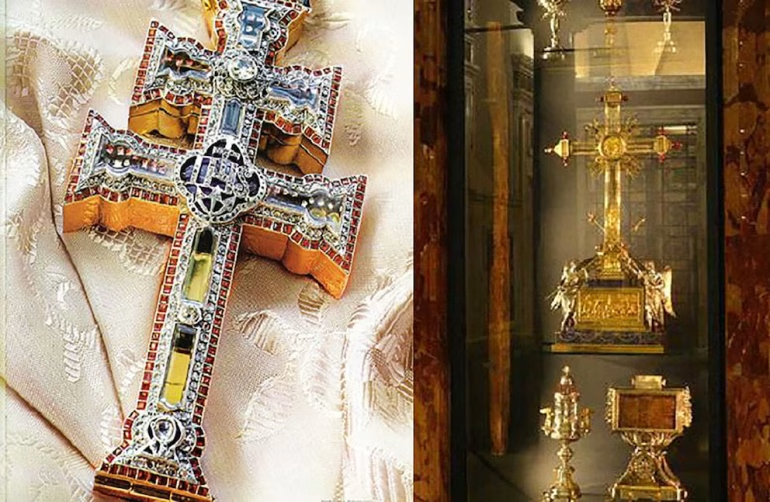
Another of the Spanish holy cities is Caravaca de la Cruz, located in the Region of Murcia.
This town received the privilege of the Perpetual Jubilee and preserves the famous True Cross, a relic linked to the crucifixion of Christ.
In recent years, Caravaca has experienced strong tourism growth thanks to the rise of religious tourism and pilgrimage routes.
Many travelers also discover a city with important historical heritage, traditional gastronomy and a growing offer of cultural tourism and sustainable tourism.
The Camino de la Vera Cruz connects different territories in the Spanish southeast and attracts more and more pilgrims interested in experiences away from large crowds.
Rome and Jerusalem remain the heart of Christianity
Along with the Spanish cities, the two great historical epicenters of Christianity appear: Rome and Jerusalem.
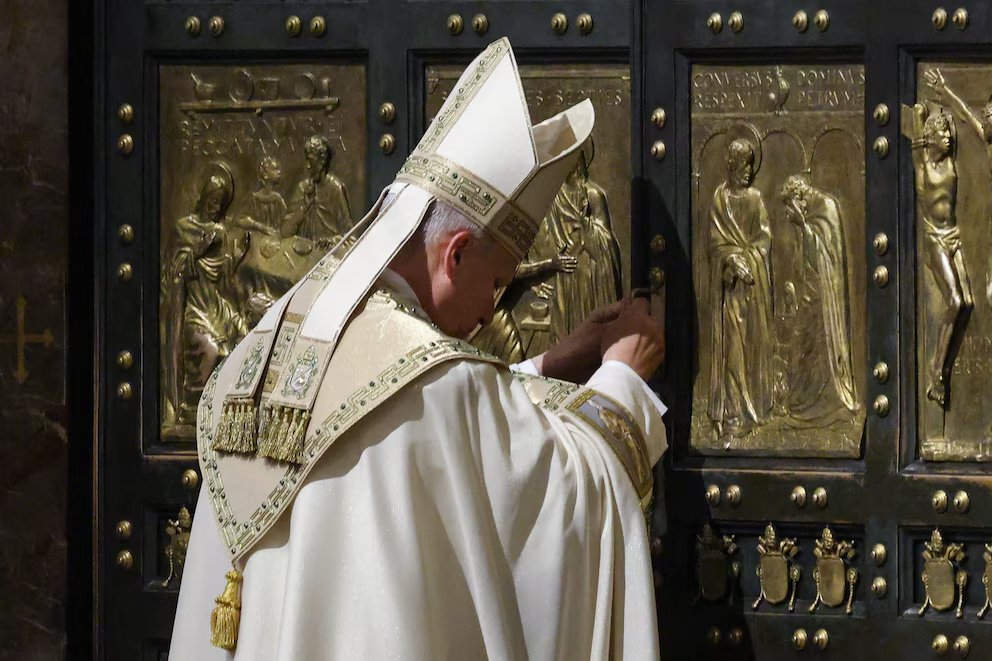
Rome remains the spiritual center of the Catholic Church and the seat of the Vatican. Millions of people visit St. Peter's Basilica, Vatican Square and the great papal basilicas every year seeking to live an experience of faith and cultural heritage.
In addition to the religious component, Rome has established itself as one of the most important tourist destinations in the world thanks to its history, art, gastronomy and architecture.
For its part, Jerusalem represents one of the most sacred places for Christians, Jews and Muslims.
The city concentrates some of the most important spaces linked to the life of Jesus, such as the Holy Sepulcher, the Mount of Olives or the Via Dolorosa.
Every year thousands of pilgrims walk its streets looking for a unique spiritual connection.
Spiritual tourism continues to grow in 2026
Tourism experts highlight that pilgrimages and religious tourism are experiencing a moment of great international growth.
More and more people are searching for trips related to:
- welfare,
- spirituality,
- culture,
- historical heritage,
- nature,
- and transformative experiences.
The Camino de Santiago continues to lead this phenomenon in Europe, but other routes and holy cities are also significantly increasing their number of visitors.
Many travelers no longer make these pilgrimages solely for religious reasons.
Disconnection, hiking, cultural tourism and the desire to live authentic experiences also drive this growth.
Holy cities continue to connect past and present
Beyond personal beliefs, these cities remain places where history, culture and spirituality blend in a unique way.
Its paths, monasteries, churches and traditions continue to thrill millions of people around the world.
Because in the end, whether in Santiago, Rome, Jerusalem, Caravaca or Santo Toribio, many travelers end up looking for something similar:
silence, meaning and an experience that makes them come back different.