Did you know that Puerto Rico has its own roads dedicated to the Apostle Santiago? On the Caribbean island, a route that connects San Juan with Fajardo, about 120 kilometers long, and the Camino de Santiago de El Yunque, promoted in the eastern area, coexist. The inauguration of a university chair on November 10, 2026 once again puts the spotlight on this unique tradition.
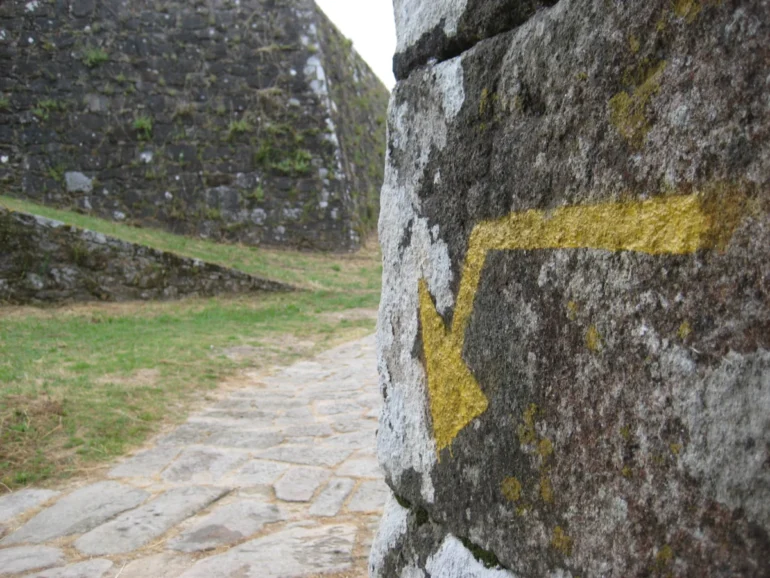
The yellow arrows, the Galician hostels and the arrival at the Plaza del Obradoiro are the best-known images of the Jacobean pilgrimage. However, devotion to Santiago traveled much further than European roads. In Puerto Rico it has given rise to tours, popular festivals and research projects that deserve to be known for themselves.
A route between San Juan, El Yunque and Fajardo
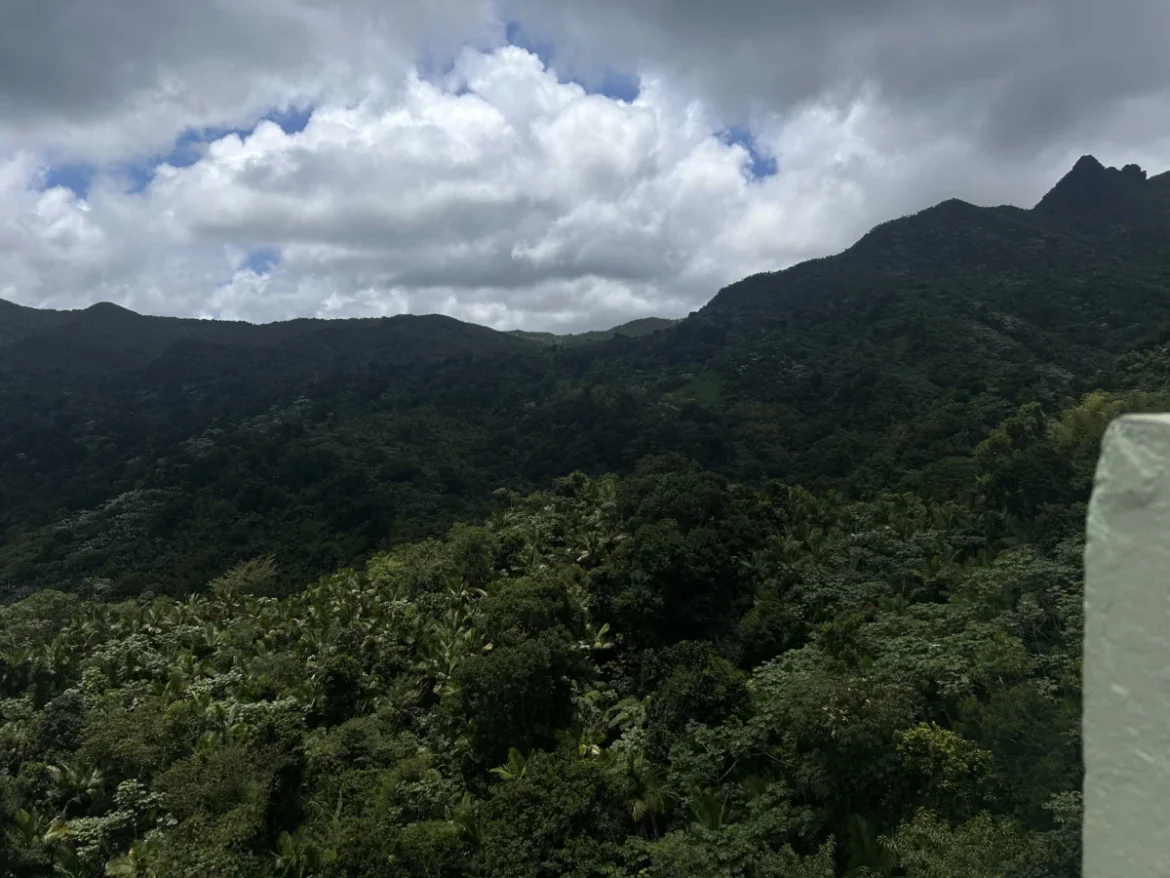
One of the recent initiatives proposes connecting Old San Juan with Fajardo, on the eastern end of the island. According to the information released on the occasion of the inauguration of the chair, the route is around 120 kilometers, crosses seven municipalities and is related to the natural environment of El Yunque. A route published on Wikiloc in March 2026 registers approximately 116 kilometers, a difference that makes it advisable to speak of an indicative distance.
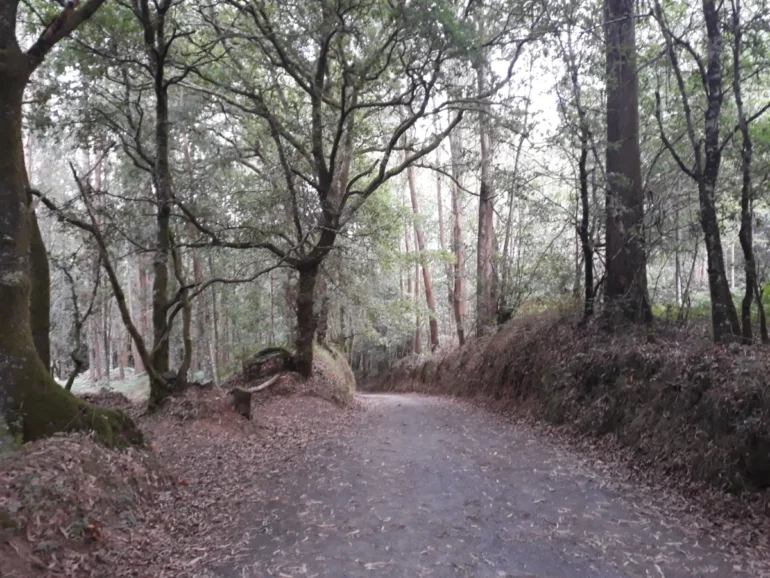
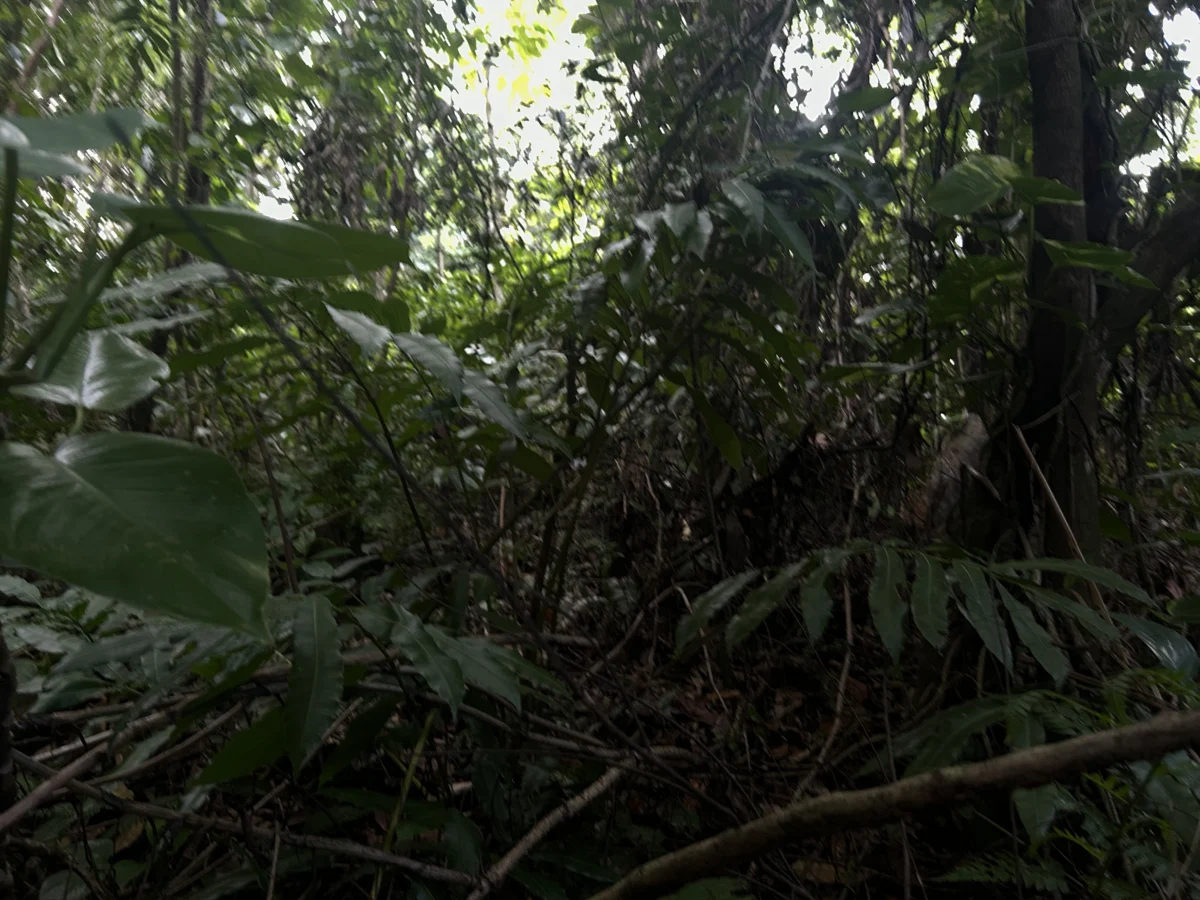
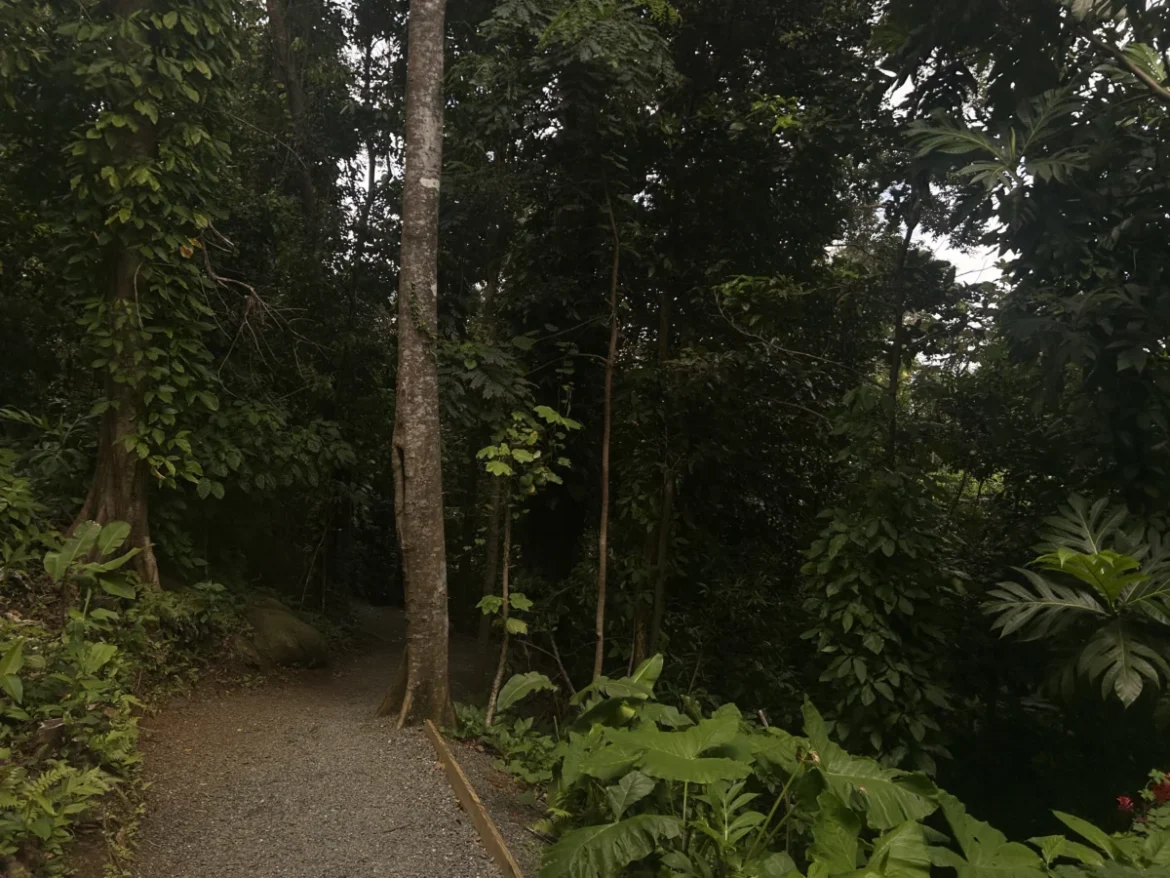
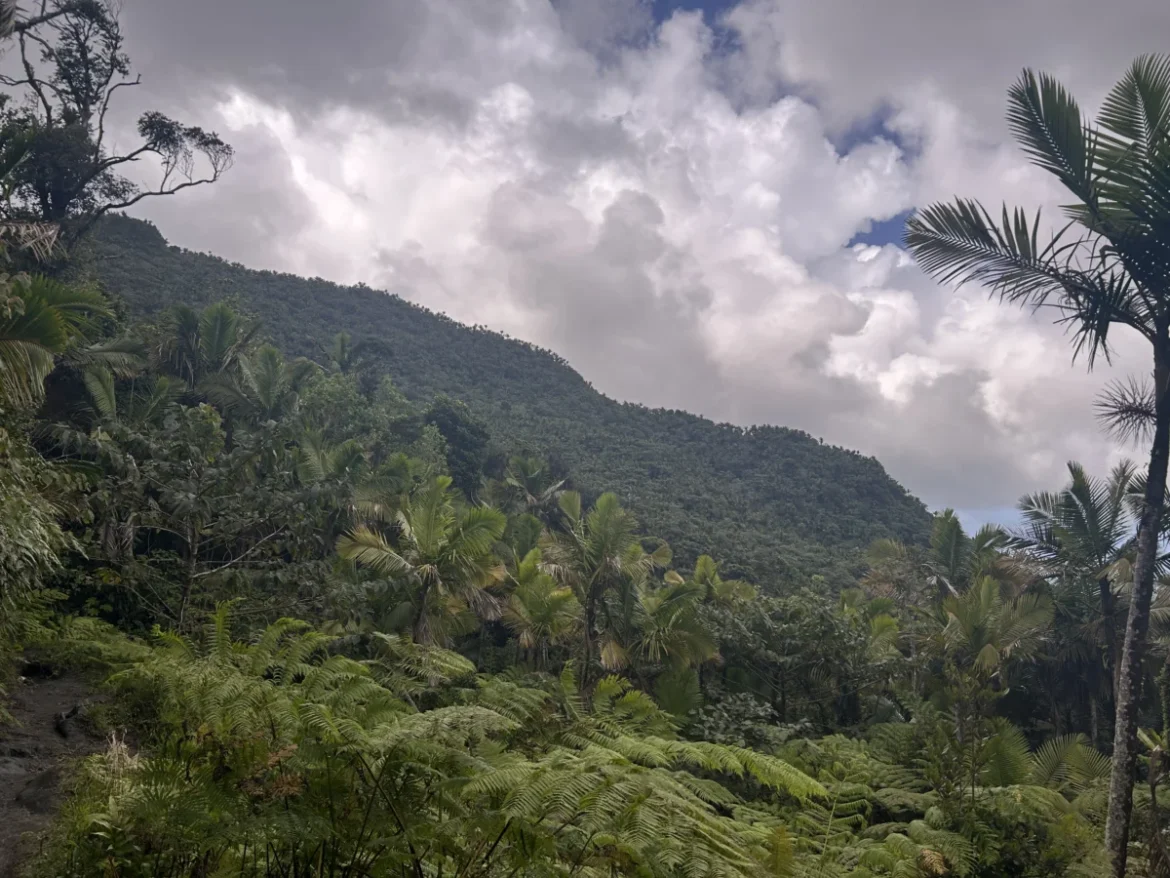
The landscape changes radically compared to Galicia: tropical forest, humidity, coast and urban centers of the Caribbean. The objective of its promoters is to recover and give visibility to the historical ties of Puerto Rico with the Apostle. Institutional recognition of the itinerary remains an aspiration, not a fait accompli.
The Camino de Santiago de El Yunque has its own history
The island also has another experience that should be distinguished from the San Juan-Fajardo route. This is the Camino de Santiago de El Yunque, a project promoted since 2014 within the diocese of Fajardo-Humacao, inspired by the pilgrimage experience to Compostela of Bishop Eusebio Ramos Morales.
According to information from El Vocero collected by the Spanish Federation of Associations of Friends of the Caminos to Santiago, this itinerary includes about 126 kilometers and seven stages, distributed in two branches that converge at the Santiago Apóstol Sanctuary in Luquillo. One starts from the area of Loíza and the other from Humacao.
The proposal links chapels, parishes and places of worship. Its religious nature does not prevent it from also allowing you to discover local landscapes and communities. As with any less-crowded route, those who plan to travel it must previously confirm the updated route, the state of the roads and the available services.
In Loíza, Santiago is also celebrated
The Apostle's presence in Puerto Rico goes beyond the trails. Loíza preserves some well-known festivals of Santiago Apóstol, celebrated around July 25. The processions and local cultural expressions show how the devotion was integrated into a Caribbean identity of its own.
In Fajardo, Santiago Apóstol also appears as a municipal patron, according to the official directory of the Government of Puerto Rico. They are examples of a historical relationship that is not explained solely by pilgrimage tourism, but by the religious and cultural life of the communities.
That is why it is especially interesting to study these paths without presenting them as simple reproductions of the French Way. Each one was born in a different context and responds to specific local initiatives.
A university chair to investigate the Jacobean footprint
On November 10, 2026, the University of Puerto Rico in Bayamón inaugurated a chair dedicated to the Camino de Santiago. Its owner is the Galician lawyer and researcher José Ricardo Pardo Gato, linked for years to the study of Compostela documentation.
The initiative plans to organize conferences, courses, publications and other academic activities. Its mission is to provide rigorous research on the routes and historical references to the Apostle on the island, in addition to strengthening cultural exchanges with Spain.
During the inauguration, the previous work of individuals and associations was highlighted. The project also aspires for different Jacobean institutions to study the recognition of the historical tradition of these itineraries. Investigating its origin, documenting the routes and clarifying its evolution will be important steps for that purpose.
The news comes when Galicia prepares the Xacobeo 2027, an occasion to also look towards the Jacobean communities in America. The Puerto Rican experience remembers that the history of Santiago is transmitted through travel, celebrations, research and cultural relationships that cross oceans.
The Camino de Santiago has its best-known destination in Compostela, but the memory of the Apostle has also taken root in the Caribbean. Puerto Rico offers surprising proof of this.
Sources: The Voice of Galicia; Spanish Federation of Associations of Friends of the Caminos to Santiago; Government of Puerto Rico.
Images: Photo: EF5, Wikimedia Commons, CC0.