There are pilgrims who keep their memories on a credential and others who turn them into art. Manuel Quintana Martelo has brought his Jacobean experiences to the pages of Views of the Road, a work that the Ministry of Culture distinguished on November 12 with second prize in the art book category of the Best Published Book Awards of 2025.
The recognition corresponds to the work of Teófilo Editions, identified as Teofilo Comunicación in the official ruling, and places a publication dedicated to the Camino de Santiago among the editorial proposals awarded in Spain. It is not a painting award, but a distinction that values how the artistic work has been converted into a book.
The jury highlighted the treatment of the watercolors, the color and the ability of the edition to convey to the reader the vitality of the Jacobean route.
Thirteen pilgrimages turned into images
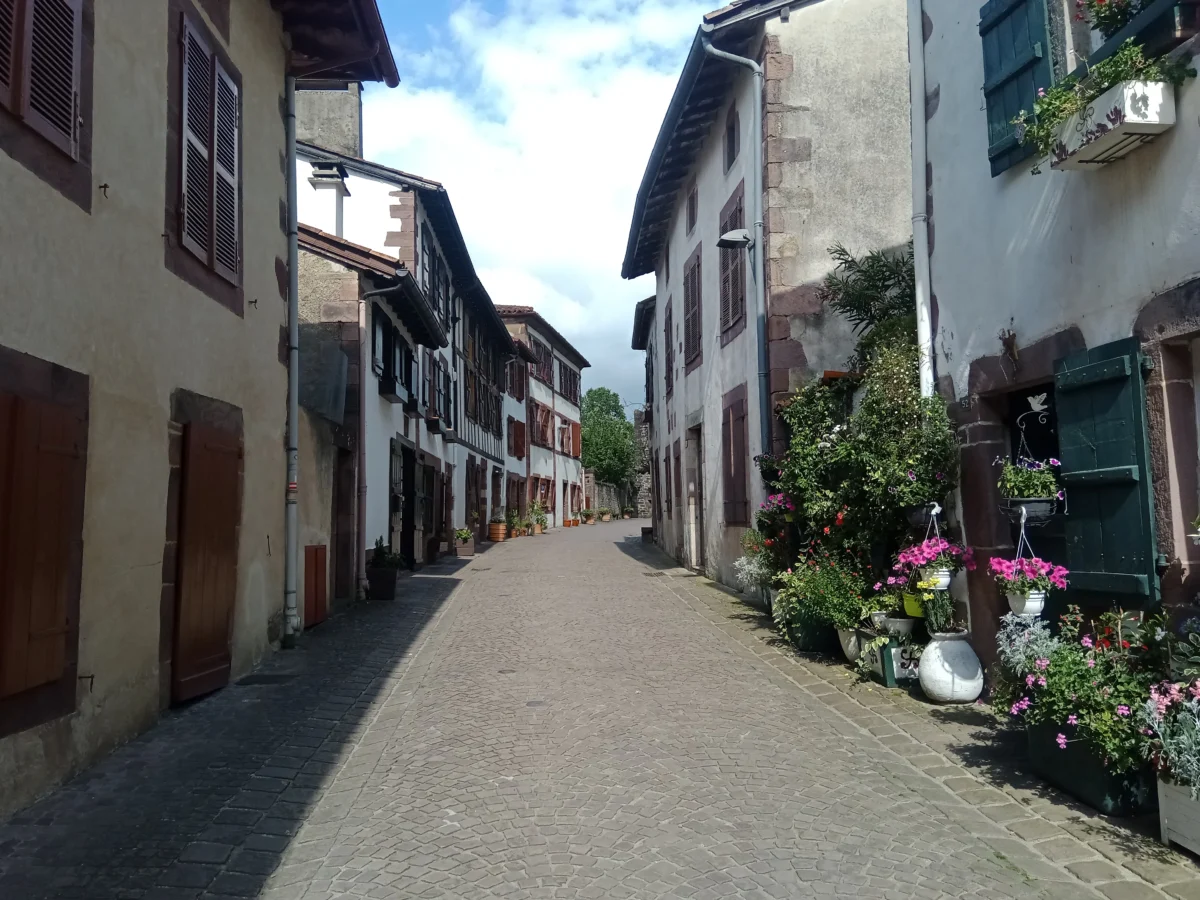
Since 2010, Quintana Martelo has made thirteen pilgrimages that have fueled this project. The itinerary that covers the volume starts from Saint-Jean-Pied-de-Port and follows the French Way to Santiago de Compostela.
The artist has explained that during his tours he stopped at places that aroused his curiosity. Photographs and notes allowed him to preserve impressions that he later transferred to his work. In 2024 he decided to give more intensity to this set of accumulated experiences, many of them on the bicycle.
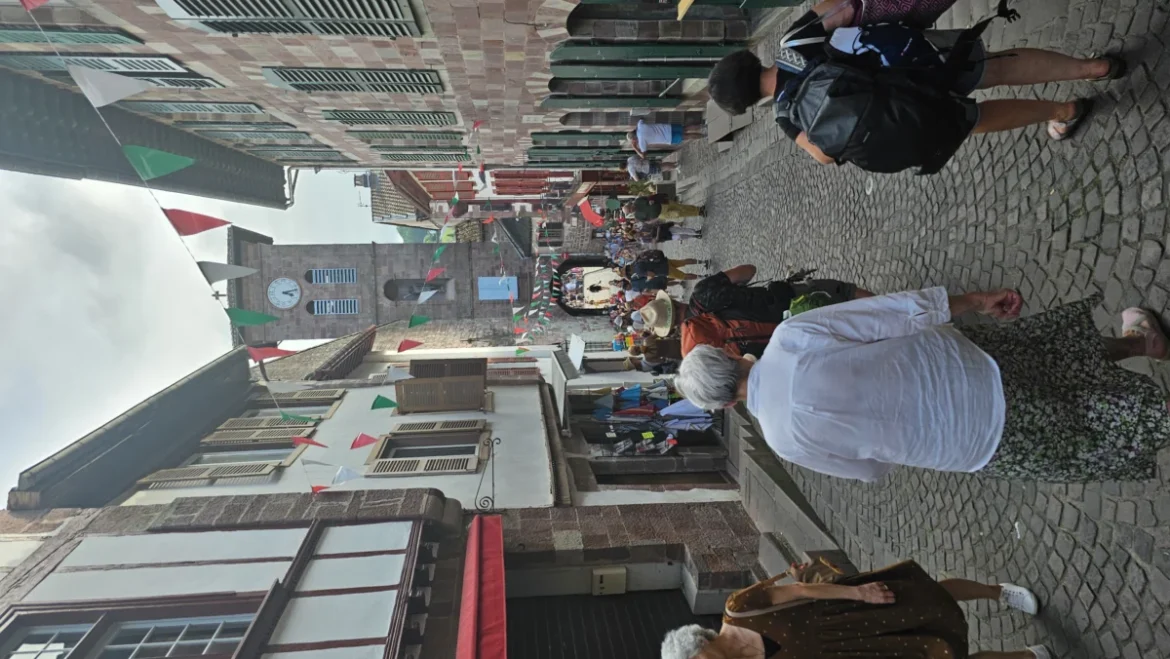
The result invites you to travel the Camino from a different perspective than that of a stage guide. Here the distance between two locations does not matter as much as what happens when the traveler stops to observe them. The pilgrim's memory becomes artistic material.
A book that is also a piece of craftsmanship
The preparation of the volume has been a project shared between the artist and the editor José Luis Teófilo Piñeiro. As the latter explained to La Voz de Galicia, the large-format edition required careful printing and manual binding.
The publication also incorporates original interventions by the painter. The editor detailed that a thousand copies were prepared with three drawings made individually by Quintana Martelo in each one. The process involved some three thousand artistic interventions and about a year and a half of editorial work.
The work also brings together written contributions from people related to different cultural and social fields. Among them are Roberto Verino, Moncho Borrajo and Julia Baird. His reflections accompany the visual tour and show that the Jacobean experience allows for very different interpretations.
From Compostela to the international book fairs
The Ministry of Culture has evaluated 137 publications divided into five modalities. The awards have been held since 1981 and lack financial resources, but they offer publishers an important professional projection.
The distinguished works will be shown at Liber and at the Frankfurt and Leipzig fairs. In the latter they will be part of an international selection dedicated to editorial design. The copies will then go to the German Museum of Books and Writing in Leipzig.
For the Camino de Santiago, this dissemination represents an opportunity to reach readers who may have never traveled its stages. The book presents the route as a source of contemporary creation, beyond its historical and religious dimension.
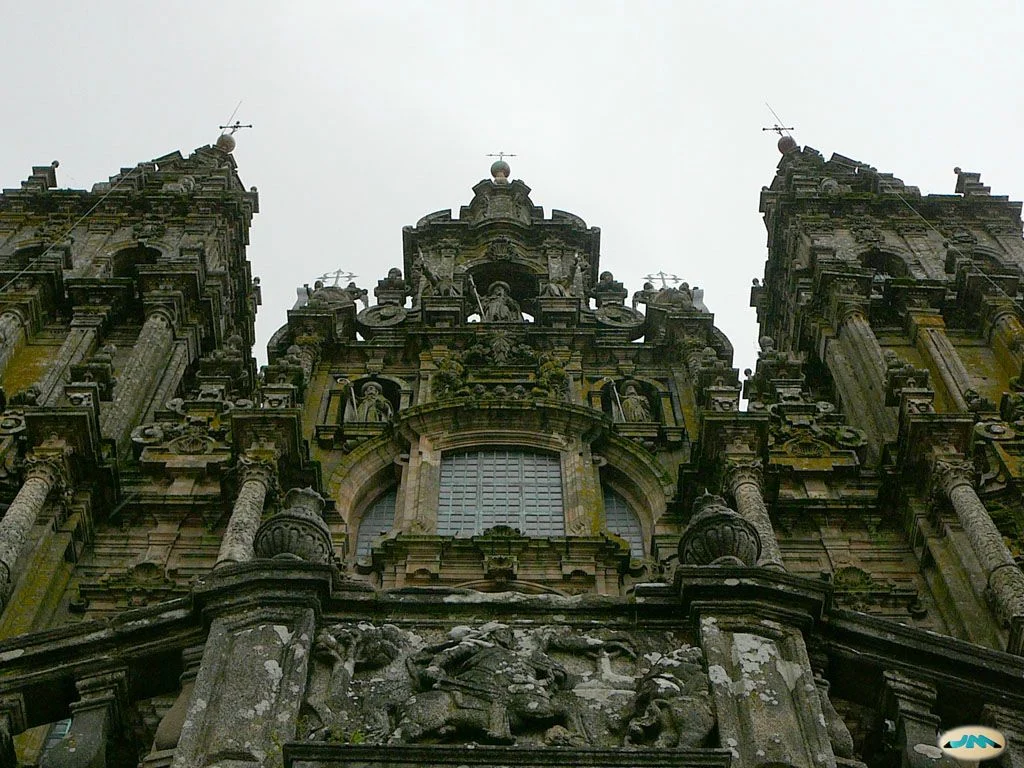
Another way of looking at the Camino
On the eve of Xacobeo 2027, the recognition reminds us that the pilgrimage can also generate works that last after arrival in Compostela. Landscapes change with the seasons, and each return to a known route offers the traveler new details.
Quintana Martelo has found a way to work in that repetition. His book allows us to share the experience of returning to the Camino and discovering that the same itinerary is never seen in exactly the same way.
Miradas do Camiño reminds us that pilgrimage is also learning to look.
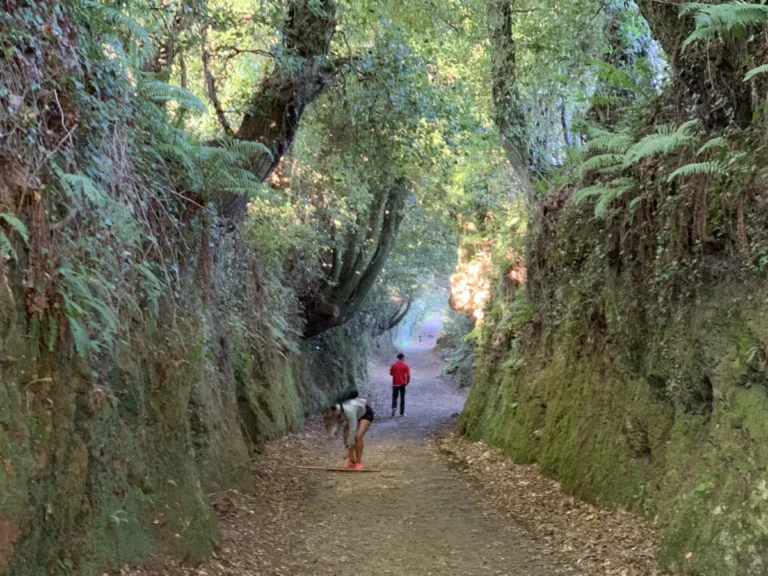
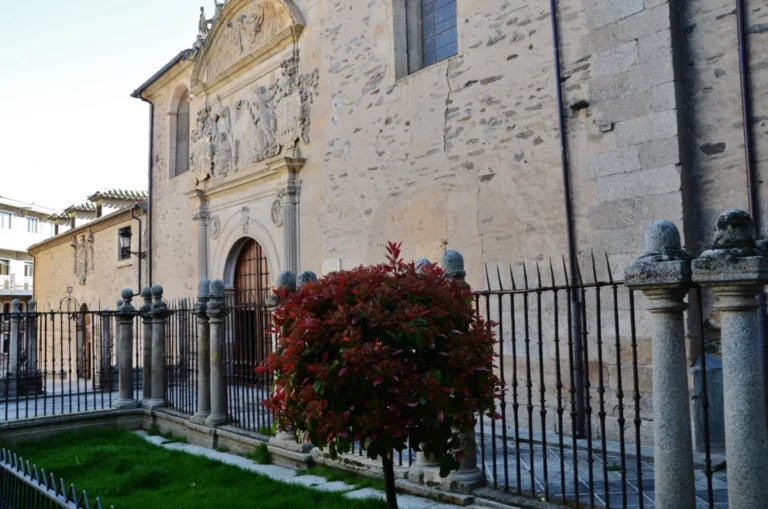
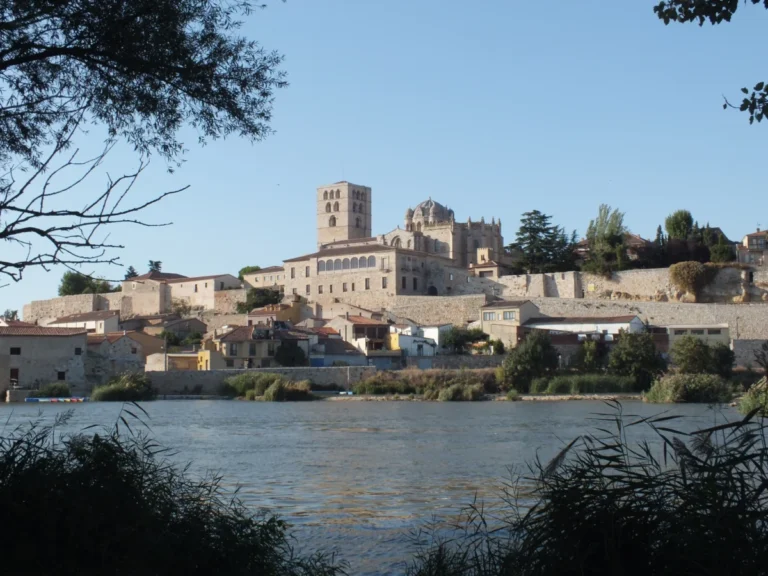
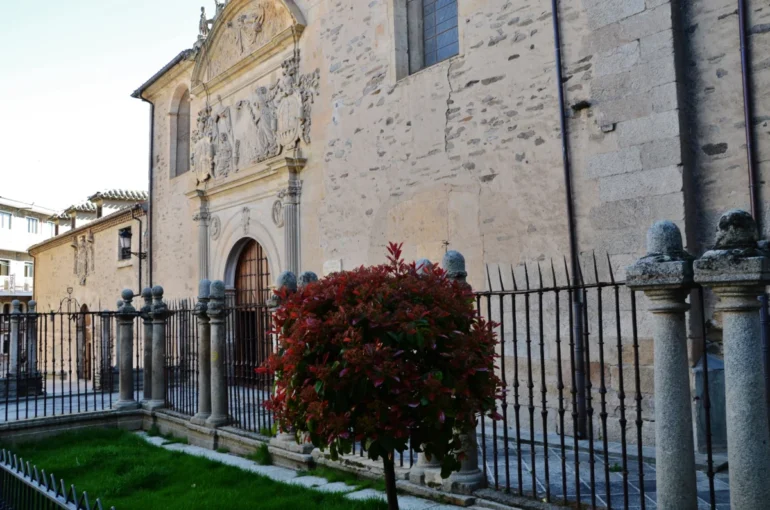
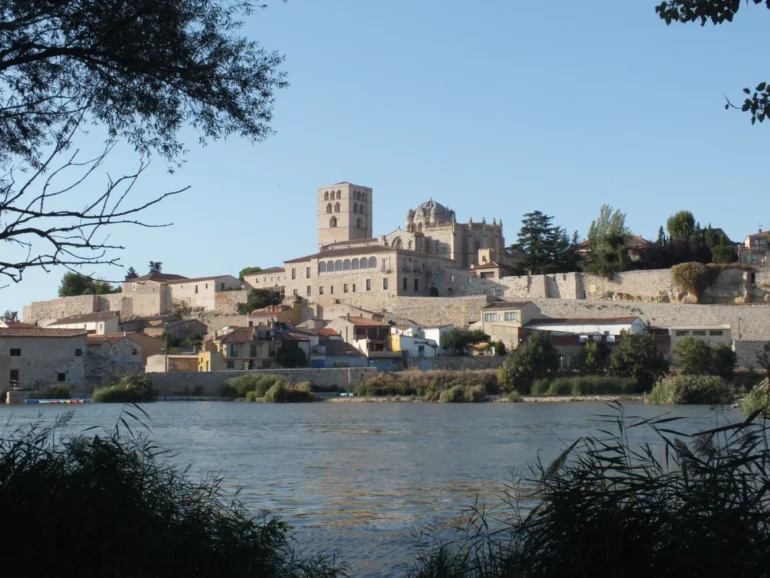
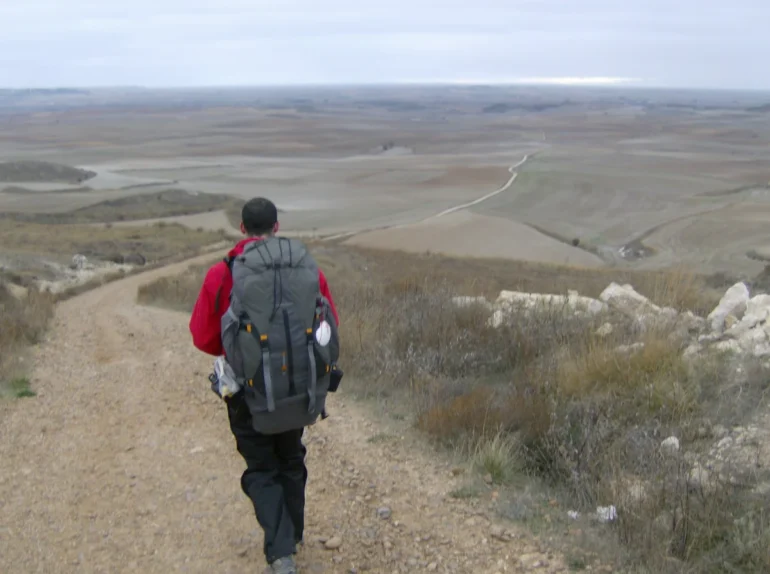
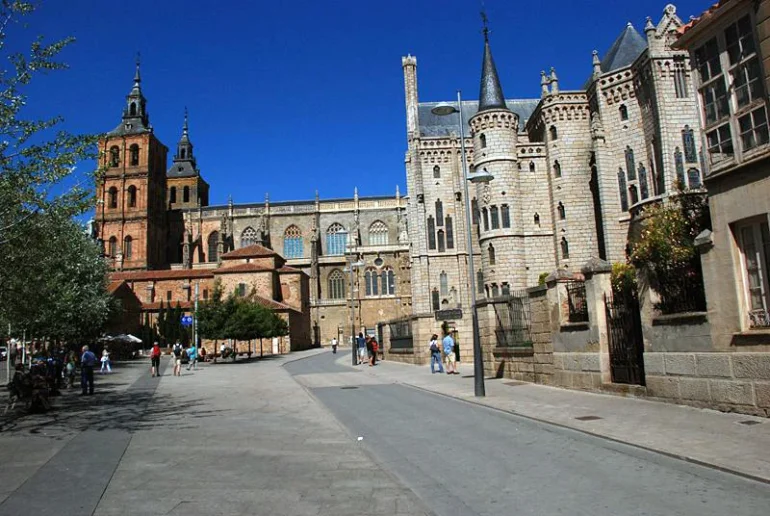
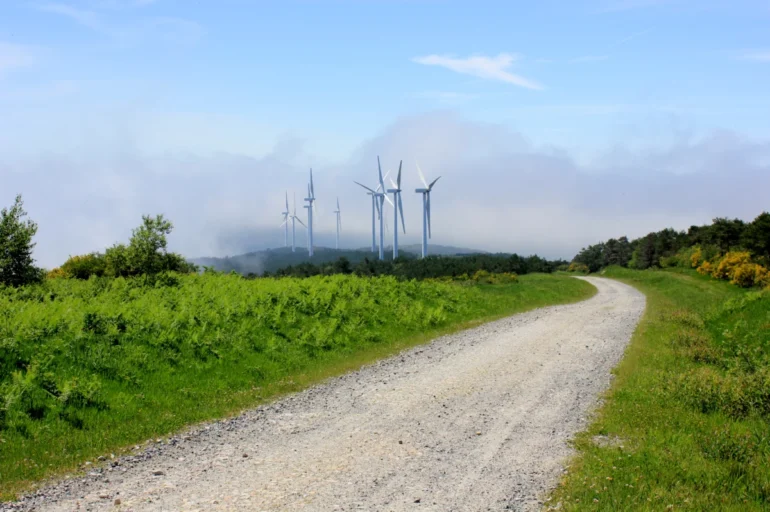
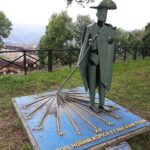
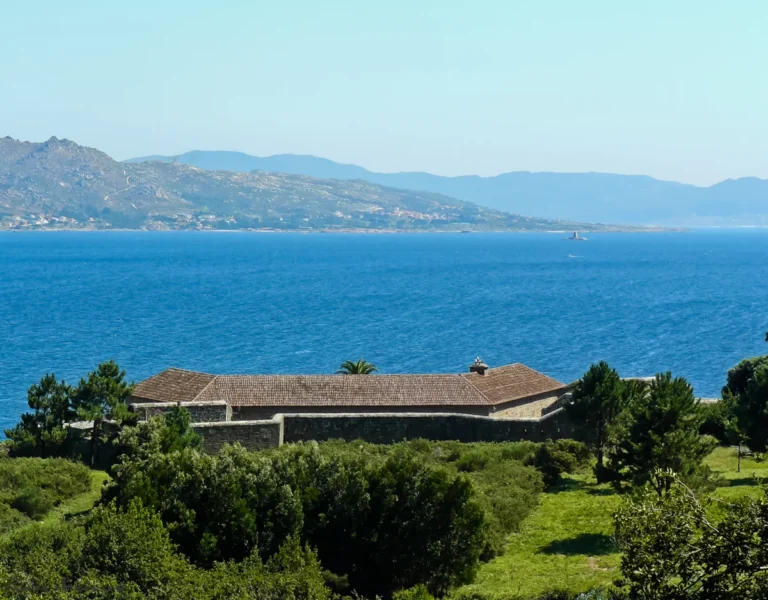
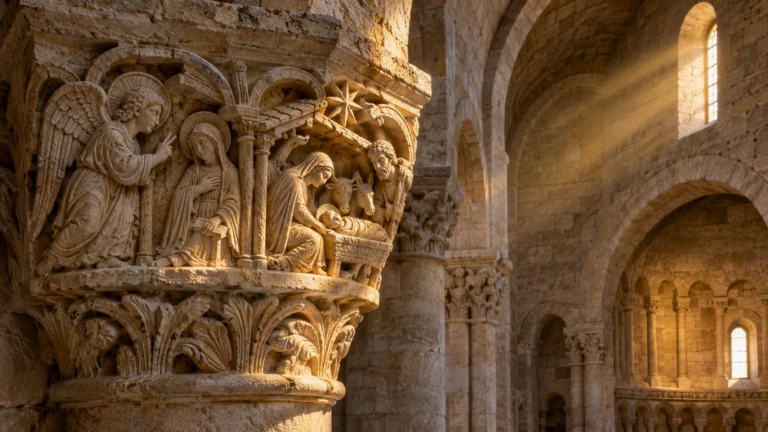
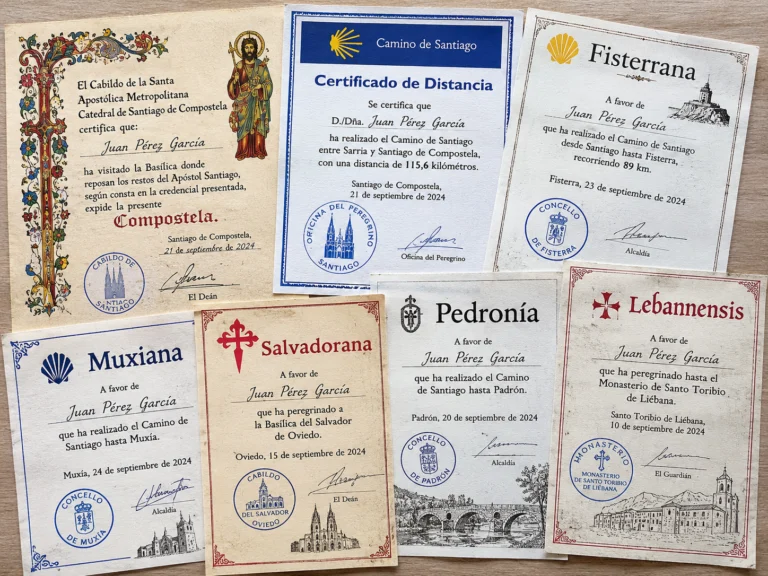
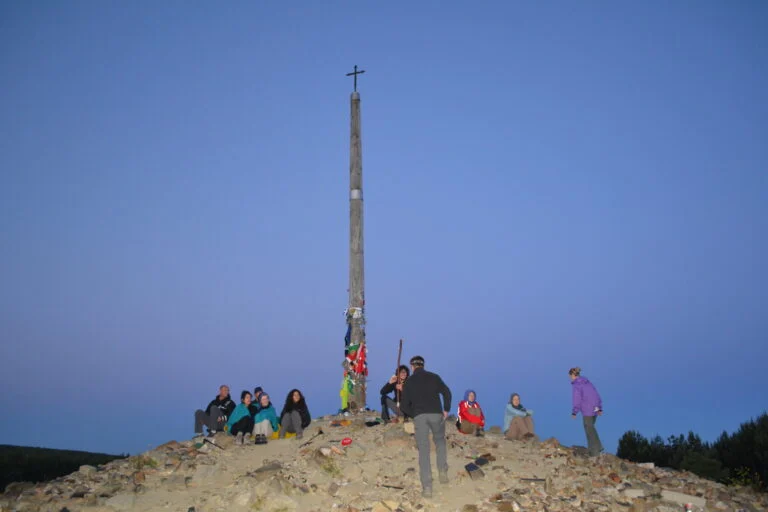
Featured image: Rémih · CC BY-SA 4.0 · Wikimedia Commons. Illustrative archive photographs, not reproductions of the book.
Sources: Ministry of Culture; The Voice of Galicia; Santiago Diary.
Images: Photo: Othello95 · CC BY 4.0 · Wikimedia Commons | Photo: Juan Mejuto · CC BY-SA 2.0 · Wikimedia Commons.