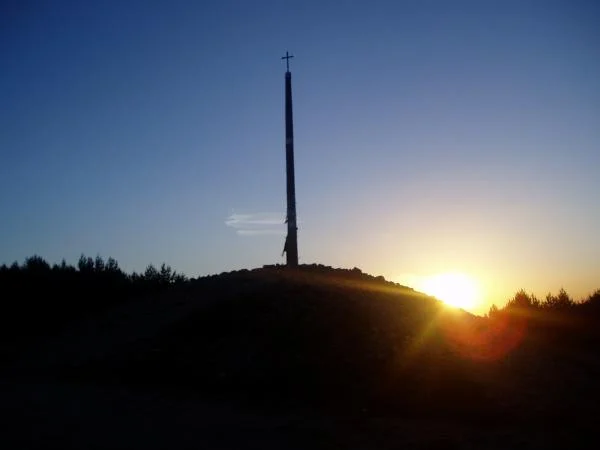
Learn about the meaning of the crosses on the Camino de Santiago, the stone crosses and the pilgrim tradition of the Ferro Cross.
A symbol that has been with us for centuries
The crosses are part of the Jacobean landscape and the religious heritage of the territories covered by the Camino de Santiago. Some are located next to churches and hermitages; others, at crossroads, town entrances or old places of prayer. Not all of them were built specifically to guide pilgrims: many belong to local history and over time acquired a special relationship with those who travel along those routes.
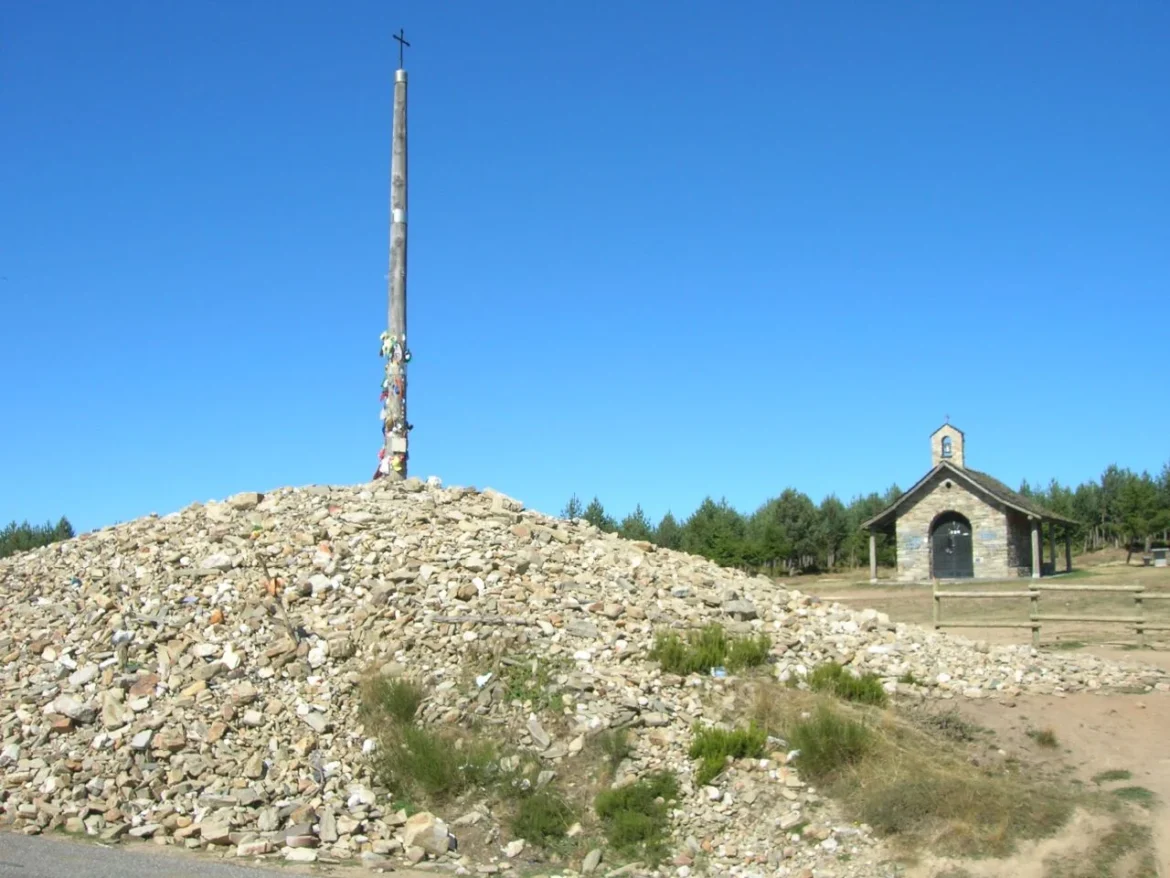
The Cruz de Ferro, in the mountains of León
One of the best-known enclaves of the French Way is Cruz de Ferro, located around the port of Foncebadón, between Maragatería and Bierzo. It is recognized by a simple cross raised on a long post and a large pile of stones placed at its feet. Its image contrasts with cathedrals and great temples: it does not need a monumental building to become a place of meeting, pause and memory.
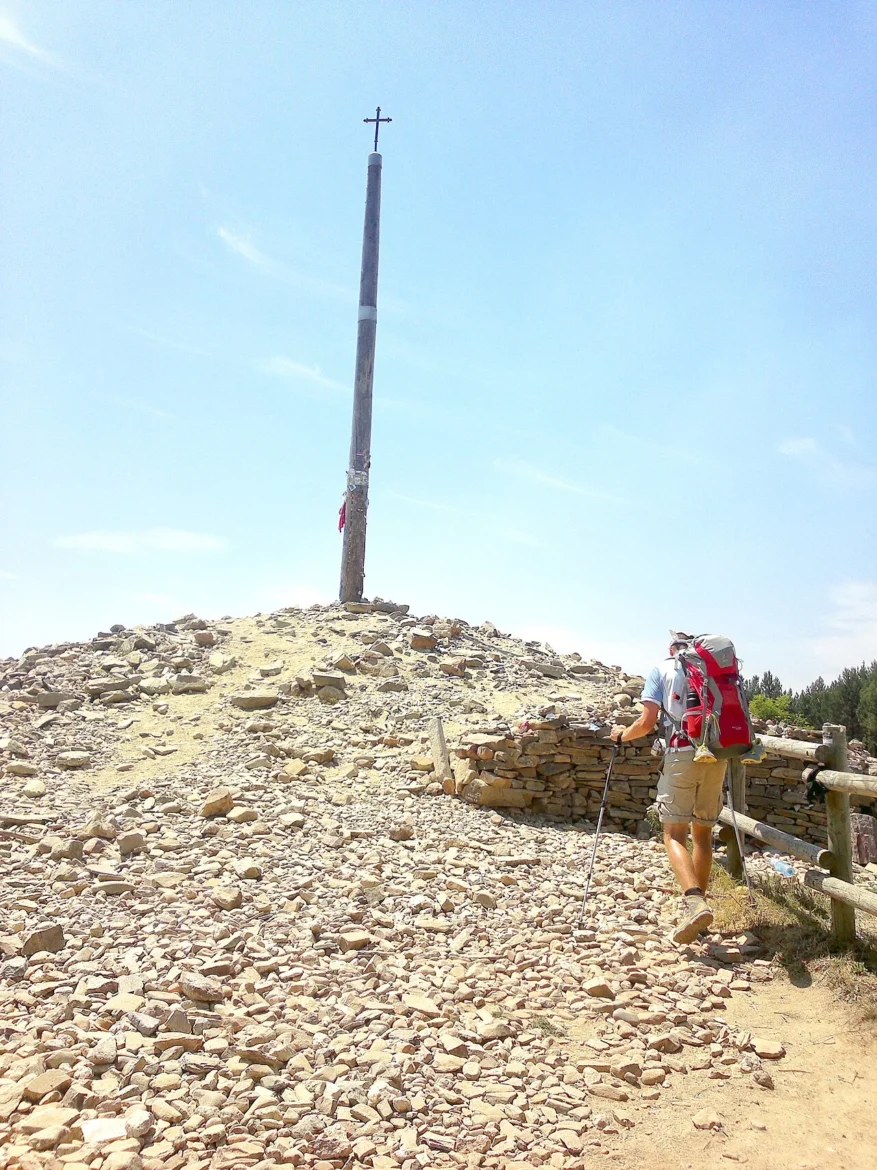
Why pilgrims leave a stone
Many walkers deposit a small stone next to the Cruz de Ferro. For some it has a religious meaning; For others it represents a worry, a memory or a burden that they want to leave behind. There is no single interpretation valid for all pilgrims, and custom is not an obligation. The exact historical explanation of some gestures associated with the place is the subject of different stories and traditions: it is important to distinguish these narratives from what can be safely documented.
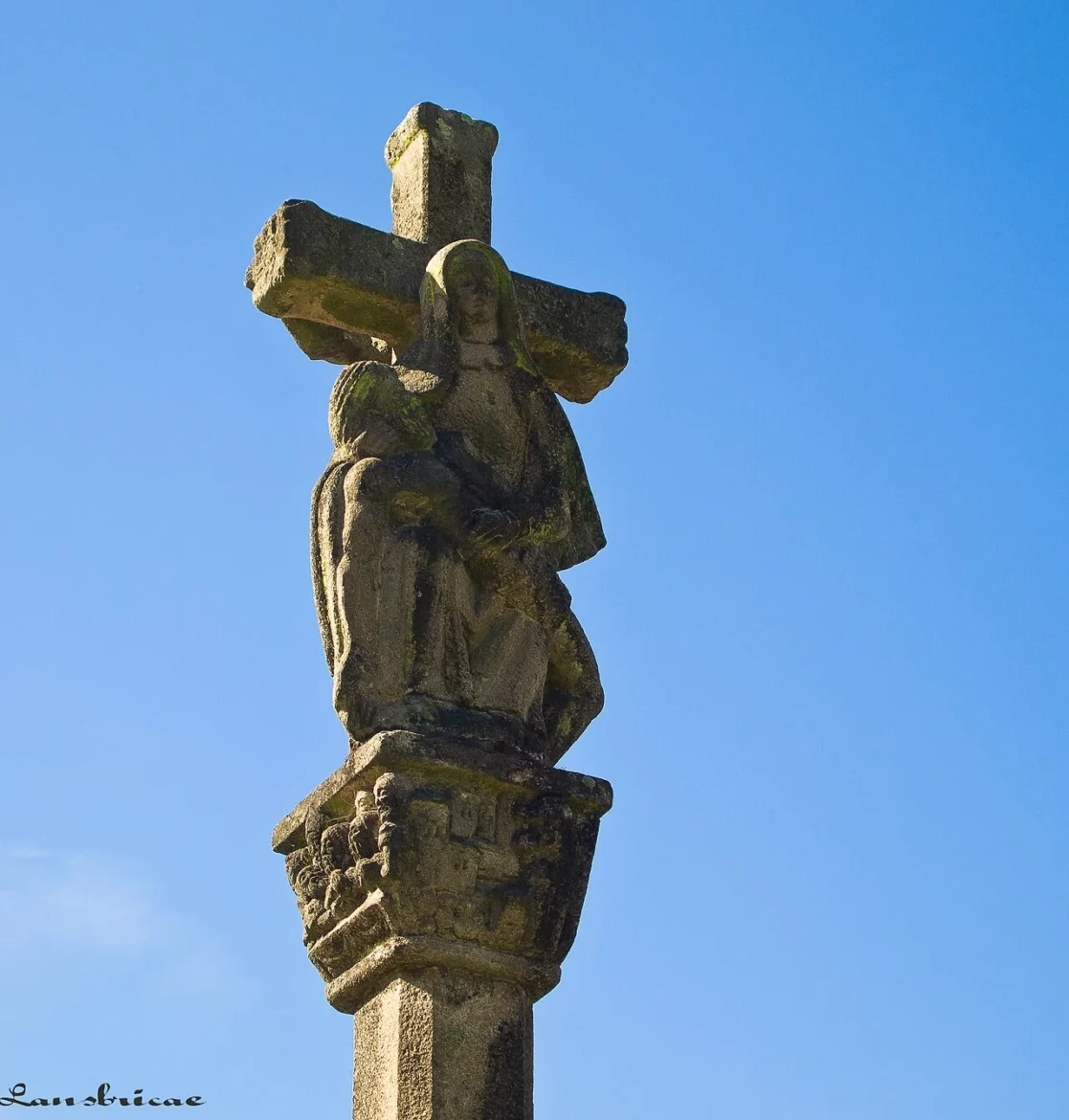
Cruceiros, ordeals and crosses in the territory
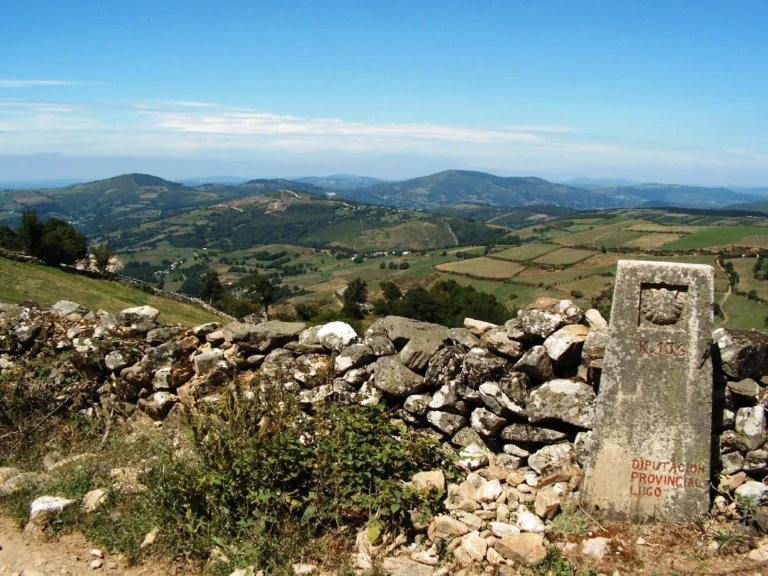
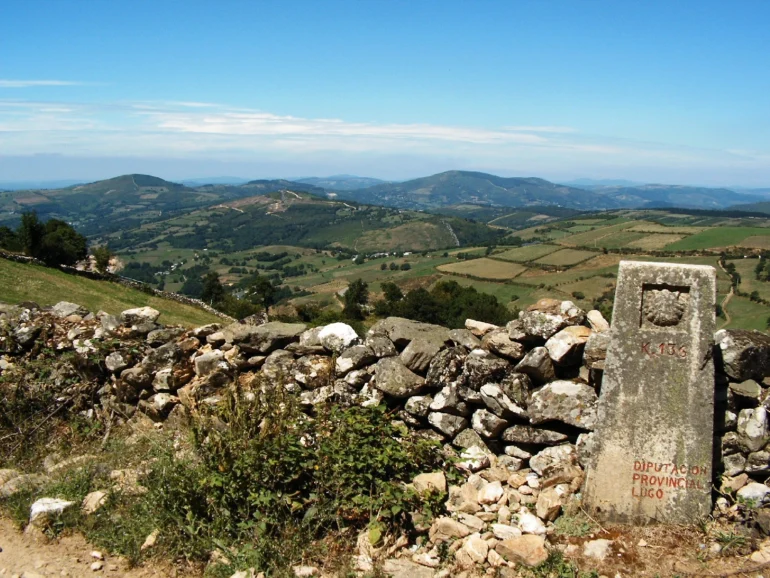
In Galicia, stone crosses are characteristic, present in squares, atriums, roads and crossroads. They can incorporate figures of Christ, the Virgin and specific decorative elements. His study also talks about community life, local devotions and stonemasonry trades. In other Jacobean sections we find calvaries, small carved crosses or commemorative monuments that have become part of the memory of the Camino.
Respect for places and others
When you visit the Cruz de Ferro or any cross, avoid moving historical elements, writing on the stone, climbing on the sculptures or leaving objects that could deteriorate the environment. If you decide to deposit a stone, do so without removing it from heritage walls and without adding waste. It is important that the tradition continues to be compatible with the conservation of the landscape and with respect for those who prefer to stop in silence.
The landscape also has memory
A cross next to a path can remember a popular devotion, an ancient itinerary or a local community initiative. That is why it is risky to attribute the same date or purpose to all the crosses on the Camino. The inscriptions, materials and parish or municipal documentation allow us to know, when data exists, its true history. In certain places, current elements replace previous crosses damaged by time or climate.
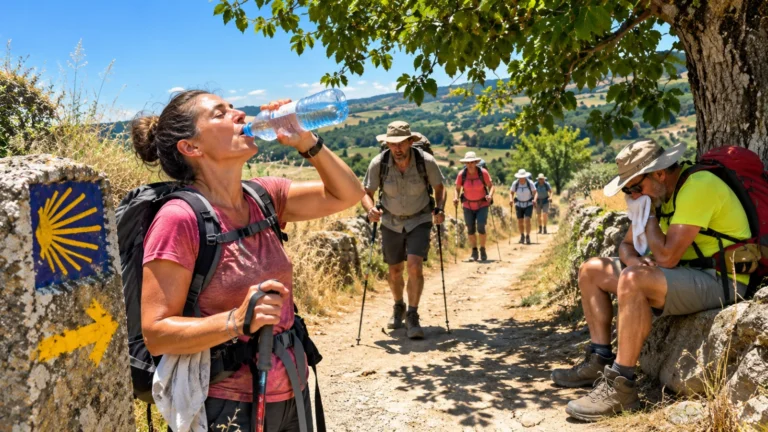
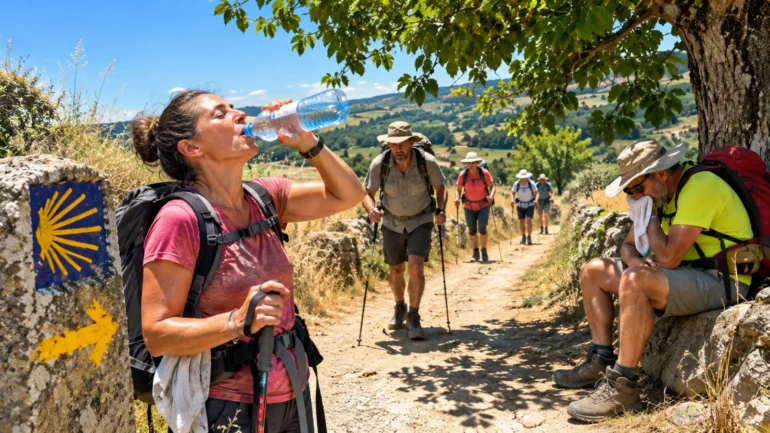
When walking through Galicia, Navarra, Castilla y León or Cantabria, pilgrims find different ways to represent this symbol. Some are monumental; others, discreet and almost hidden. Photographing without touching, stopping to read the plaques and asking about the tradition of the place is a simple way to discover a heritage that is usually left out of quick visits.
Sources: Spanish Federation of Associations of Friends of the Camino de Santiago; Wikimedia Commons, Cruz de Ferro; Camino de Santiago, Xunta de Galicia.
Images: Photography and license: Wikimedia Commons.