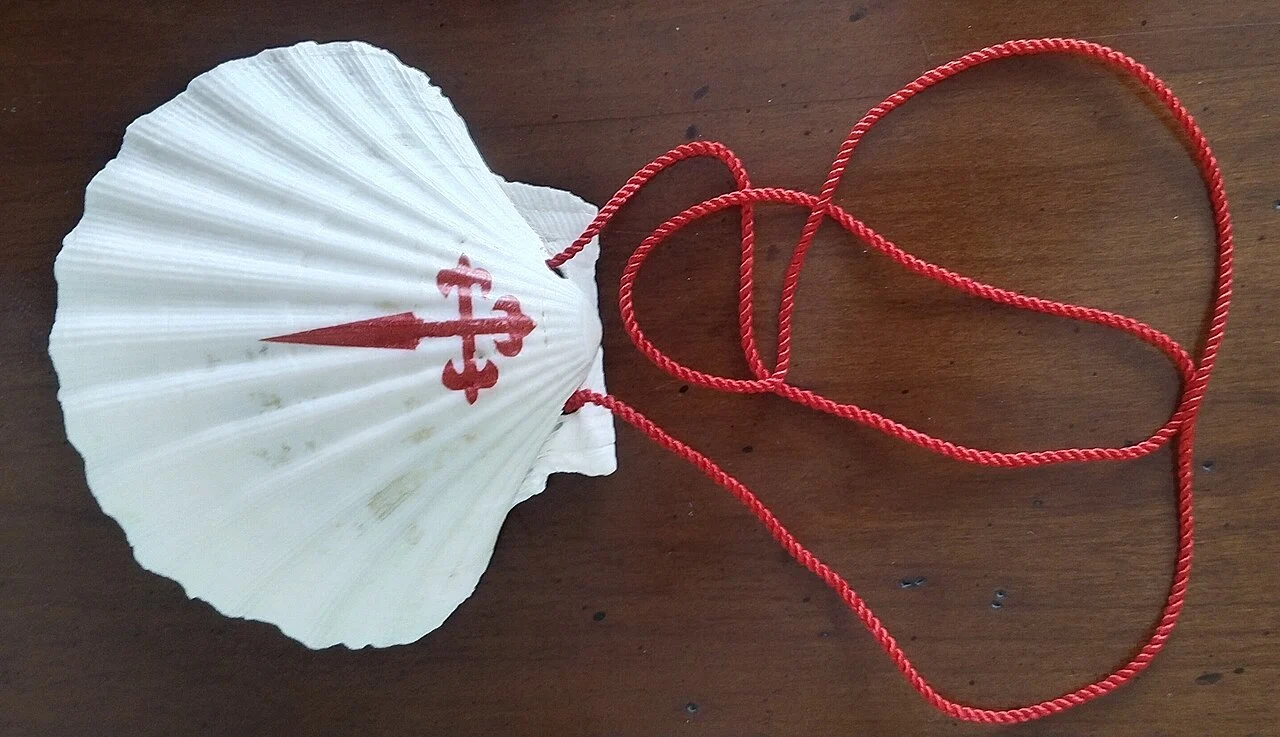
From medieval scallops to current signs: learn why the shell identifies the pilgrims of Santiago.
Why a shell identifies the pilgrim
The scallop is one of the oldest and most recognizable emblems of the pilgrimage to Santiago de Compostela. In medieval tradition it was especially associated with those returning from visiting the apostle's tomb. The shells could be purchased in Compostela and accompanied the traveler as a souvenir of their pilgrimage. It is easy to recognize its silhouette: a striated surface, with converging ribs, converted over time into the image of a journey shared by people from very different places.
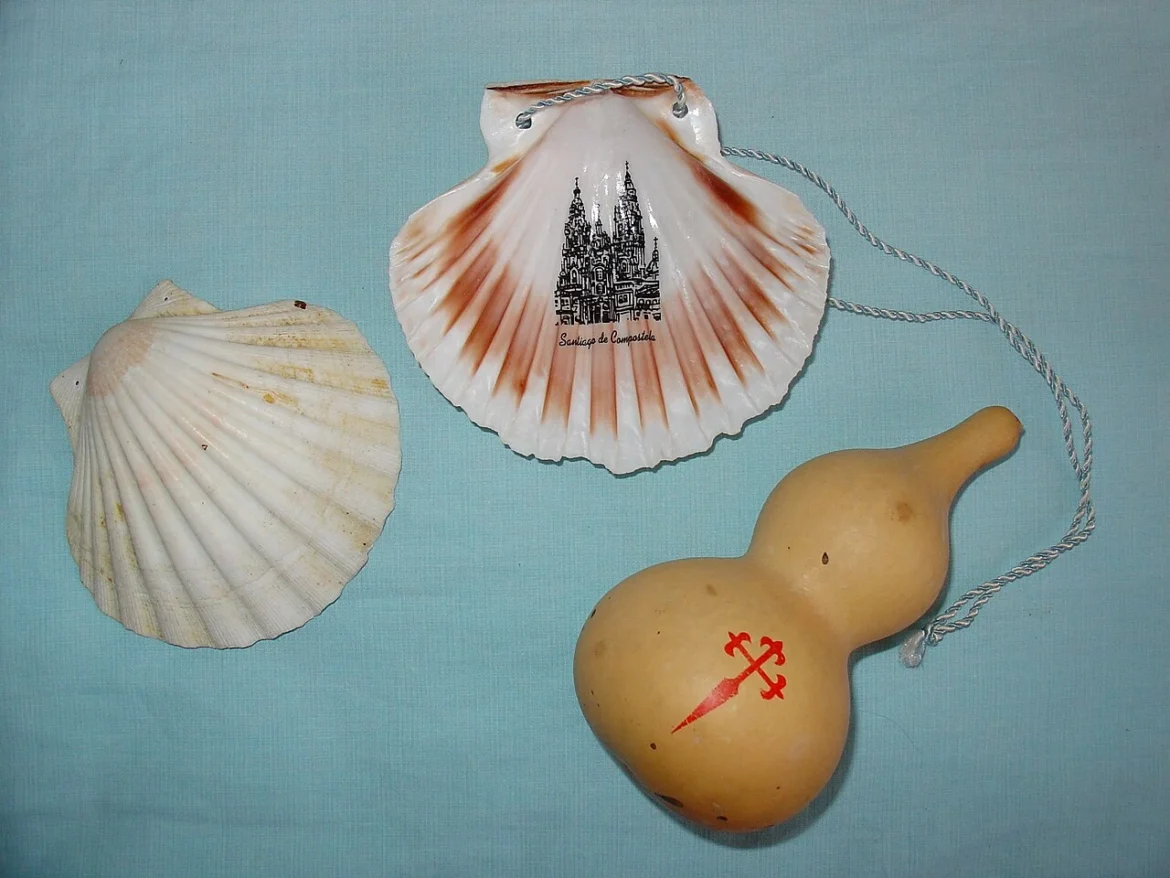
The shell in traditional attire
Staff, cape, hat and pumpkin appear in historical representations of pilgrims; The shell was usually placed on clothing or a hat. Today it continues to appear in backpacks and clothing, although its use no longer necessarily implies having completed the Camino. It is important to distinguish a tradition from a requirement: the shell does not replace the credential, nor does it accredit the kilometers traveled. It is, above all, a sign of identity that helps recognize other walkers.
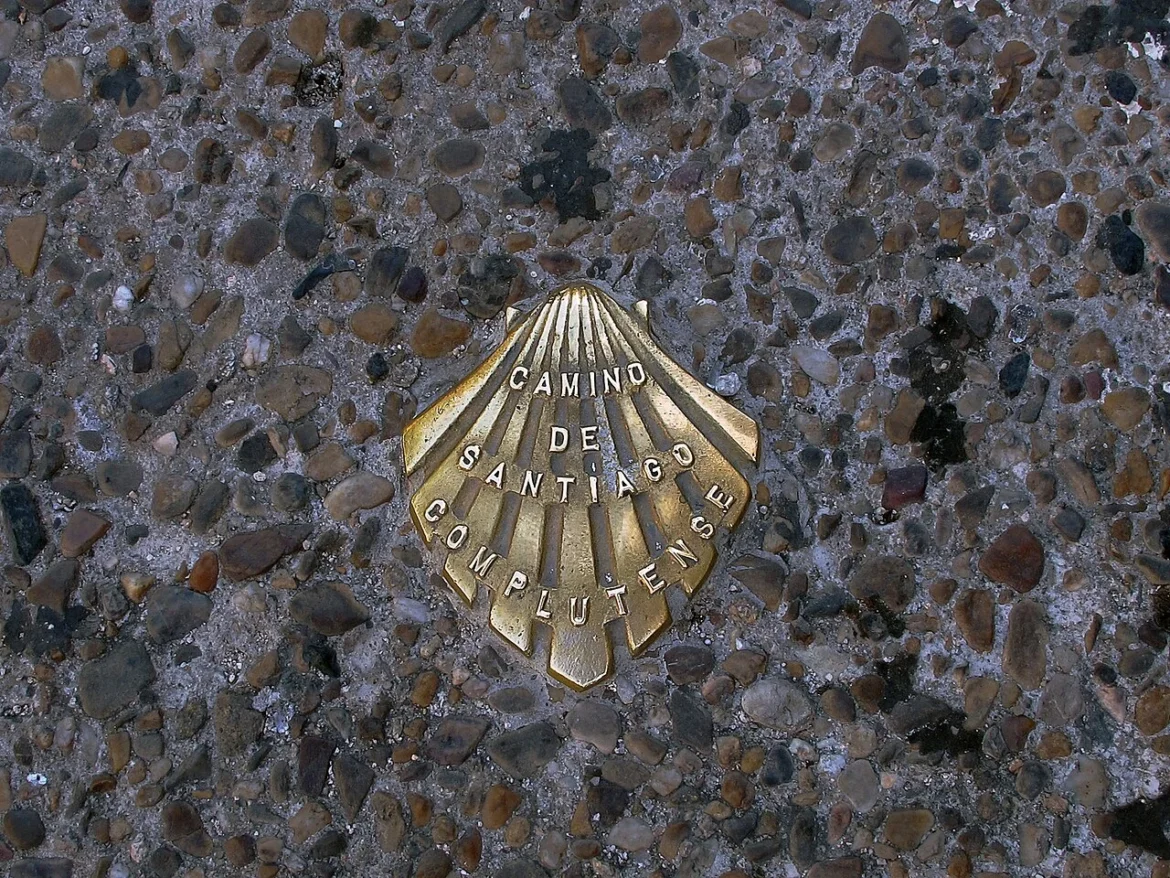
From souvenir to orientation sign
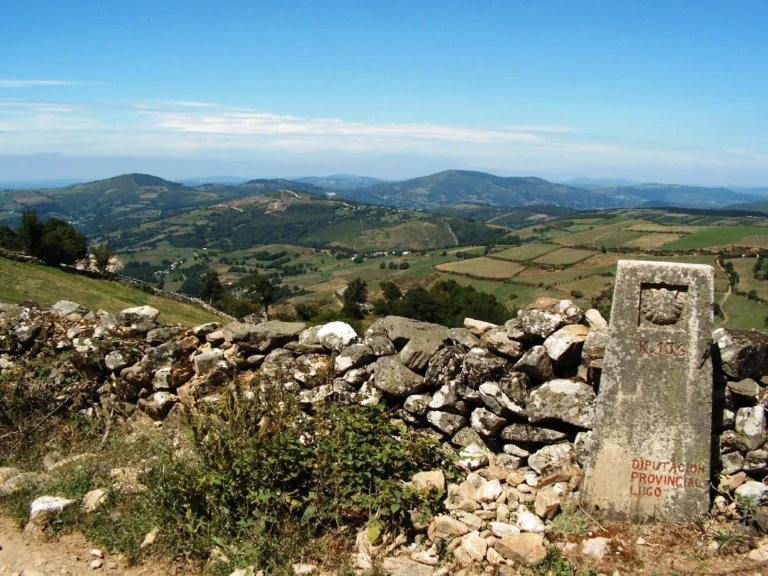
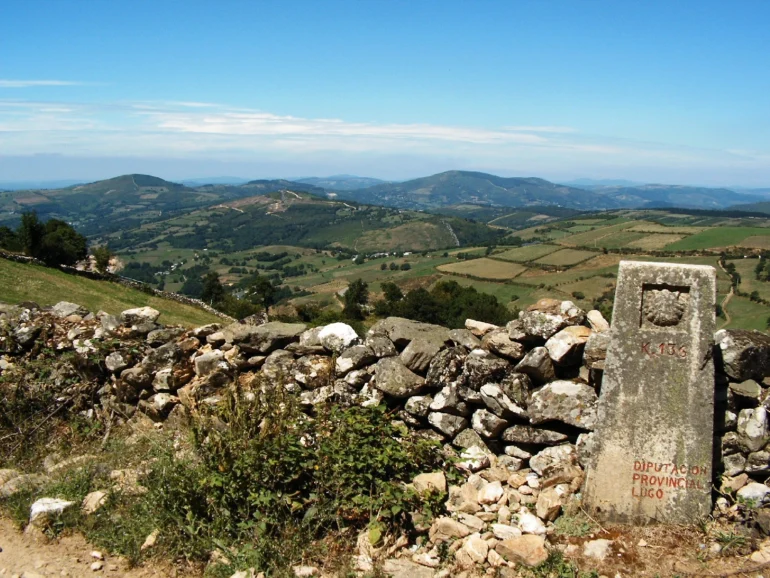
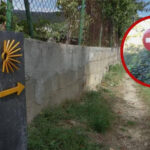
In addition to decoration, the scallop is part of the institutional and local signage of the Jacobean itineraries. It is frequently depicted in yellow on a blue background and appears on milestones, plaques and urban signs. However, the orientation of the striations and designs is not uniform in all territories; To decide a turn, the yellow arrow and the official signage of the section are usually clearer. When there are works or detours, it is advisable to follow the recent indications of the itinerary and not interpret the position of a shell alone.
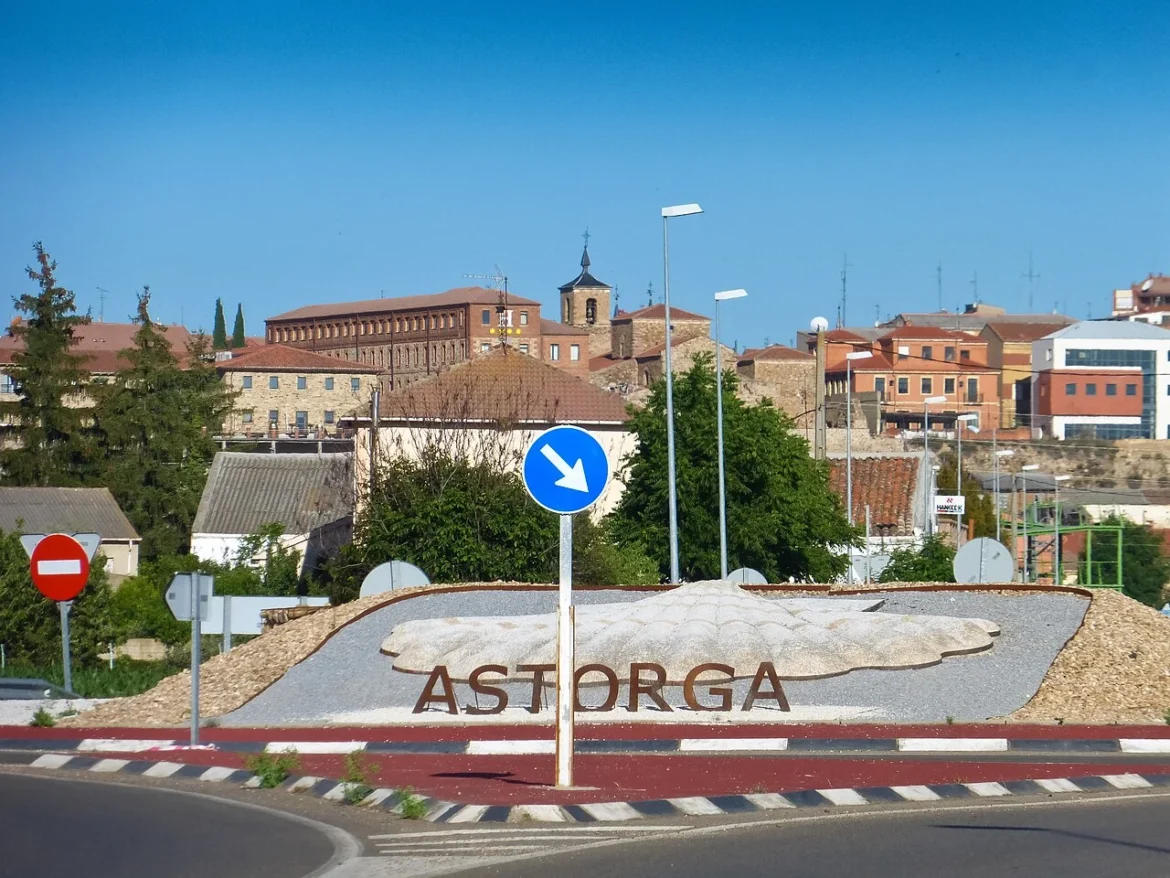
Curiosities and living heritage
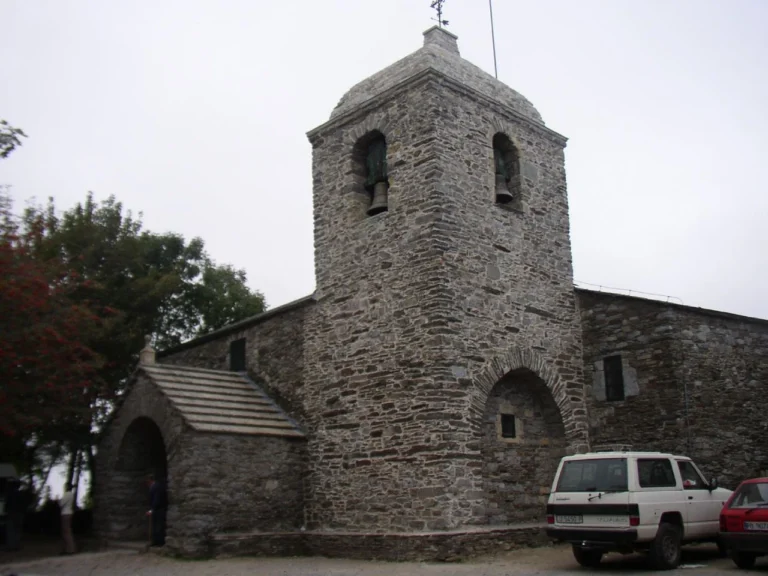
Shells carved in stone can be found in churches, historic hospitals, facades and shields linked to the Camino. These elements allow us to recognize the Jacobean imprint even in places where the use of the building has changed. Scallops are also seen on credential seals, souvenirs and decorative motifs. Its spiritual meaning depends on each pilgrim: for some it represents faith; for others, adventure, hospitality or the effort of walking.
How to observe it during the Camino
Look at the shells on the doors, the signs on the crossings and the motifs on the old buildings. When a license plate includes a scallop and an arrow, first identify where the arrow is pointing. If you go with children, it can be a simple way to begin to explain why many paths coming from different points end up meeting in Santiago. Photographing these small pieces of heritage helps uncover a history that is often hidden among great monuments.
A look at the symbols on different Caminos
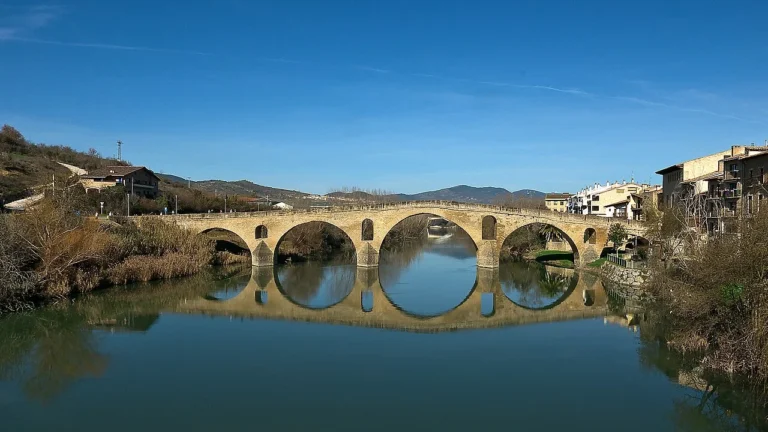
Whoever travels the Northern Way, the French Way, the Primitive Way or the Portuguese routes finds shells in very different contexts. In a city they can be metal plates embedded in the sidewalk; in a town, tiles; next to a church, motifs carved centuries ago. Not all of these pieces date from the Middle Ages: many belong to contemporary signage programs. Comparing them helps to distinguish ancient heritage from recent interventions and to appreciate how a traditional symbol has been able to adapt to modern life.
The shell also appears in the iconography of Santiago the pilgrim, usually represented with a staff and hat. To understand an image well, it is advisable to look at the set of attributes and the context in which it was created. Some paintings and sculptures were made far from Galicia, proof of the European diffusion of Jacobean devotion and its visual elements.
Sources: Spanish Federation of Associations of Friends of the Camino de Santiago; Camino de Santiago, Xunta de Galicia; Wikimedia Commons, pilgrimage scallops.
Images: Photography and license: Wikimedia Commons.