The history of the yellow arrow of the Camino de Santiago, its relationship with Elías Valiña and tips for interpreting the signs.
The sign that every pilgrim understands
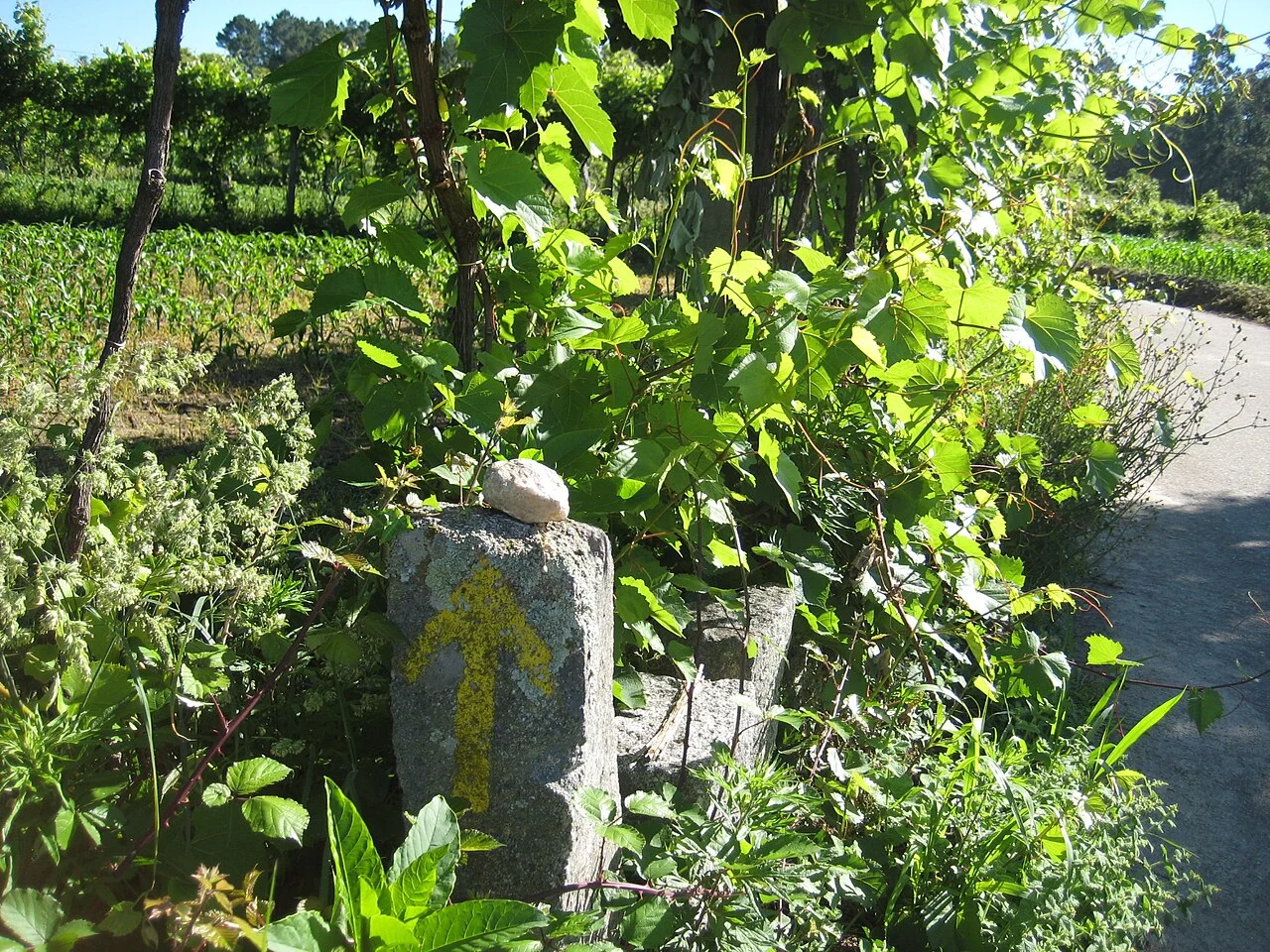
An arrow of yellow paint, drawn on a stone, wall or post, is sufficient to indicate the direction of travel. Its simplicity explains why it has become a universal symbol of the Camino de Santiago. It appears on trails, rural roads, streets and entrances to towns. Unlike large information panels, it can be placed at small decision points where a wrong deviation would cause you to lose your way.
Elías Valiña and the recovery of the route
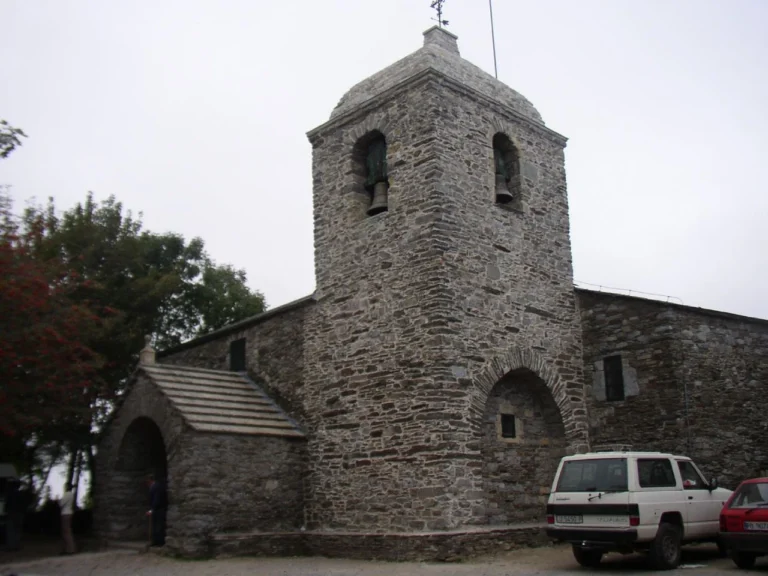
The popularization of the yellow arrows is linked to the priest Elías Valiña Sampedro, parish priest of O Cebreiro and a fundamental figure in the contemporary revitalization of pilgrimages. During the eighties he promoted signaling and recovery work on the French Way. The work of Jacobean associations, volunteers and administrations extended and consolidated this chromatic reference. His memory helps us understand that the current ease of finding one's way is the result of years of collective effort.
How to read the arrow at each intersection
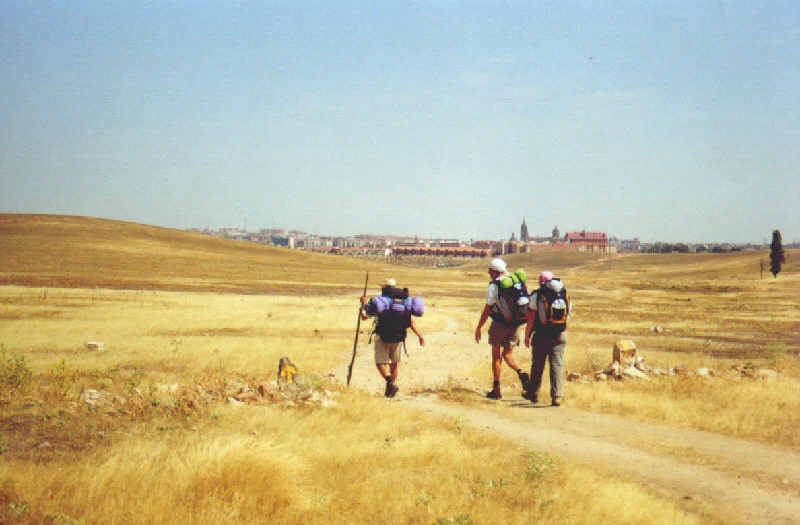
The point indicates the direction to be followed, but it is always advisable to observe the entire crossing: location of the mark, existence of other signs, official route and possible temporary detours. On paths shared with hiking or cycling routes, markings of other colors may appear. An old, erased or partially covered arrow is not a sufficient guarantee; If the signage is contradictory, consult the updated official information for that itinerary.
Stone cairns and yellow shells
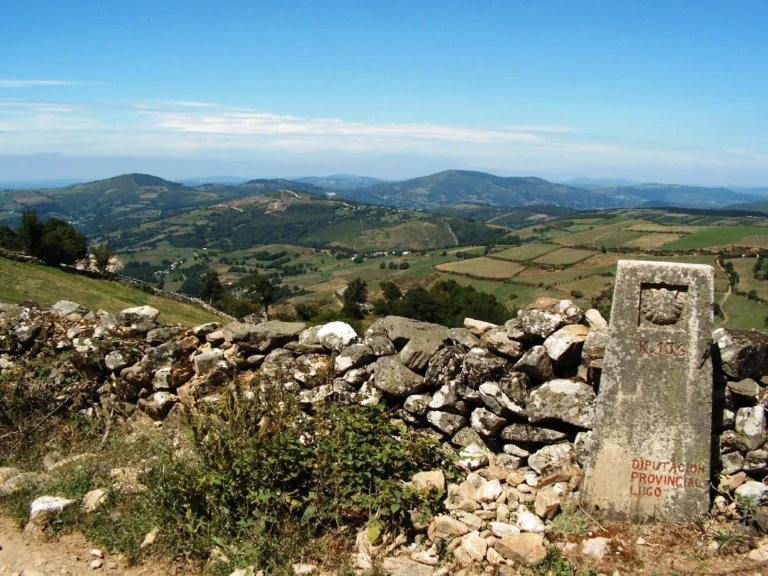
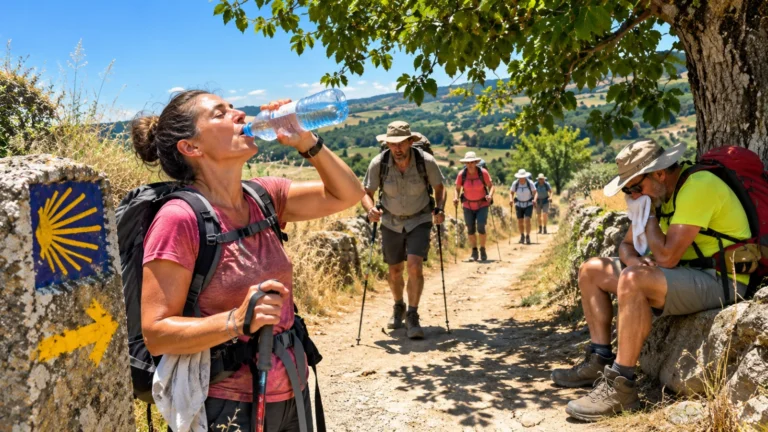
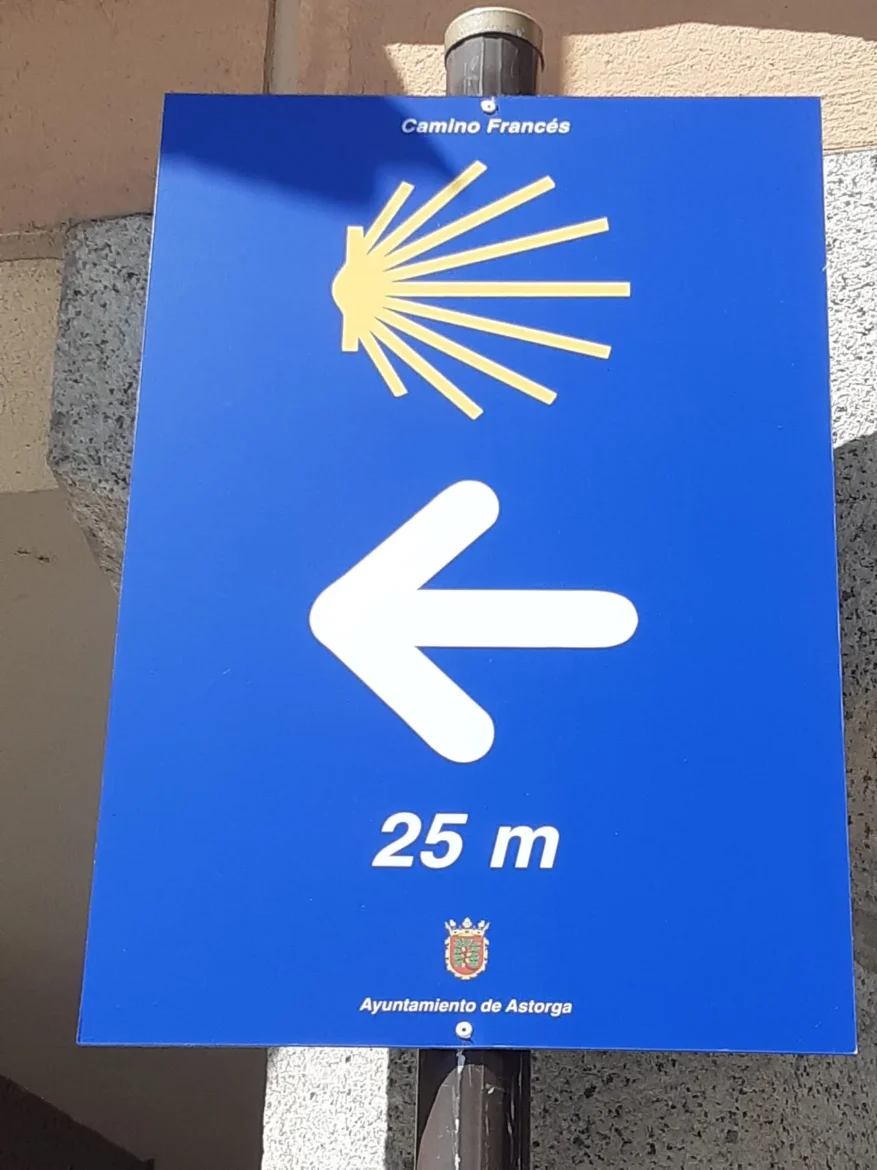
In Galicia, granite cairns that combine the yellow scallop on a blue background with information about the route are common. The shell identifies the Jacobean connection of the itinerary and the arrows help decide the direction of travel. Its design and location may vary from one community to another. It is also not advisable to interpret the direction of the lines on the shell as a universal rule for knowing where to walk.
Preserving the marks is also taking care of the Camino
You should not paint new arrows on your own initiative or revise existing ones without authorization: an improvised sign can lead other people astray, affect protected buildings or come into conflict with those responsible for maintenance. If you find an illegible mark, a confusing intersection or a dangerous detour, it is more useful to report it to the managing entity, Jacobean association or competent administration. Following the arrows is a daily gesture that remembers how many people have worked so that others can reach them.
What an arrow can't tell you
The signage helps you find the route, but it does not in itself inform you about the state of a stream, the opening of a shelter or the existence of a section cut off due to construction. Before starting a stage, especially if it is long or crosses isolated areas, it is prudent to check the weather forecasts and official warnings. Carrying a downloaded map reference can be useful when mobile coverage is lacking.
The arrows also tell a story of cooperation: associations, hospital workers and neighbors have contributed for decades to making paths visible that in some sections had lost their normal use. Yellow is recognized today as an invitation to continue, but behind each well-placed sign there are cleaning, conservation and coordination tasks that the walker rarely sees.
Sources: Camino de Santiago, Xunta de Galicia; Spanish Federation of Associations of Friends of the Camino de Santiago; Wikimedia Commons, sign on the Camino Primitivo.
Images: Photography and license: Wikimedia Commons.