The Romanesque Route turns the Camino de Santiago into an open-air museum
The Camino de Santiago is much more than a pilgrimage route. One of the largest collections of Romanesque art in Europe is displayed along its route, forming an authentic historical open-air gallery. This heritage wealth is the central axis of the Romanesque Route, a cultural initiative that invites you to rediscover the Camino from an artistic and cultural perspective.
The proposal highlights how the Romanesque style developed and expanded thanks to the constant transit of pilgrims during the Middle Ages. Churches, monasteries and pilgrim hospitals were built to serve the walkers, and with them a common architectural language emerged that today can be seen in towns and cities along the Jacobean route.

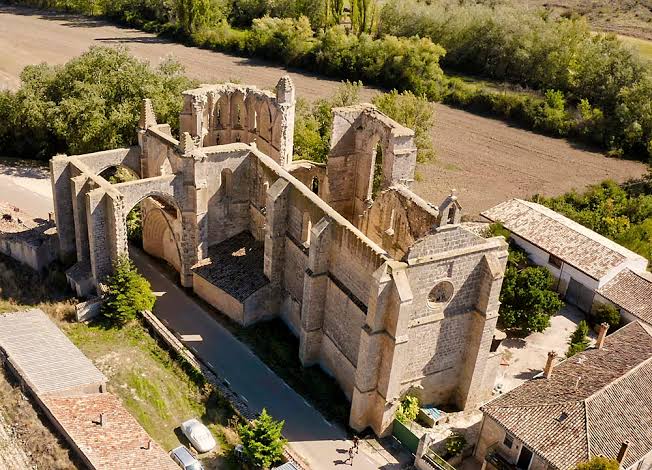
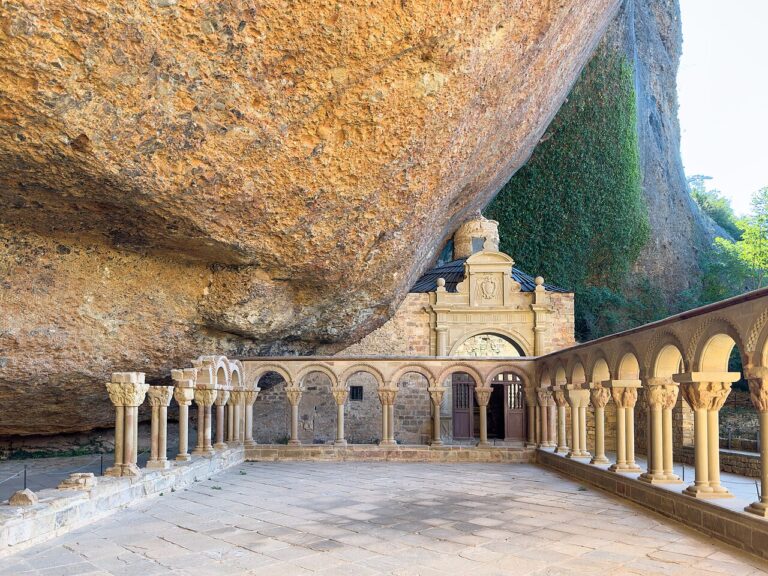
Along the Camino, temples with semicircular apses, sculpted doorways and capitals decorated with biblical and symbolic scenes are preserved. These constructions not only fulfilled a religious function, but also a pedagogical one, since they transmitted messages to a largely illiterate population through images carved in stone.
The Romanesque Route allows us to understand how the Camino acted as a means of artistic dissemination. The master builders traveled from one point to another, repeating models and adapting them to each territory, which generated a network of monuments connected to each other by the route of the pilgrimage itself.
This artistic route crosses communities such as Navarra, La Rioja, Castilla y León and Galicia, where some of the most outstanding examples of European Romanesque are concentrated. Rural churches, monasteries and large cathedrals form a heritage complex that is integrated into the landscape and accompanies the pilgrim stage after stage.
In addition to its historical value, this route turns the trip into a complete cultural experience. Walking the Camino de Santiago is also exploring centuries of medieval art, where each stop becomes a history lesson and each temple a museum piece without walls.

The initiative emphasizes that the Camino is not only a spiritual itinerary, but a cultural axis that has shaped the territory and identity of many regions. The Romanesque Route reinforces this vision, showing that the pilgrimage left as a legacy an exceptional artistic heritage that today can be enjoyed outdoors.
In this way, the Camino de Santiago is presented as a living museum, where Romanesque art dialogues with the landscape and with the steps of those who continue to travel this ancient route.