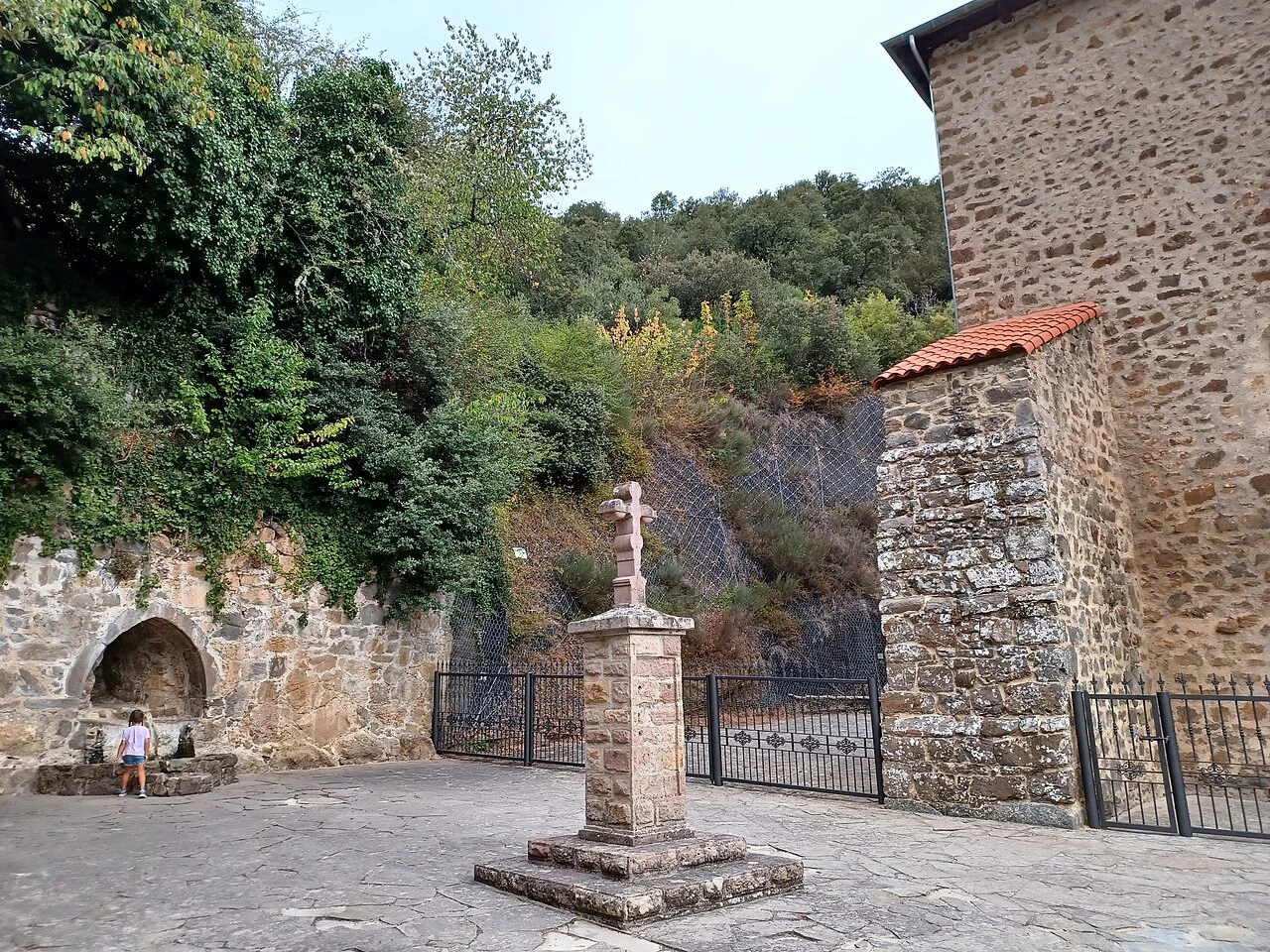
On the slopes of Mount Viorna, above the Liébana valley, is one of the great pilgrimage sanctuaries in Spain. Santo Toribio de Liébana is the goal of the Camino Lebaniego, it preserves a Gothic church from the 13th century and is linked to the veneration of the Lignum Crucis, a relic that Christian tradition identifies with a fragment of the cross of Christ. Its history unites medieval monasticism, the figure of Beato de Liébana and the jubilee that will be celebrated again in 2028.
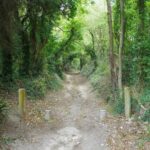
To get there from Potes, the pilgrim ascends along a signposted road and along sections of the itinerary that run between meadows and mountains. As you approach the monastery, the landscape opens up and shows the contrast between the stone building and the mountains that surround it. It is not an urban cathedral: its character is linked to a valley that for centuries was a place of refuge, study and religious life.
The monastery belongs to the municipality of Camaleño, in Cantabria. It can be reached by road, but the visitor who has traveled the route on foot usually knows it as the end point of a journey that began in San Vicente de la Barquera and crossed the Nansa, Lamasón, Peñarrubia and Liébana.
From San Martín de Turieno to Santo Toribio: a monastery with a long history
The religious origins of the place date back to the Early Middle Ages. Tradition places a community here linked to Toribio of Palencia in the 6th century, although the historical development of the establishment must be understood through the monastic communities that occupied these valleys in later times.
Formerly known as San Martin de Turieno, the monastery acquired importance in the 10th and 11th centuries, when it controlled lands, churches and other assets in the region. The preserved documents and references from their cartulary offer a window into the organization of medieval Liébana and its networks of relations with other Christian territories.
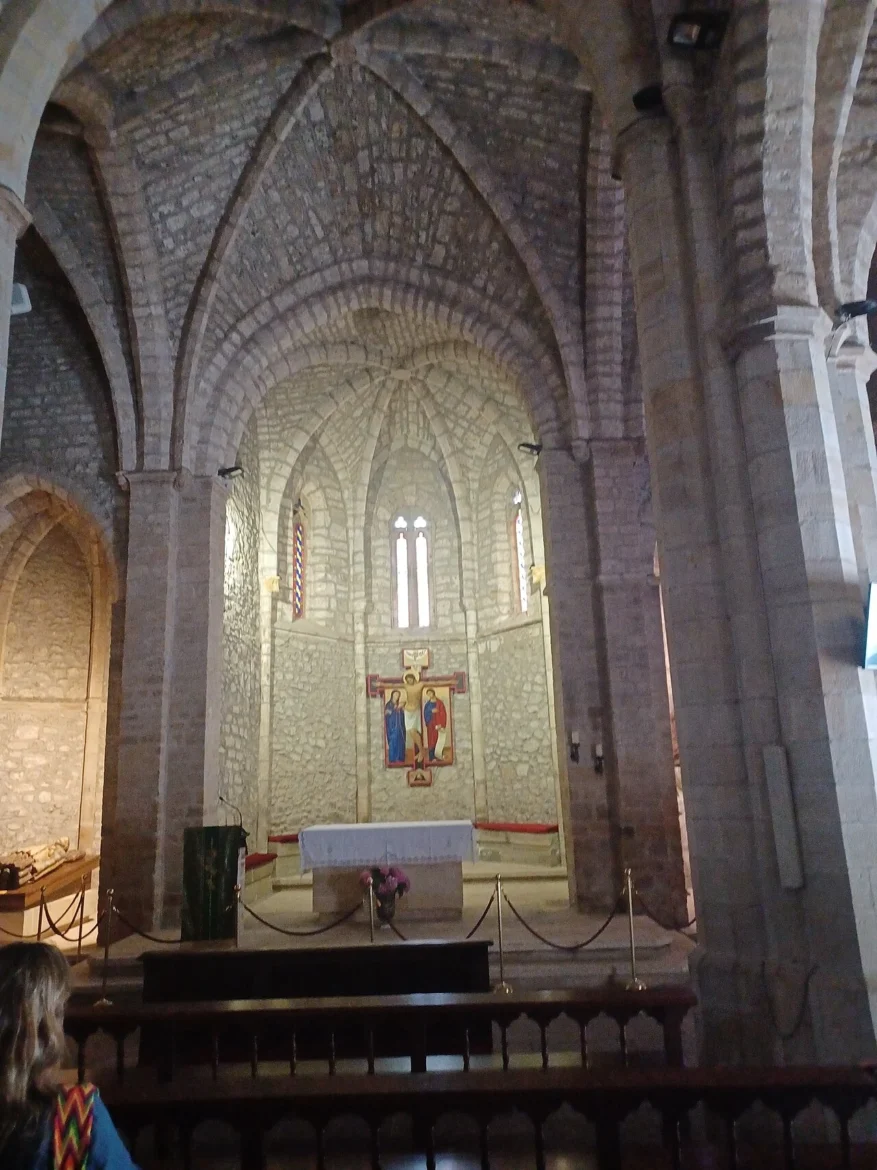
The first constructions are not what we see today. An important Gothic program succeeded the pre-Romanesque and Romanesque rooms. The current church began to rise in 1256, at a time when construction forms linked to the Cistercian period favored clear spaces, robust supports and contained decoration.
The complex was later transformed with new rooms, renovations and restorations. The cloister, with a Herrerian appearance, belongs to the 17th century and serves as a passage to other spaces. During the 20th century, actions were carried out to recover a building that had suffered a long deterioration, and successive jubilee celebrations promoted new improvements.
That is why it is convenient to walk through the premises without thinking that all its walls are from the same period. The church, the portals, the cloister and the chapel that houses the relic respond to different needs and styles. The history of the monastery is the history of its transformations.
The Gothic church, its vaults and the Puerta del Perdón
The church is organized into three naves, with the tallest and widest central nave, transept and apse formed by three polygonal apses. Upon entering, you can recognize the cross vaults, the pointed arches and the cruciform pillars, to which columns are attached. The whole is an expression of the sobriety of monastic Gothic.
Among the sculptural elements, the capitals of the central apse stand out, linked to scenes from the life of Santo Toribio. Faced with the austere appearance of the stone, certain details invite us to pause our gaze and remind us that medieval decoration also served to transmit stories and religious teachings.
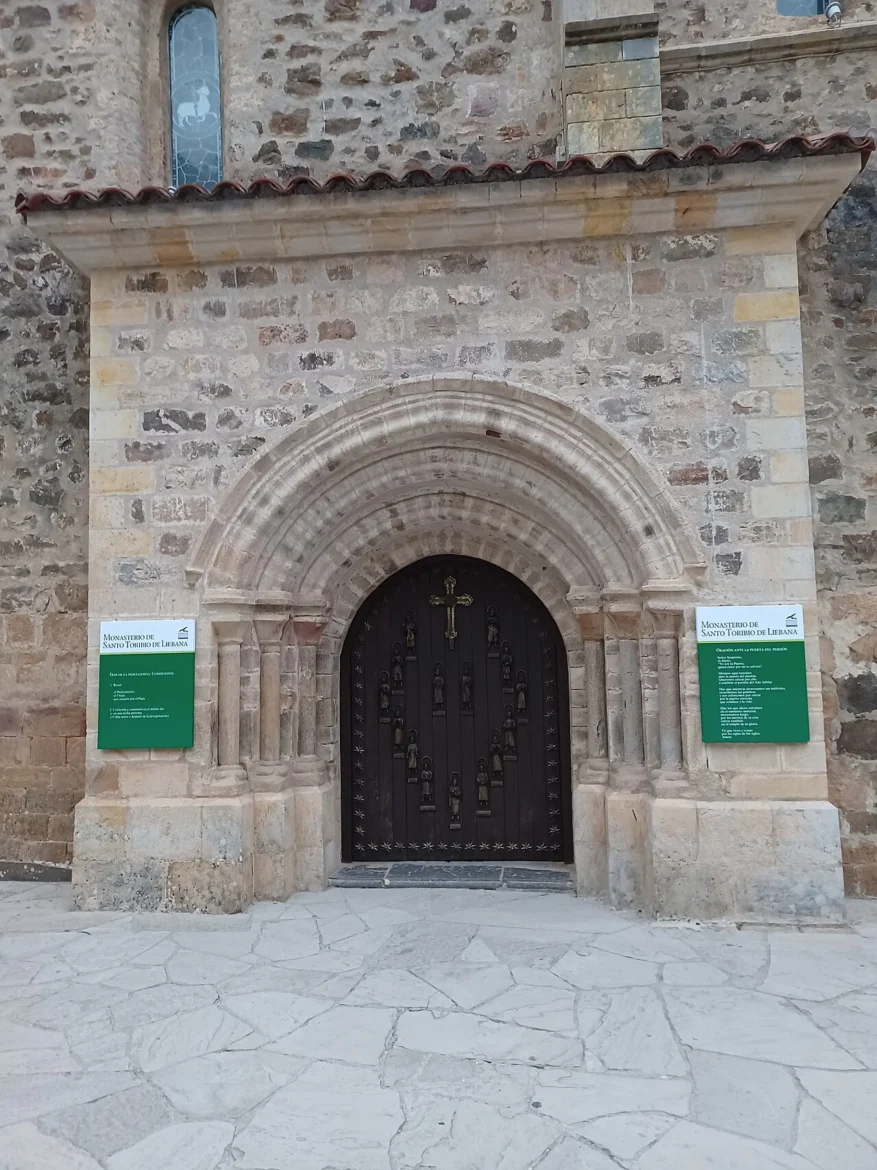
On the southern façade there are two doorways. The main one has pointed archivolts on columns; next to her appears the well-known Door of Forgiveness, an access of great symbolic value. Heritage documentation places its construction in a later phase, possibly at the end of the Middle Ages, due to its late Gothic features.
The door is solemnly opened on the occasion of the Lebaniego Holy Year. Pilgrims who know the Camino de Santiago and its Holy Door of Compostela will find here a different tradition but related to the history of Christian jubilees. It is not simply a secondary entrance: it is part of Liébana's religious identity.
The next Lebaniego Jubilee will be in 2028, because the festival of Santo Toribio, on April 16, will then coincide with a Sunday. For this reason, the monastery and the Camino organizations are preparing new activities and welcome services. Whoever organizes a pilgrimage during that year must consult the official program and the access conditions, which may vary with respect to an ordinary visit.
The Lignum Crucis, the relic that made the monastery a destination
The main reason for the religious pilgrimage to Santo Toribio is the veneration of the Lignum Crucis. Christian tradition identifies it with a fragment of the cross of Jesus Christ, kept in a baroque chapel. The monastery considers it one of the most important relics of its history and a centerpiece of its celebrations.
It is convenient to distinguish between faith tradition and historical research. The religious identification of wood belongs to Christian devotion; It is not a statement that a heritage guide should present as proven archaeological fact. Its cultural importance is incontestable: for centuries it has attracted pilgrims and has given meaning to its own route.
The Lignum Crucis chapel offers a contrast with the sobriety of the Gothic nave. Its ornamentation and liturgical arrangement refer to the Baroque era, when the presentation of relics acquired a different expressiveness. Visits are subject to their own schedules and the development of religious events.
Whoever enters this place also discovers the continuity of the sanctuary. Each generation has expressed its devotion differently, but the center remains the same: the relic and the meaning it has for those who venerate it.
Blessed of Liébana, the codices and medieval culture
One of the inseparable names of the monastery is Blessed of Liébana, monk and writer of the 8th century. His most influential work was Commentary on the Apocalypse, written around the year 776, which would later circulate in numerous manuscripts copied by religious communities.
Many of these specimens incorporated extraordinary colorful miniatures, geometric shapes and biblical scenes. They are the known ones Blessed, fundamental to study medieval Hispanic painting. The richness of these illustrations does not mean that they were all made in Liébana; Beato's comment spread and was copied in different monasteries.
The Diocese recalls that Beato's original manuscript is not preserved in Santo Toribio. In the cloister you can see a sample of plates that help you imagine how his work was transmitted. This detail is important for the visitor: the monastery is linked to the intellectual origin of the Blesseds, although the copies that have come down to us are distributed among different libraries and collections.
Beato also participated in theological debates of his time and composed the hymn O Dei Verbum, related to the veneration of Santiago. This cultural connection is especially significant for RTV : the Lebaniego Way and the Jacobean Way share centuries of religious history, although they are not the same pilgrimage.
The arrival of the pilgrim from Potes and the last stage of the Camino
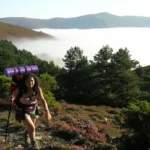
He Lebaniego Road It starts from San Vicente de la Barquera and allows you to reach the monastery after crossing the interior of Cantabria. In the final stretch, from Pots, there are approximately four kilometers left to climb, depending on the route followed.
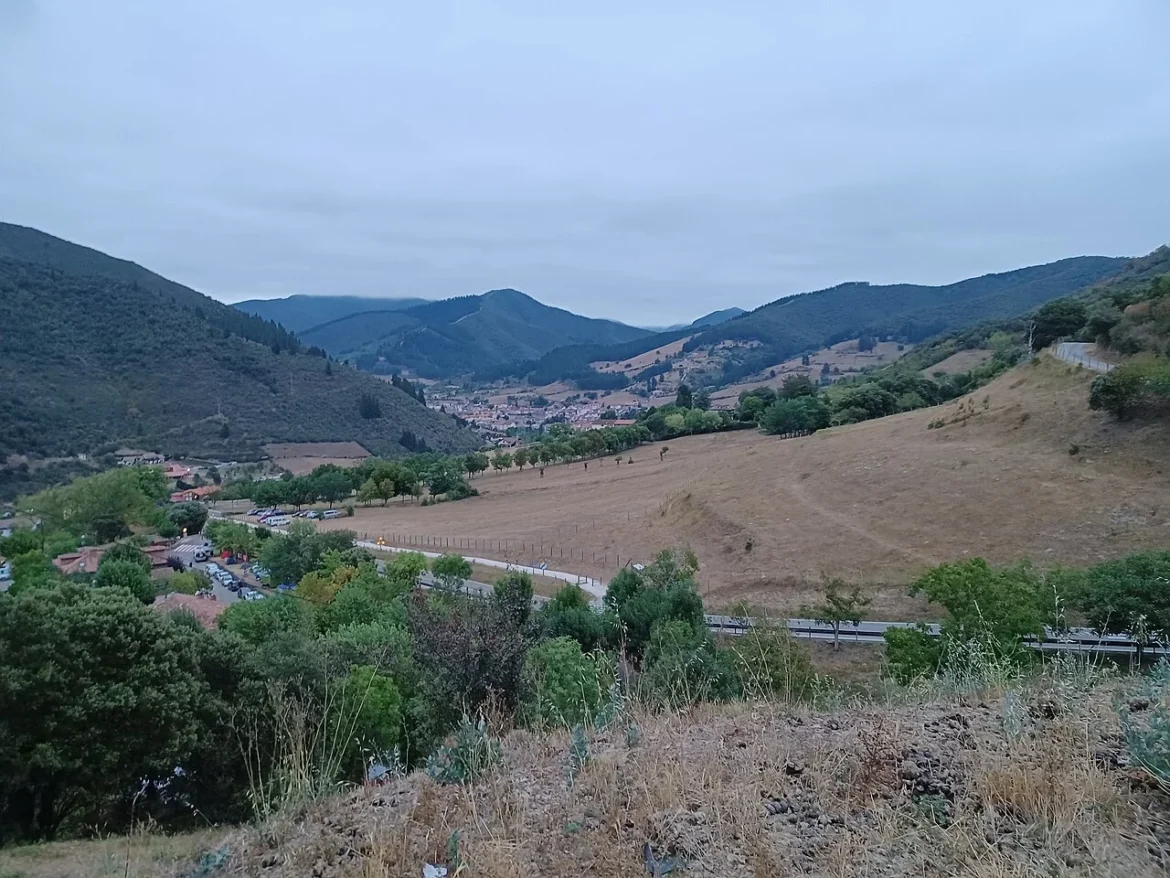
After three demanding official days, arriving at the sanctuary also has a practical meaning. Potes brings together most of the accommodation, restaurant and supply services; The monastery is above all a place of visit and worship, not a town with complete urban services.
The diocesan hostel was renovated and reopened in July 2026, but its current operation is aimed at groups with prior reservation, not to guarantee a bed for every pilgrim who arrives without warning. If you travel on your own, consult the Santo Toribio hostel details and consider other options in Potes.
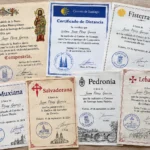
The monastery's pilgrim office takes care of arrival documentation. The new official credential of the Camino Lebaniego and the certificate Lebannensis They were presented in 2026. The Lebannensis accredits the pilgrimage carried out in accordance with the established conditions; The Lebaniega is a different document, intended for those who visit the sanctuary. Our Santo Toribio file Gather contacts and recommendations.
In the surroundings there are small hermitages and paths linked to the religious life of the mountain, including those that ascend around Mount Viorna. To explore them, it is advisable to check the state of the terrain, bring water and avoid improvising itineraries when the weather is adverse.
Schedules to visit Santo Toribio de Liébana
According to the information of the Diocese of Santander, ordinary access to the church and cloister is free and does not require a reservation. Publish a regular schedule 10:00 a.m. to 1:00 p.m. and from 4:00 p.m. to 6:00 p.m., with pilgrim mass normally at 12:00.
Visits to the Lignum Crucis chapel are announced from Monday to Saturday 11:00 to 12:00 and from 16:00 to 17:00. The Foundation's tourist information shows partially different seasonal schedules. For this reason, before traveling it is better to confirm the attention and celebrations in the 942 730 550.
Whoever wishes to complete the pilgrim procedures can contact the monastery office at 633 349 684. For any special ceremony, collective visit or arrival during an important holiday, the sanctuary may temporarily modify access.
The value of Santo Toribio de Liébana goes beyond the end of a stage: it is a place where Gothic architecture, the tradition of relics, the legacy of Beato and centuries of pilgrimage through the mountains of Cantabria meet.
Photography and documentation credits
Photographs of the monastery (11 and 03), Puerta del Perdón (01) and Path to the Monastery (01): Simon Burchell, Wikimedia Commons, CC BY-SA 4.0 license. Resized for publication on RTV ; Header image not repeated in the report.
Sources: Diocese of Santander, history and schedules of Santo Toribio; Camino Lebaniego Foundation, monument and architecture; credentials and certificates.