The Chilean route, which the Cathedral of Santiago de Compostela recognized a year ago as an official section of the Camino, links the Cathedral of Santiago with the Benedictine Monastery of Las Condes. The ambassador of Spain and regional and municipal authorities attended the pilgrimage. La Vía de los Andes will install 400 scallops before the Holy Year 2027.
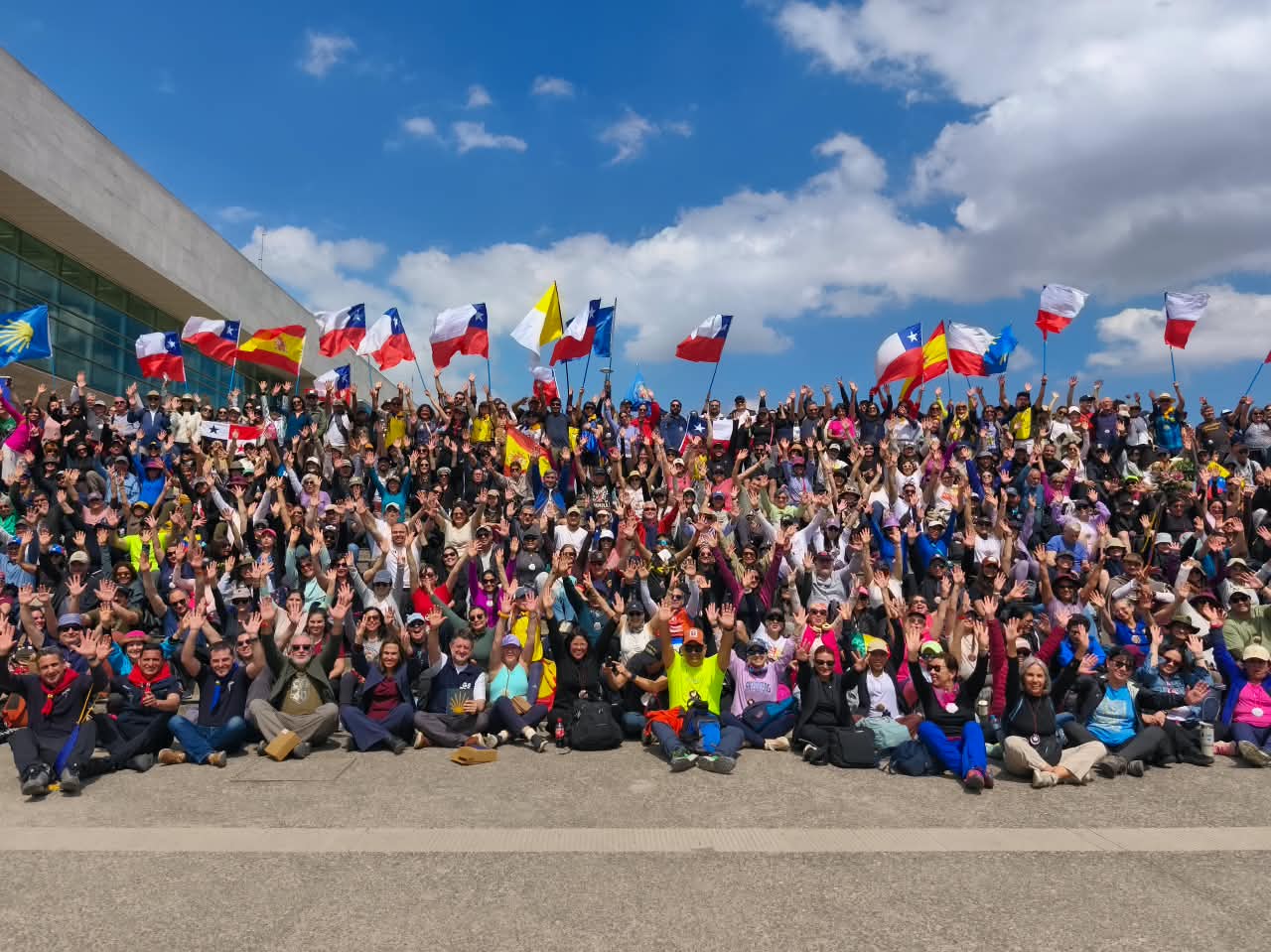
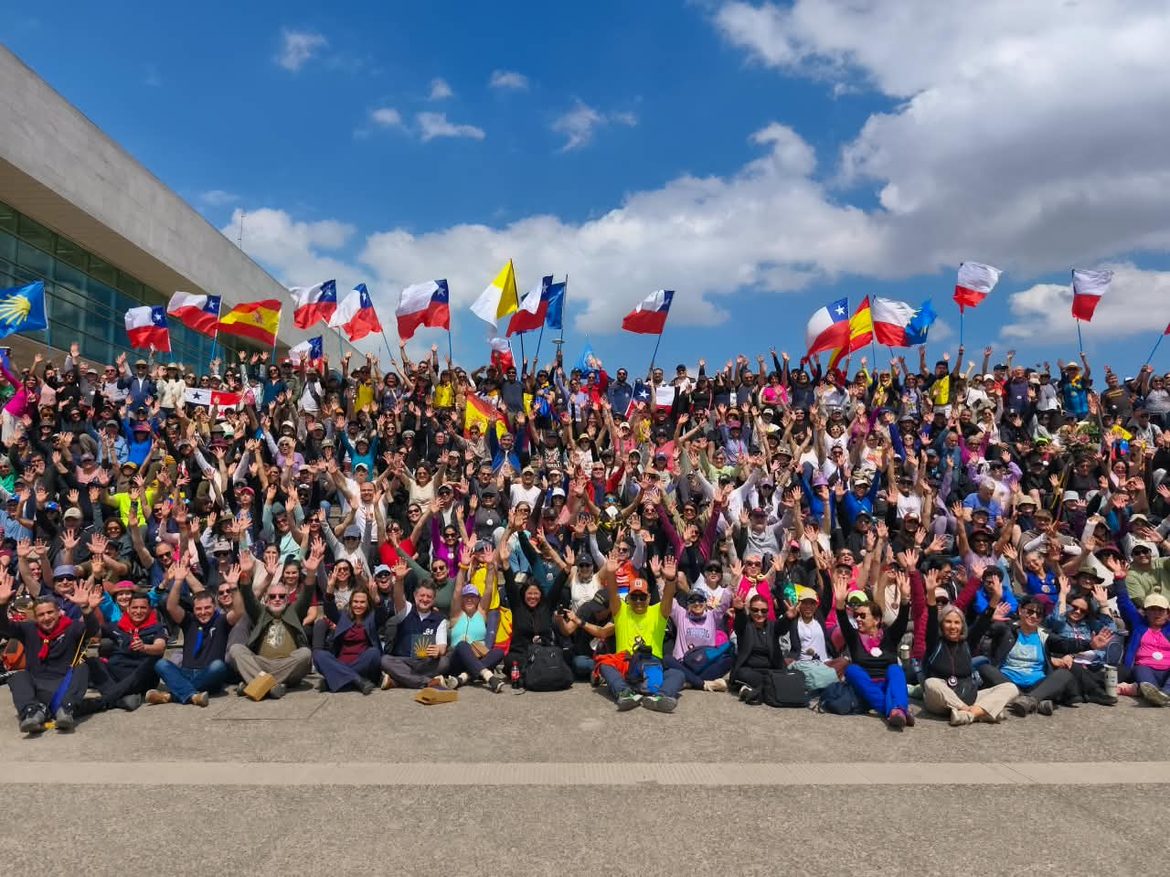
Santiago de Chile, October 5, 2026. More than 1,000 pilgrims from 17 countries and 40 Chilean cities participated last Saturday, October 3, in the pilgrimage along the Via de los Andes, organized by the Chilean Circle of Friends of the Camino de Santiago de Compostela. The day was celebrated a year after the Cathedral of Santiago de Compostela recognized the route as an official section of the Camino de Santiago.
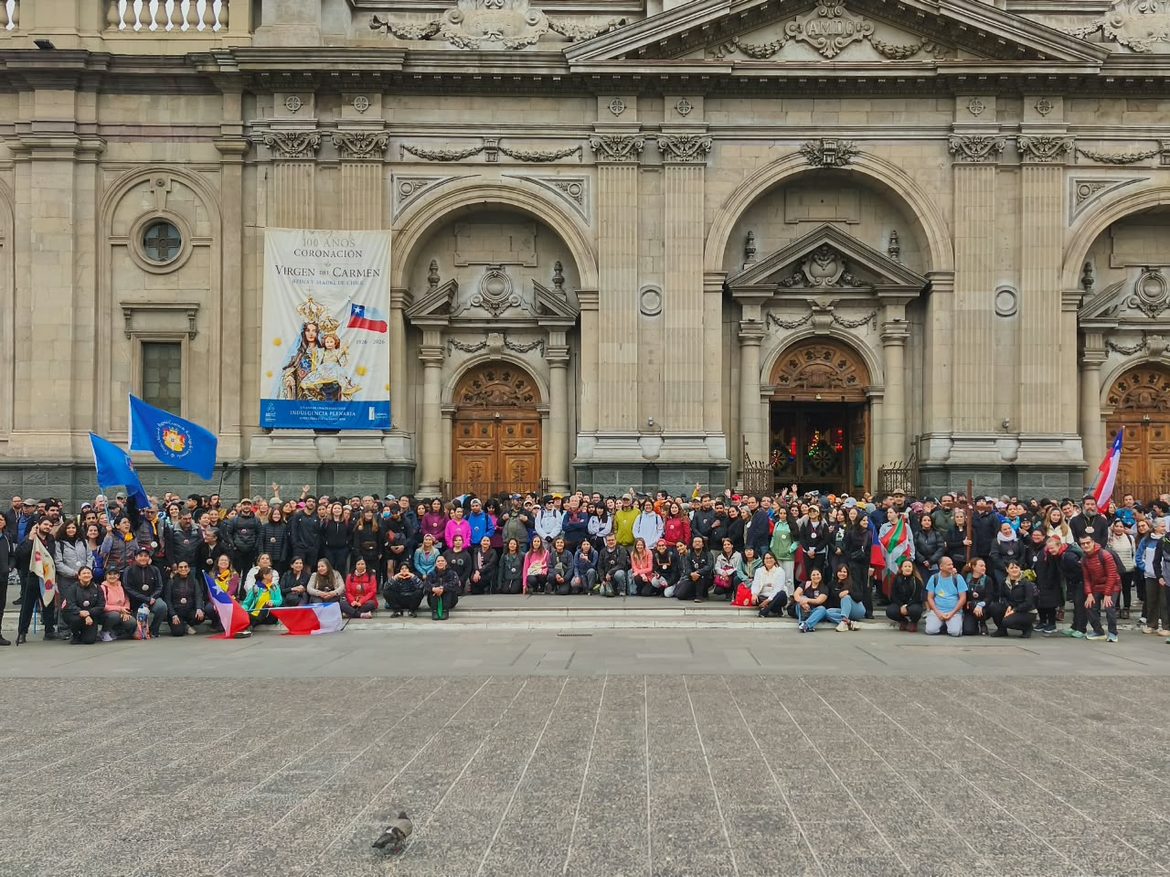
The 25-kilometer route started from the Metropolitan Cathedral of Santiago and ended at the Benedictine Monastery of Las Condes, at the foot of the mountain range.
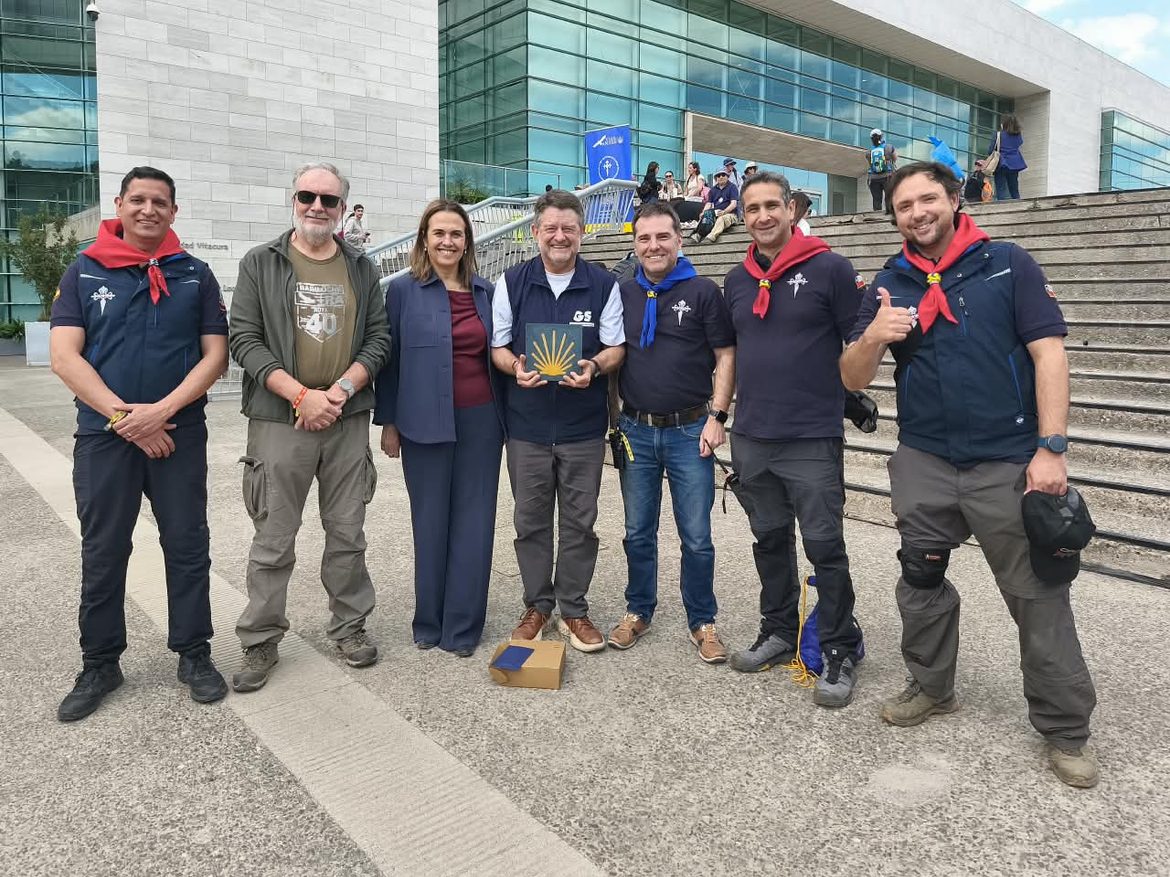
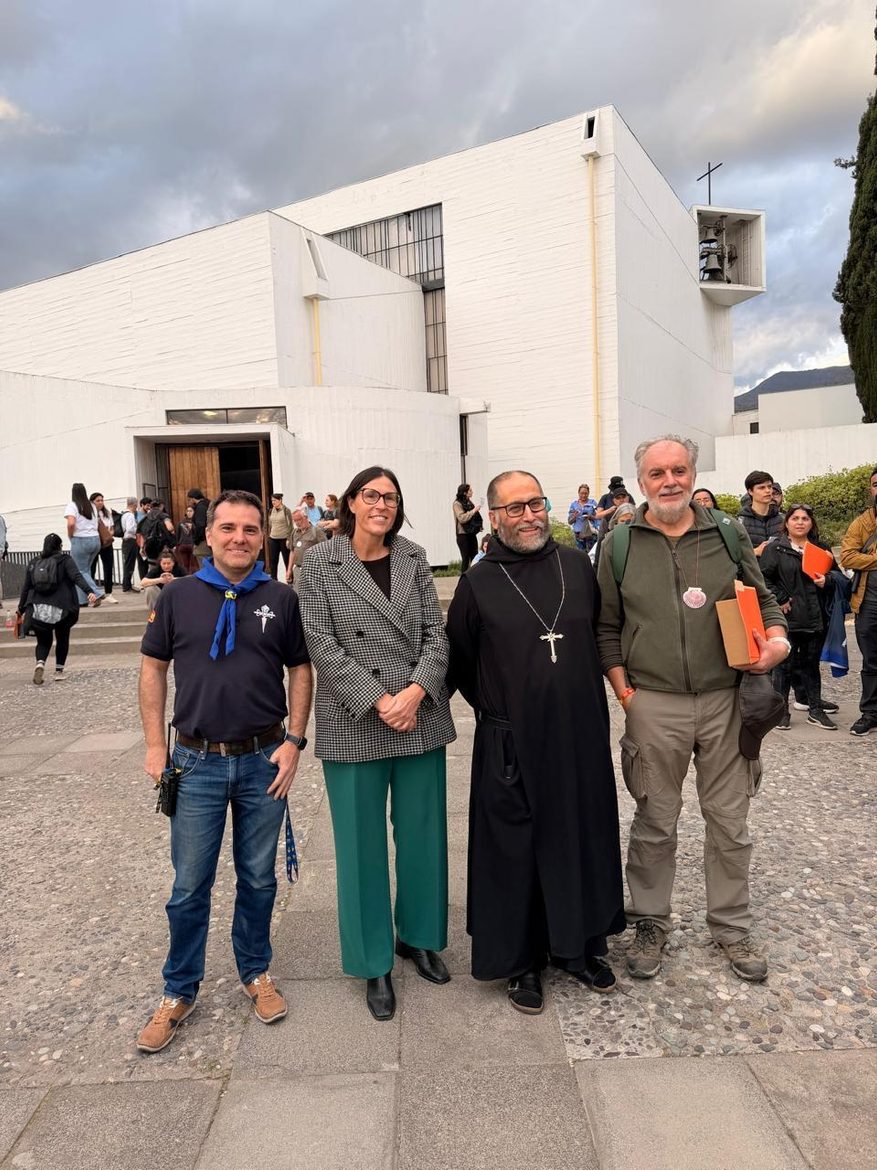
In attendance were the governor of the Santiago Metropolitan Region, Claudio Orrego; the mayor of Providencia, Jaime Bellolio; the mayor of Vitacura, Camila Merino; the ambassador of Spain in Chile, Laura Oroz, and the consul general of Spain in Santiago, Javier García de Viedma.
The pilgrimage advanced during the 25 kilometers escorted by Carabineros de Chile, the Chilean national police, and by the municipal security teams of Santiago, Providencia, Vitacura and Las Condes. Both bodies accompanied the more than a thousand pilgrims at all times and guaranteed safe passage through the streets of the capital.
From the Cathedral to the mountain range
The pilgrims left from the Metropolitan Cathedral, in the Plaza de Armas, and stopped to celebrate mass in the church of San Francisco, in Alameda, the oldest temple in Chile.
From there, the route continued through the temple of San Agustín, the basilica of La Merced, the Ángeles Custodios parish, the Providencia Sculpture Park and the Inmaculada Concepción parish of Vitacura.
Then he arrived at the Vitacura Bicentennial Park, where the southernmost Jacobean landmark in the world stands, declared a National Monument by the State of Chile.
After passing through the Schoenstatt sanctuary of Campanario, the day ended at the Benedictine Monastery of Las Condes, at the foot of the Andes mountain range.
One year as the official route of the Camino de Santiago
On September 22, 2025, the Cathedral of Santiago de Compostela recognized the Via de los Andes as an official section of the Camino de Santiago and validated its 25 kilometers.
It is the only official Jacobean route outside Europe.
Since then, the kilometers traveled in Chile are added to those that the pilgrim later walks in Spain to obtain the Compostela, and are recorded in the distance certificate issued by the Pilgrim's Office.
Passage along the route is accredited with the Chilean Pilgrim Credential. The Cathedral of Santiago de Compostela recognized it as official in May 2025, and in June of that year it was presented at the Spanish Embassy in Chile.
An international call
Pilgrims from Spain, Portugal, South Korea, Argentina, Bolivia, Brazil, Colombia, Ecuador, El Salvador, Guatemala, Mexico, Nicaragua, Panama, Peru, Uruguay and Venezuela walked alongside the Chilean pilgrims.
The call also had national scope, with pilgrims from 40 cities from north to south of the country, such as Antofagasta, La Serena, Valparaíso, Viña del Mar, Rancagua, Talca, Chillán, Concepción, Temuco and Puerto Montt, in addition to Santiago.
«That more than a thousand people from 17 countries and 40 cities throughout the country have walked together through our streets and hills shows that the Via de los Andes is already part of the great map of the Camino de Santiago. Chile has a lot to contribute to this universal tradition," said Francisco de Almozara Valenzuela, president of the Chilean Circle of Friends of the Camino de Santiago de Compostela.
Institutional support
«The Via de los Andes is an example of how heritage, spirituality and sustainable tourism can unite people. From the Regional Government we want Santiago to consolidate itself as a gateway to the Camino in Latin America, and the Holy Year 2027 is a great opportunity to achieve this," highlighted the governor of the Metropolitan Region of Santiago, Claudio Orrego.
«For Vitacura it is a pride to be part of the Vía de los Andes. The Camino invites us to explore our community in another way, on foot, in community and in dialogue with nature. We will continue to support this route, which projects our commune and Chile to the world," said the mayor of Vitacura, Camila Merino.
Heading to the Holy Year: 400 scallops in 25 kilometers
Looking ahead to the Compostela Holy Year 2027, which will begin with the opening of the Holy Door of Compostela on December 31, the Via de los Andes will install 400 tiles with the Jacobean scallop along its 25 kilometers, through the communes of Santiago, Providencia, Vitacura and Las Condes.
The signage will allow you to travel the route autonomously throughout the year.
Chile and the Camino
Every year about 1,300 Chileans collect the Compostela, according to the Santiago de Compostela Pilgrim's Office.
In 2026, with three months left to close the year, there are already 1,177, 91% of the figure for all of 2025.
Chile is thus among the ten countries in America with the most pilgrims per inhabitant.
The link is also historical: the Chilean capital was founded in 1541 by Pedro de Valdivia from Extremadura as Santiago del Nuevo Extremo, in honor of the Apostle.