As thousands of pilgrims walk the different Caminos de Santiago every year, a much less well-known route begins to awaken interest between seeking silence, nature and a more solitary spiritual experience. Chama-se Via Mariana Luso-Galaica, starting in Braga, crosses the north of Portugal into Galiza and ends next to the Atlantic, in the Santuário da Virxe da Barca, in Muxía.
Comparing with the Caminho de Santiago is inevitable, there are different pilgrimages. TO Via Mariana It is not intended to replace the broken Jacobean roads on another Caminho de Santiago. Its identity is linked to Marian tradition and a succession of shrines that for centuries have been part of the popular religiosity of Portugal and Galiza.
But there is an element that begins to pay special attention: to tranquility.
At a time when certain sections of the Caminho de Santiago receive thousands of pilgrims during the busiest months, Via Mariana offers a radically different experience.
Portuguese duas and fifteen days to walk
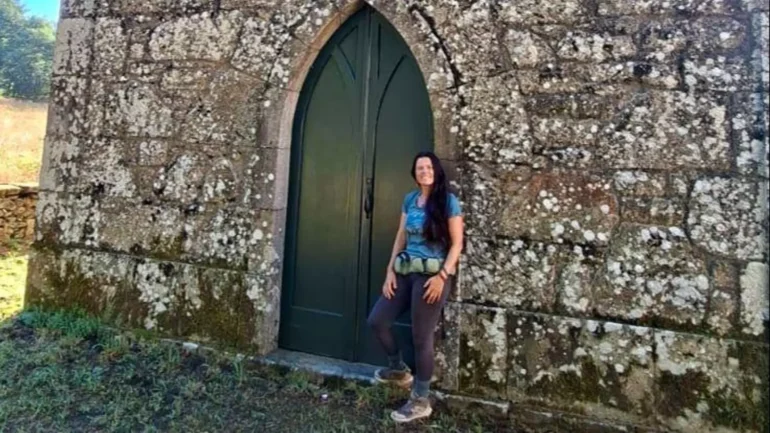
The story of Helena dos Verdes and Rosa Cristina Oliveira shows precisely this other way of pilgrimage.
The Portuguese two will leave Braga on July 27 and complete the tour for fifteen consecutive days, traveling over 17 stages until they arrive at the Santuário da Barca, in Muxía.
Helena explained ao jornal Atlantic that seeks an experience of meditation, contact with nature and personal reflection.
The journey he encountered was an important moment in his life and the pilgrimage ended up becoming something that was beyond the reach of a simple physical challenge.
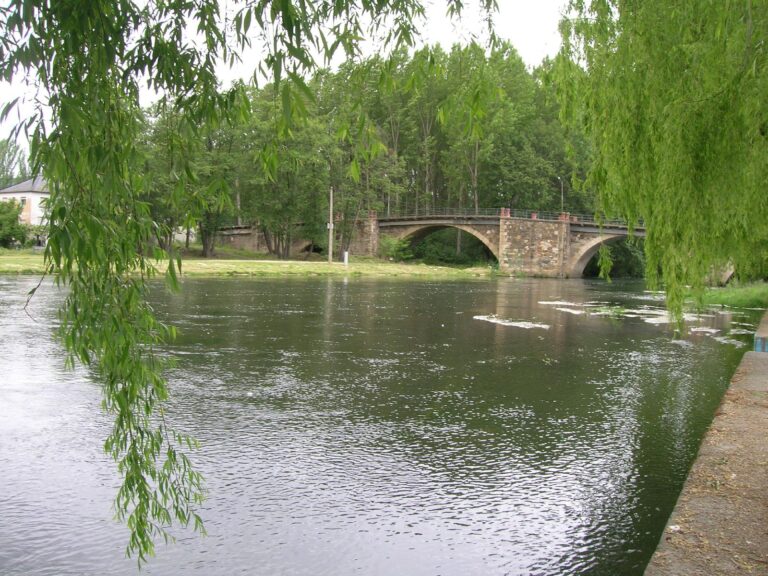
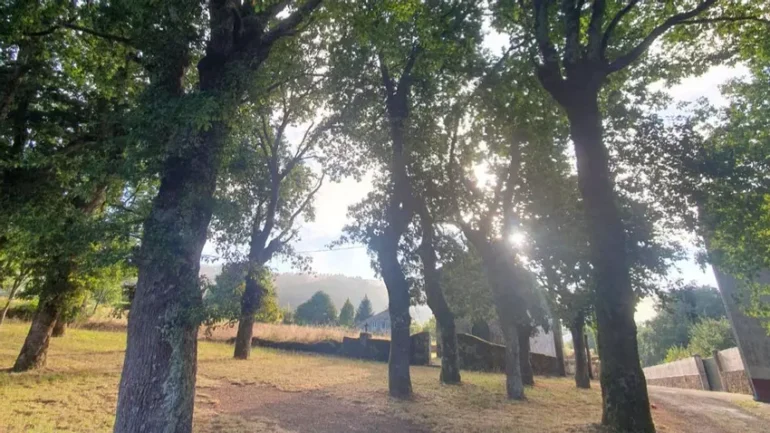
Forests, small villages, ancient places of worship and long periods practically without finding other walkers part of a route are still very different from the existing experience on the busiest points on the French or Portuguese roads.
Nearly 300 pilgrims in 2026
Embora continues to be a minority group when compared to the enormous international phenomenon of Caminho de Santiago, the first numbers show that there is interest.
Second data revealed hair Atlantic, nearly 300 pilgrims will obtain credentials from Via Mariana during 2026.
Approximately 200 integrated tours are carried out in groups, often dividing the stages into different weekends instead of completing the entire tour in one go.
It is a completely different dimension found in the great Jacobean fractures.
And this is precisely where part of your attraction can be.
For some walkers, meeting dozens of pilgrims, sharing shelters and creating international friendships is one of the great riches of the Camino de Santiago.
Others try to do exactly the opposite: walk for hours in silence.
On Via Mariana you begin to find your space between the latter.
From Braga to Muxía through Marian shrines
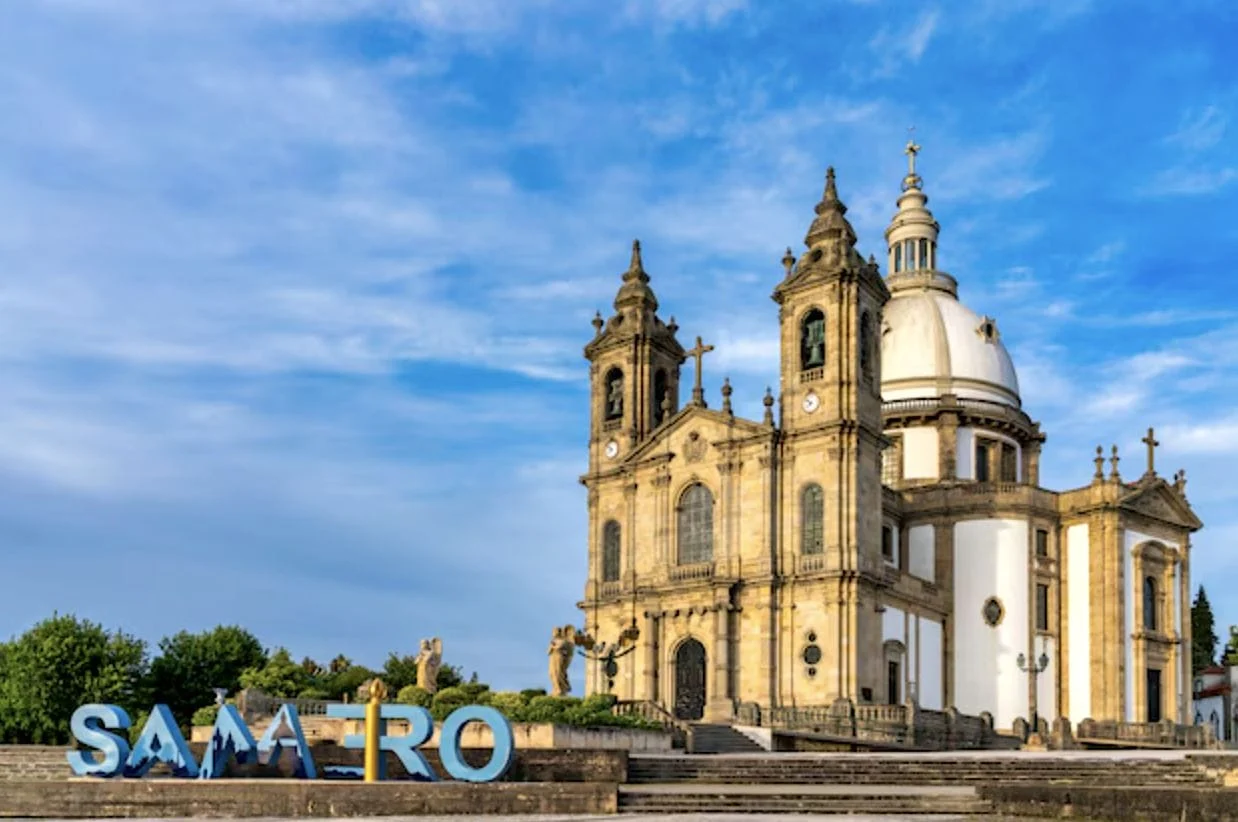
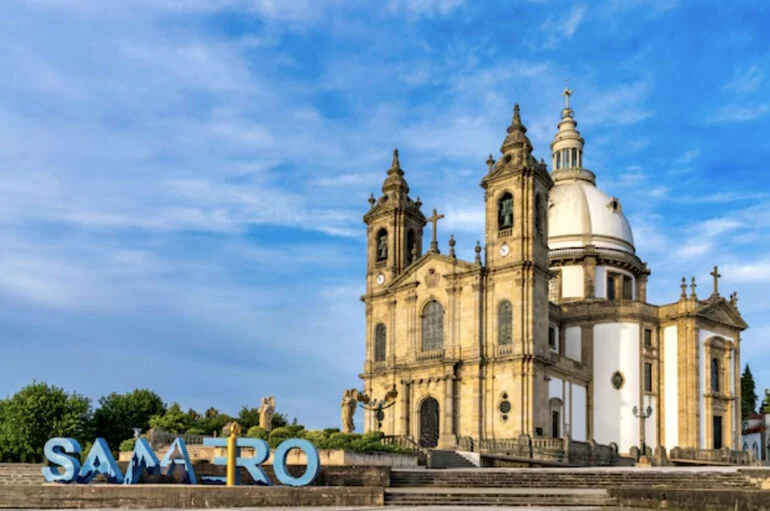
The Santuário do Sameiro presents Via Mariana Luso-Galaica as a route of 382 kilometers divided into 18 stages, linking Sameiro, in Braga, to the Santuário de Muxía.
Throughout the itinerary we cross faith, heritage, nature, traditions and local histories.
The path links several places of Marian devotion existing in northern Portugal and Galiza, creating a cross-border spiritual corridor between the two territories.
Upon arrival at Muxía there is an inevitable connection to the Jacobean universe.
The Galician town is also one of two major destinations associated with the Camino de Santiago de Compostela, together with Fisterra.
Therefore, in certain points, the universes of the Marian and Jacobean pilgrimage end up meeting.
A broken man who still faces difficulties
Being less knowledgeable also has drawbacks.
Helena dos Verdes alert you to some of them after your experience: It is not recommended to perform certain sections without GPS..
The signal is not found in the same conditions throughout the entire route. There are areas where vegetation can make it difficult to identify the signs and points where pilgrims can have problems following the route correctly.
Your responsibility for the promotion of Via Mariana seeks, therefore, a greater implication of the administrations to maintain the roads traveled and improve the infrastructure.
It is an important difference relatively to the main roads of Santiago, where a very developed tourist and pilgrim structure exists.
Deciding to venture out on Via Mariana must be considered.
Portugal and Galiza united again for a pilgrimage
There is, however, something especially interesting in this fracture.
For centuries, the current borders will not prevent the populations of northern Portugal and Galiza from participating in trade, culture, traditions and religious devotions.
Via Mariana recovers part of this historical relationship through a pilgrimage that traverses both territories on foot.
Braga and Muxía become the two extremes of a journey in which the destination matters, but also everything that happens between them.
And perhaps it is precisely that or its greatest attraction.
Do not compete with Santiago. Don't try to transform yourself into a new mass phenomenon. Simply offer another possibility that still understands a pilgrimage as an opportunity to walk, wander, remain in silence and get bored for a few days of everyday noise.
As the Caminho de Santiago continues to receive pilgrims from all over the world, between Portugal and Galiza it discreetly grows apart.
A broken one marked not by the scallop shell, but by the Marian tradition.
And where, even less so, it is still possible to walk for practically no kilometers.