How to eat correctly on the Camino de Santiago: energy, health and enjoyment step by step
Do the Camino de Santiago It is not just walking many kilometers: it is subjecting the body to daily effort that requires adequate nutrition. Eating well is not a luxury, it is a basic necessity to avoid injuries, extreme fatigue and those slumps that make each kilometer weigh twice as much. The good news is that, on the Camino, eating well is easy… if you know how.
Breakfast: the fuel of the day
Breakfast is the most important meal of the day for a pilgrim. A quick coffee is not enough. The ideal is to combine carbohydrates, protein and some of healthy fat. Bread, cereals, fruit, yogurt, eggs or nuts are perfect allies. A complete breakfast makes the difference between starting strong or crawling from the first slope.
Avoid going out on an empty stomach: the body needs energy from the first step.
During the stage: eat little, but well
On the Camino, “smart snacking” works better. Every two or three hours it is advisable to have something light: fruit, bananas, cereal bars, small sandwiches or nuts. This keeps energy levels stable and avoids monumental birds mid-stage.
The hydration is key. Always water, even when you are not thirsty. In summer, add mineral salts or isotonic drinks to replace what is lost through sweat.
The midday meal: without excesses
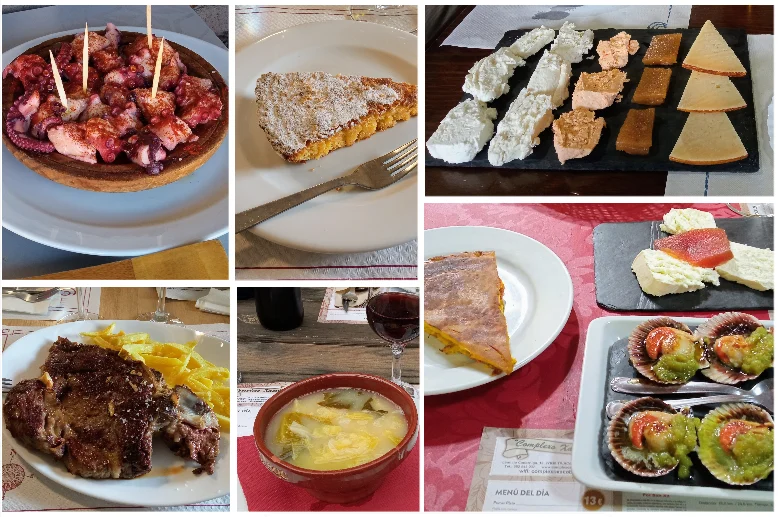
The classic pilgrim's menu is a great option, but you should choose wisely. Prioritize simple dishes: legumes, rice, pasta, potatoes, vegetables and grilled meats or fish. Eating too much or too heavy can turn the last part of the stage into an ordeal.
Less sauces, less fried foods and more “real” food.
Dinner: recover, not punish the body
Dinner should help recover muscles and rest better. Vegetables, soups, creams, fish, tortillas or soft meats are ideal. Avoid excessive alcohol: one drink can relax, but several delay recovery and affect sleep.
Common pilgrim mistakes
Many pilgrims eat poorly due to rush or overconfidence: excess pastries, alcohol, lack of fruit or drinking too little. In the short term it seems like nothing is happening, but the body ends up taking its toll.
Eating well is also part of the Camino
The Camino de Santiago is enjoyed more when the body responds. Eating correctly does not mean giving up gastronomic pleasure, but rather learning to balance tradition, enjoyment and health. Because getting to Santiago is not just a matter of legs... it's also a matter of what you put on your plate.