The city will host the international Jacobean meeting
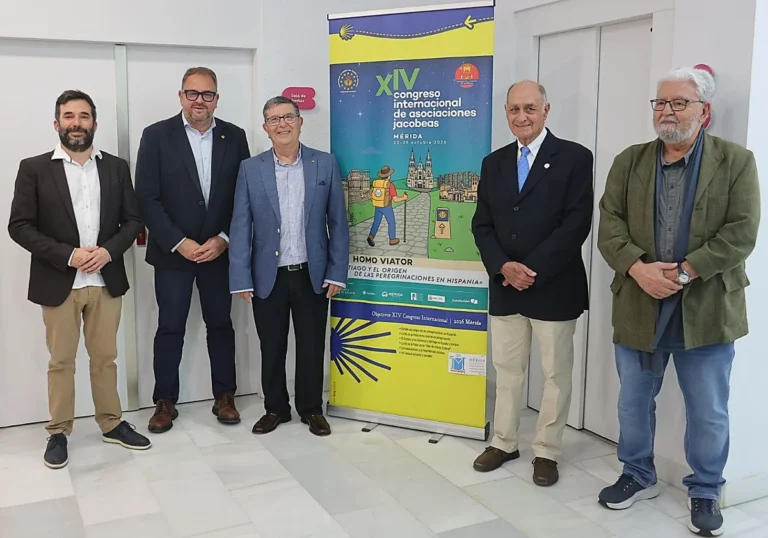
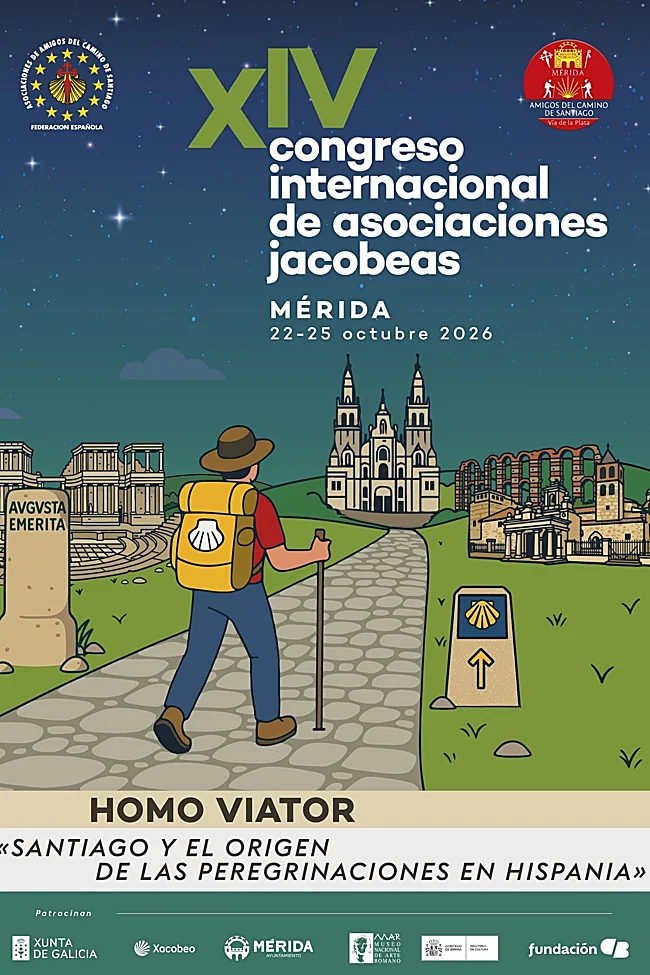
The city of Mérida will become one of the great focuses of the Camino de Santiago in 2026 by hosting the XIV International Congress of Jacobean Associations, a key event for the pilgrim world that will bring together experts, associations and walkers from different countries.
The event will be held from October 22 to 25 and will provide a new boost to the Silver Way and the Mozárabe Way, historical routes that start from or cross the Extremaduran capital.
A key congress for the future of the Camino
The International Congress of Jacobean Associations is not just any event. This is a meeting that is held every three years and brings together veteran pilgrims, researchers and representatives of associations linked to the Camino de Santiago.
Its objective is clear: to share knowledge, analyze the current situation of the Camino and raise the future challenges of one of the most important cultural routes in Europe.
After the edition held in Ourense in 2023, Mérida now takes over as the venue for this international meeting.
Mérida, strategic point of the Camino de Santiago
The choice of Mérida is not accidental. The city has a strong link with the Camino de Santiago, especially through the Vía de la Plata, one of the oldest routes on the peninsula.
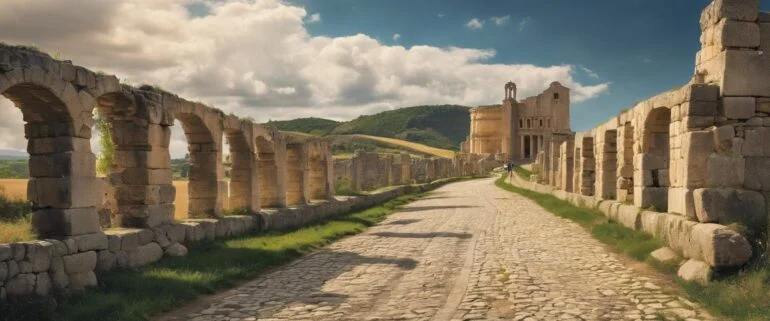
This itinerary, which follows the layout of an ancient Roman road, connects the south with the north of Spain and has established itself as an alternative increasingly valued by pilgrims looking for less crowded routes.
In addition, Mérida has an important historical heritage that reinforces its role as the venue for the congress, being a World Heritage Site and one of the most relevant enclaves of ancient Roman Hispania.
“Homo Viator”, the motto of the congress
The XIV Congress will be held under the motto "Homo Viator. Santiago and the origin of the pilgrimages in Hispania", a reflection on the human being as a walker.
This concept focuses on the essence of the pilgrim, not only as someone who travels kilometers, but as a person in constant search, both physical and spiritual.
The motto connects directly with the Jacobean tradition and with the deep meaning of the Camino, which goes beyond tourism to become a vital experience.
International participation and hundreds of attendees
The congress is expected to bring together hundreds of participants from different countries, consolidating its international character.
Associations, heritage experts, hospital workers and pilgrims will share experiences, studies and proposals regarding the Camino de Santiago.
These types of meetings allow us to coordinate efforts between territories, improve signage, protect routes and keep the essence of the Camino alive in a context of constant growth.
A boost for the Vía de la Plata
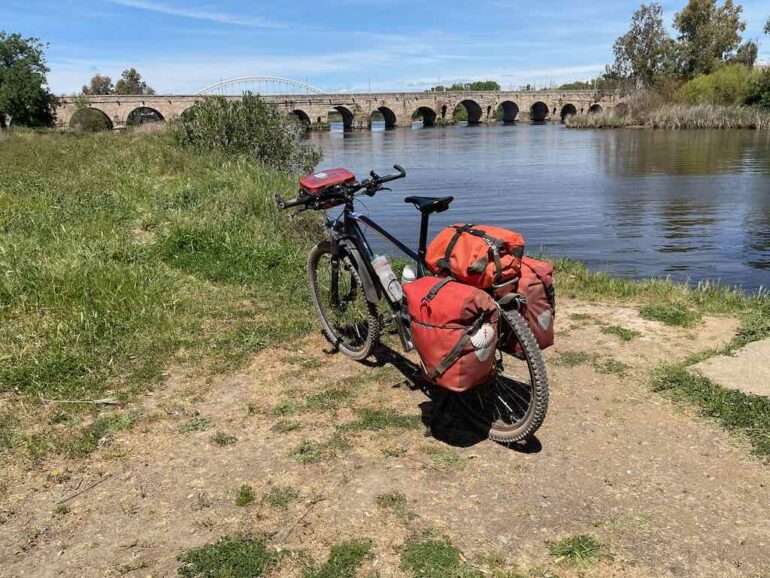
One of the great beneficiaries of this congress will be the Vía de la Plata, a route that in recent years has gained prominence as an alternative to the Camino Frances.
Holding the event in Mérida reinforces the visibility of this route, which combines history, nature and a calmer experience.
In addition, it serves as a prelude to the next Xacobeo 2027, a key moment for the entire Jacobean paths.
The role of Jacobean associations
The associations of friends of the Camino de Santiago have been fundamental in the recovery and maintenance of the routes since the end of the 20th century.
From signage to hostel management or pilgrim care, their work has been key to making the Camino what it is today.
This congress also represents recognition of the collective and voluntary work that sustains the Camino every day.
A Path in constant evolution
The Camino de Santiago continues to grow and transform. Every year it attracts more pilgrims from all over the world, which poses new challenges:
- Pilgrim flow management
- Heritage conservation
- Balance between tourism and spirituality
- Development of alternative routes
Events like this congress allow us to analyze these challenges and seek joint solutions.
Mérida prepares for a historic event
The Extremaduran city is already working on organizing the event, which will be both a cultural and economic opportunity.
During those days, Mérida will become a meeting point for the Jacobean world, reinforcing its role on the map of the Camino de Santiago.
The congress will not only attract specialists, but will also serve to bring the Camino closer to new audiences.