



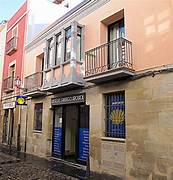
The historic voluntary reception model enters a new stage marked by uncertainty
One of the most recognizable symbols of Jacobean hospitality on the Camino Frances is about to change forever. The Rioja Association of Friends of the Camino de Santiago will stop managing the Logroño Municipal Pilgrims Hostel after more than three decades at the helm of a model based on volunteerism and traditional hospitality.
The decision comes after the launch by the Logroño City Council of a public award process for the management of the hostel, a change that has generated deep concern among the Jacobean community of La Rioja and numerous associations linked to the Camino de Santiago.
For more than thirty years, the hostel on Ruavieja Street has been managed by volunteer hospitaleros under the principle of "pilgrims welcoming pilgrims", a model that has made Logroño one of the benchmarks for traditional hospitality along the entire Jacobean route.
The Riojan Association, which this year celebrates four decades of history, considers that change may put at risk a way of understanding the Camino based on solidarity, shared experience and personalized attention to the pilgrim. Those in charge remember that the hostel is not only an accommodation service, but also the main center of activity of the entity and a fundamental piece of its identity.
The controversy has been aggravated by the temporary closure of the hostel due to works carried out in the middle of the pilgrimage season, a decision that was harshly criticized by the association and by representatives of the national Jacobean movement. Various entities have pointed out that the measure left Logroño without its main public reception point at one of the times of greatest influx of walkers.
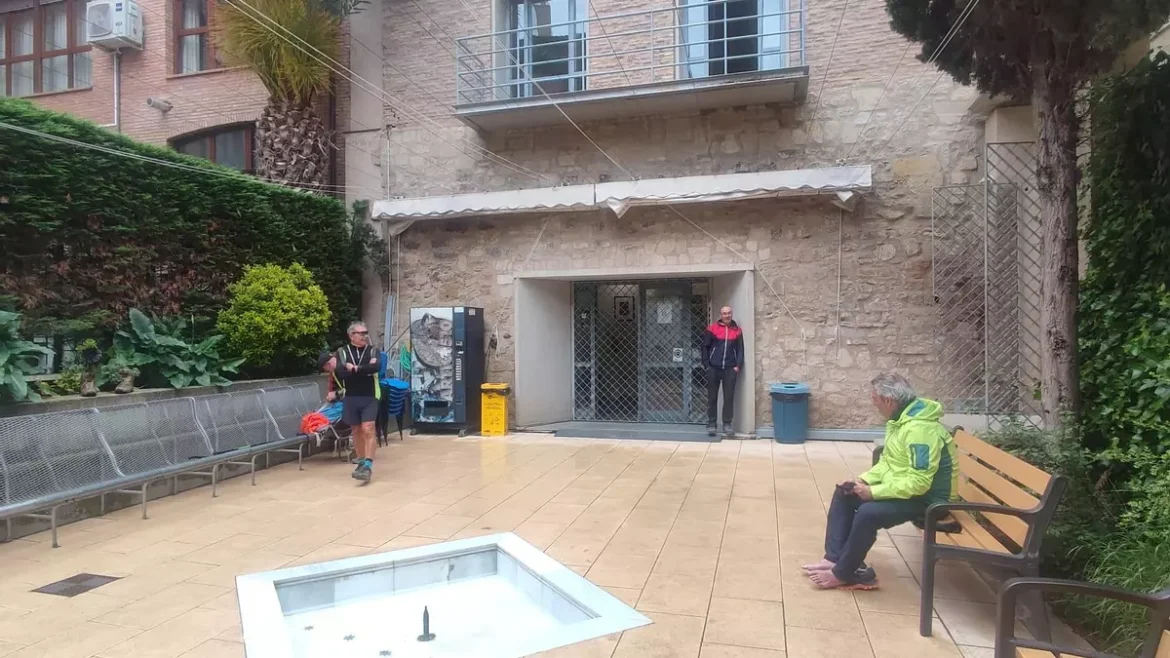
The Camino Francés Federation also expressed concern about the situation, defending the importance of preserving the traditional welcome and the role of associations of friends of the Camino in caring for pilgrims.
The debate transcends the borders of La Rioja. For many Jacobean groups, what happens in Logroño can become a precedent for other municipal shelters historically managed by volunteer associations. For this reason, numerous voices demand dialogue between the administrations and the Jacobean movement to find formulas that allow the essence of traditional hospitality to be kept alive.
Meanwhile, thousands of pilgrims continue to cross the Riojan capital every year, one of the most emblematic stages of the French Way. The question now is whether the new model will preserve the spirit that for decades turned the Logroño hostel into much more than a place to sleep: an authentic pilgrim's house.

















