




The Dutch author, who dies at 92, left in his pages the essence of the modern pilgrim: walking to understand the world
The world of letters says goodbye to Cees Nooteboom, the Dutch writer who made travel a form of thought and words a territory without borders. He has died at the age of 92, leaving behind an extensive work deeply linked to the concept of displacement, identity and inner search.
Nooteboom was not a typical pilgrim, but his literature breathes the same air as the Camino de Santiago: that of the traveler who not only travels kilometers, but also questions. In novels like Rituals or in his numerous travel books, the author explored the human condition from the experience of constant movement. Walking, for him, was not a physical activity but a way of thinking.
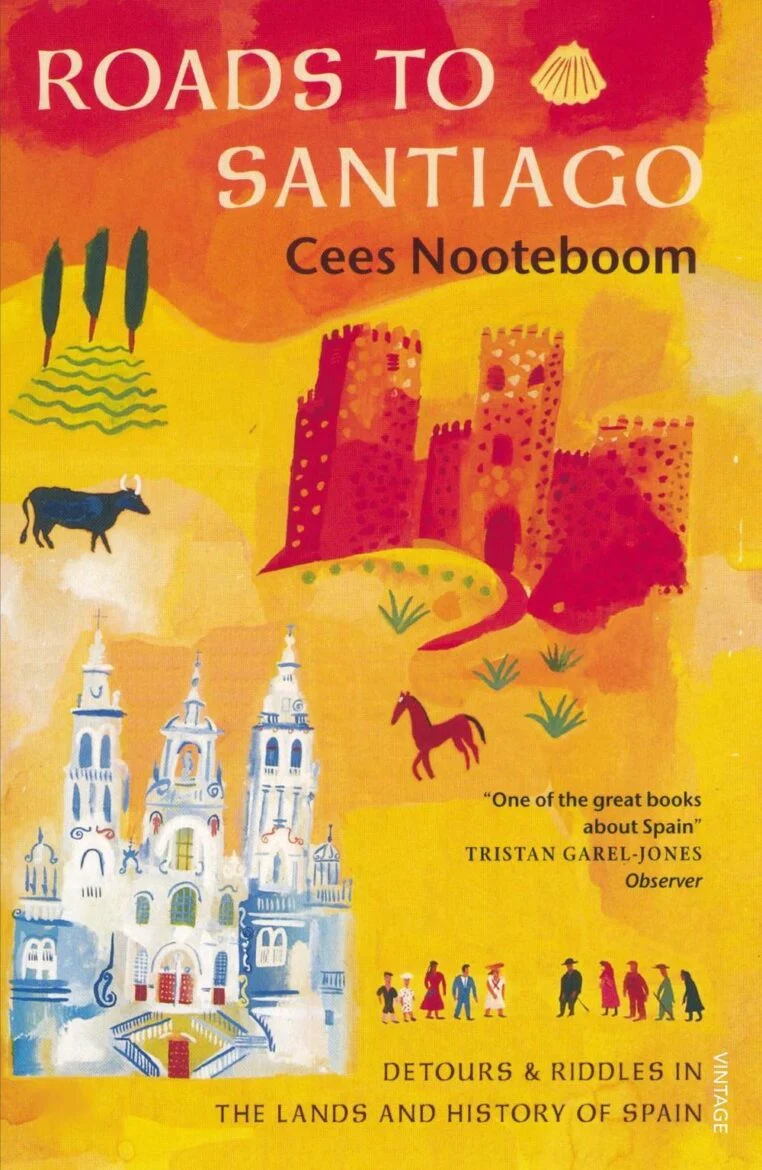
His relationship with Spain was deep and lasting. He lived for long periods in our country and found in its landscapes—Castilian, island, Atlantic—an inexhaustible source of inspiration. It is not difficult to imagine that the Jacobean paths, with their mixture of silence, history and spirituality, fit perfectly into his literary universe.
The Camino de Santiago, beyond its religious dimension, is also a cultural itinerary that has inspired writers of all times. In Nooteboom's work we find that same contemplative look that many pilgrims experience when crossing the plateau or entering the Plaza del Obradoiro. The idea of transit, of crossing between worlds, of conversation between past and present, runs through both its pages and the backpacks of those walking towards Compostela.
His literature reminds us that the journey does not always have a clear destination, but it does have a deep meaning. In times of haste and superficiality, Nooteboom defended slowness, observation and dialogue with memory. Values that are still alive today in each stage of the Camino.
With his death one of the most elegant voices in contemporary European narrative disappears. But as happens with great travelers, his legacy remains open, ready to be explored. Because, at the end of the day, as pilgrims know, the important thing is not to arrive... but to understand what the path whispers to us step by step.

















