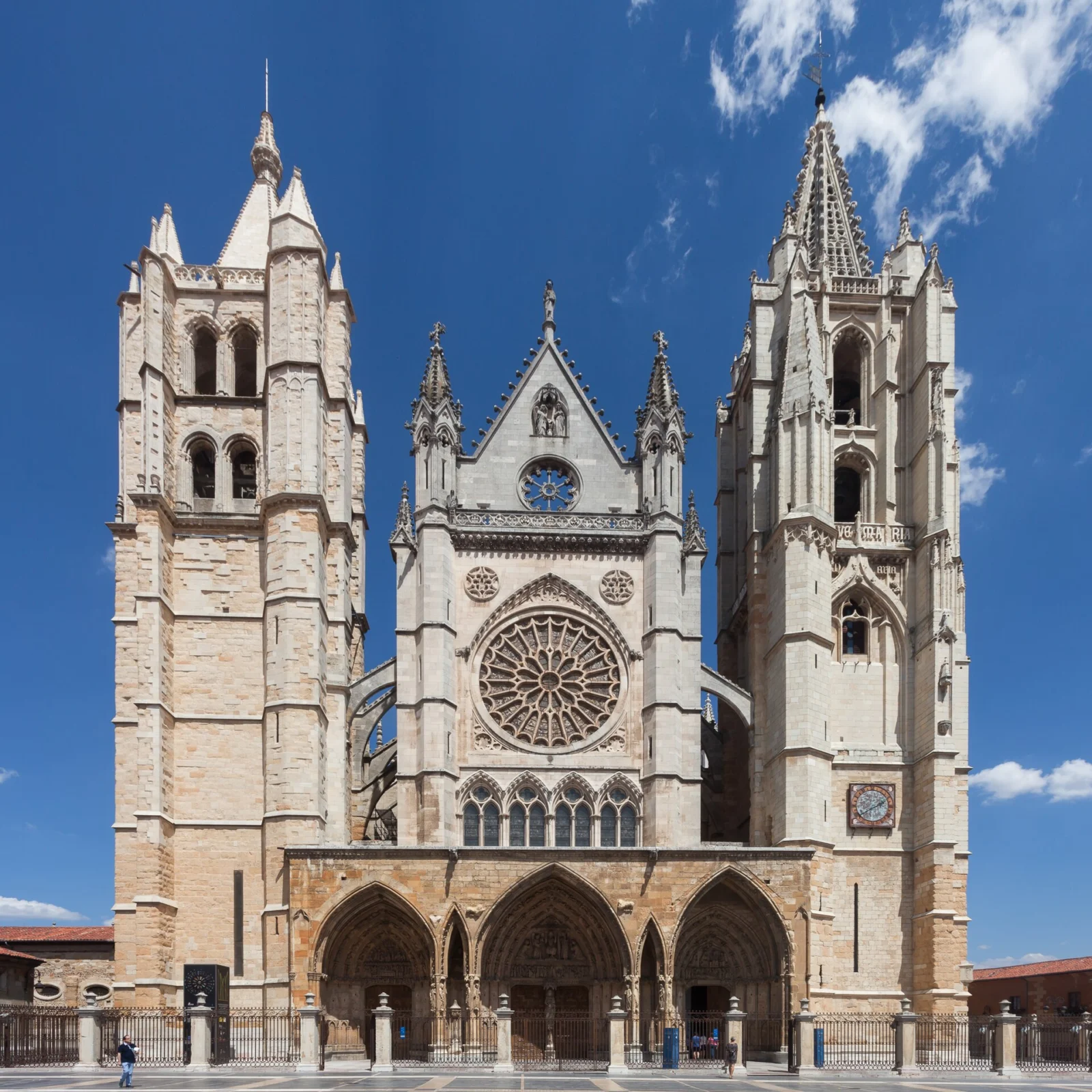
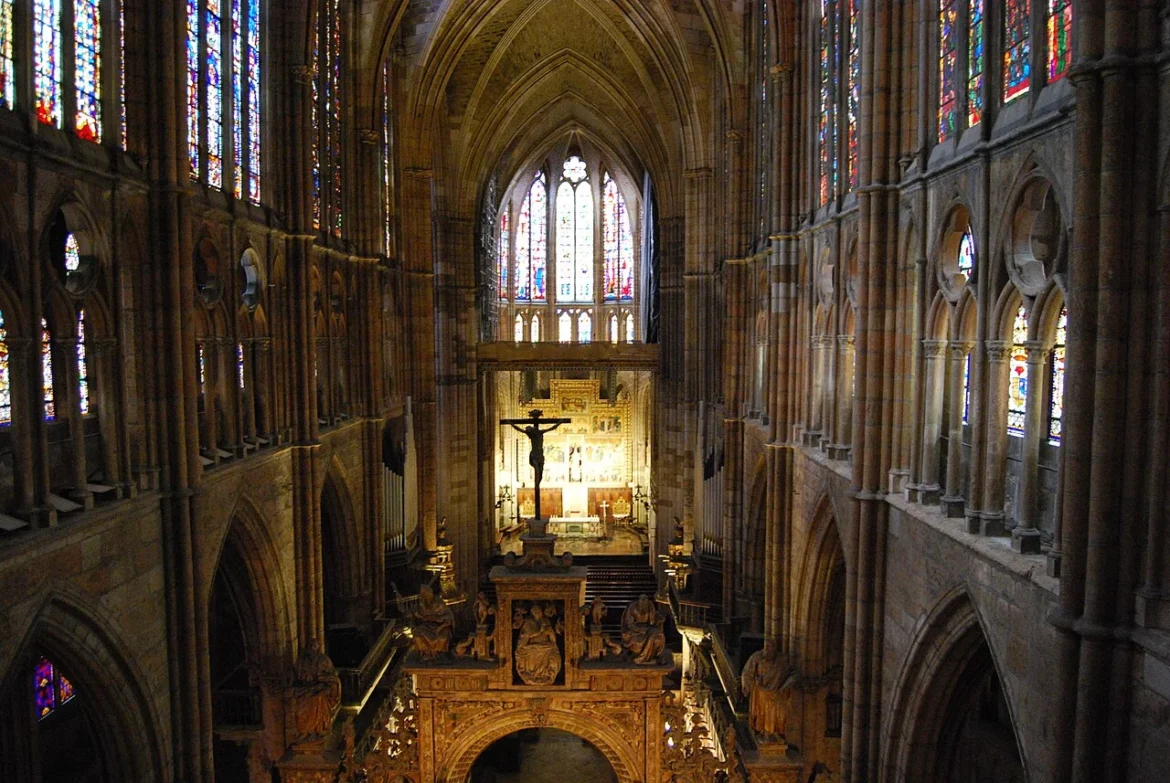
The Cathedral of León is one of the great Gothic temples of the French Way. Its architecture seems designed to open space to light: huge windows, rose windows and thousands of pieces of colored glass transform the interior as the sun changes.
A temple built on centuries of history
The current cathedral was built mainly in the 13th century, during a stage of monumental renovation of the cities of the kingdom of León. Its location has a previous history: Roman buildings, a royal palace and previous temples existed on the site. Historical tradition links Ordoño II with the origin of the cathedral seat in that place.
The Gothic factory responded to French models, but developed its own solutions that made it one of the most outstanding examples of peninsular Gothic. The balance between columns, arches and vaults allowed the construction of walls opened by enormous glass surfaces.
This architectural audacity also caused stability problems. The building underwent various interventions and restoration campaigns, especially during the 19th century. The cathedral that we see today tells both the story of its medieval builders and that of those who later worked to preserve it.
Stained glass, a story told with light
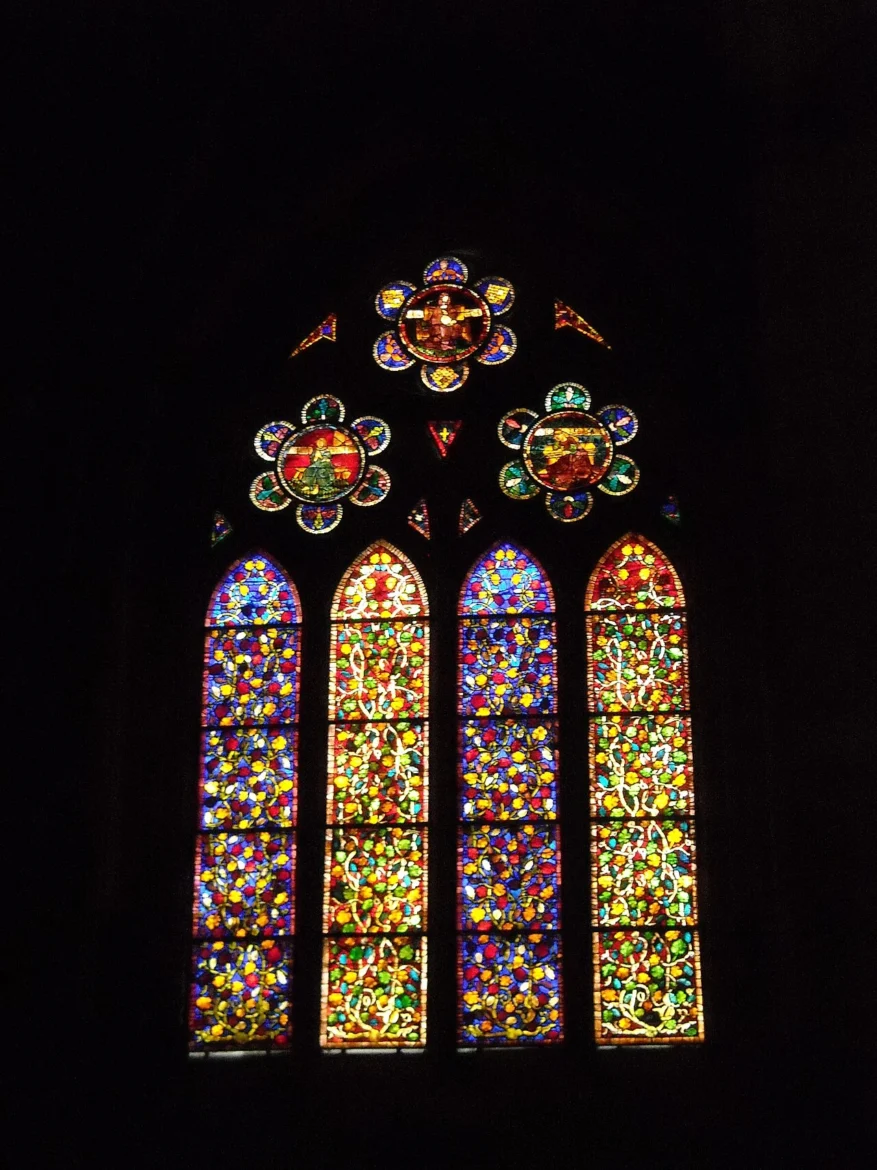
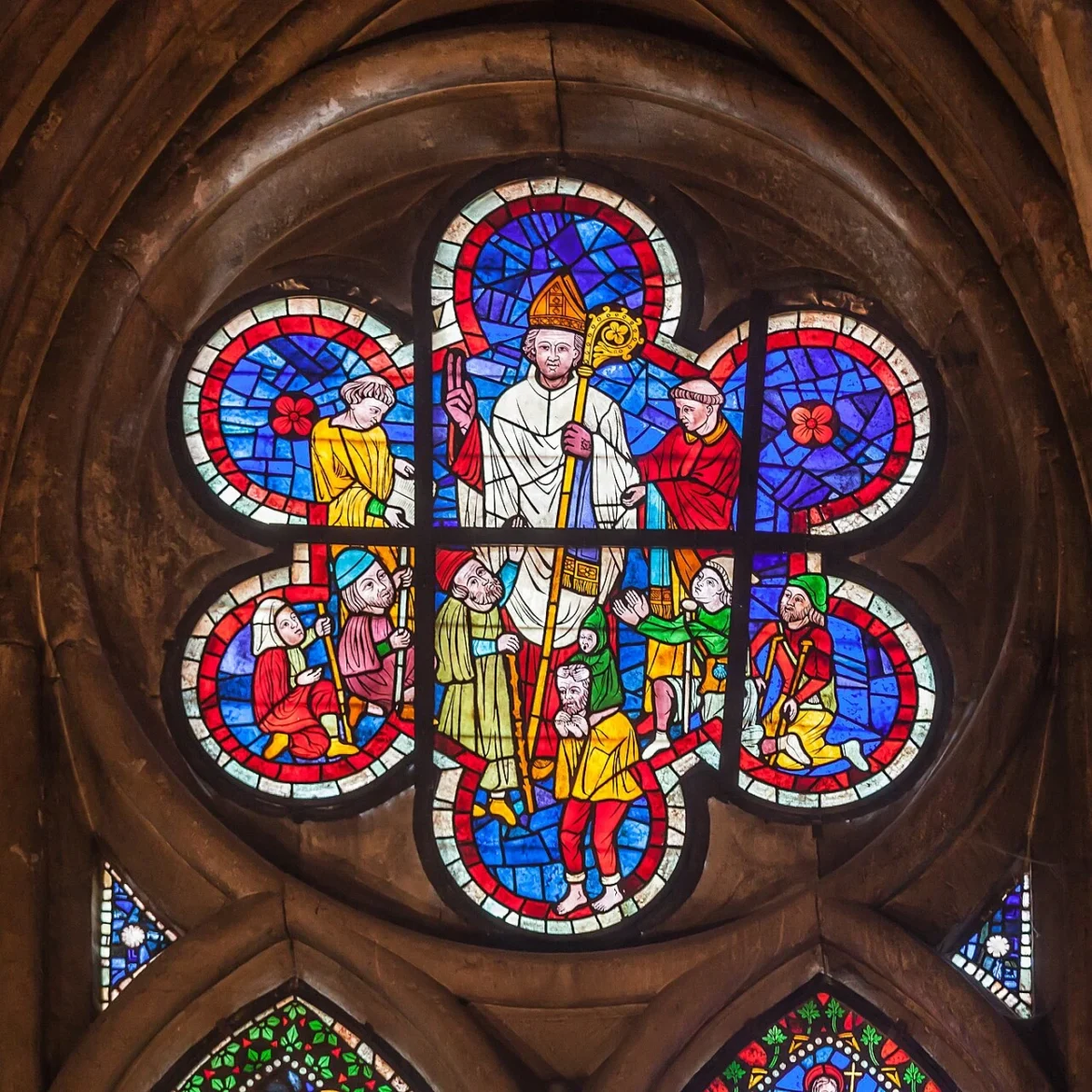
The set of stained glass windows covers an area of nearly 1,800 square meters. Its pieces cover different historical stages, with medieval examples of special importance. The colors and images show biblical stories, figures of saints and scenes from the society of their time.
Among the notable groups is the stained glass window of the Hunt, linked to the 13th century, in which representations of court life, musicians and other figures appear. The Jesse tree at the head also deserves attention, representing the genealogy of Christ, and the large rose windows that illuminate the temple.
The light changes the experience of the visit. The same window can show different shades depending on the time and weather. That is why it is advisable to stop, look at the top of the naves and observe how the colors are projected on the stone.
The facade and interior
The western façade has two towers and a central area with monumental doorways, tracery and a rose window. His sculptures are part of the narrative tradition of medieval art: the architecture supports figures intended to communicate religious teachings and historical memory.
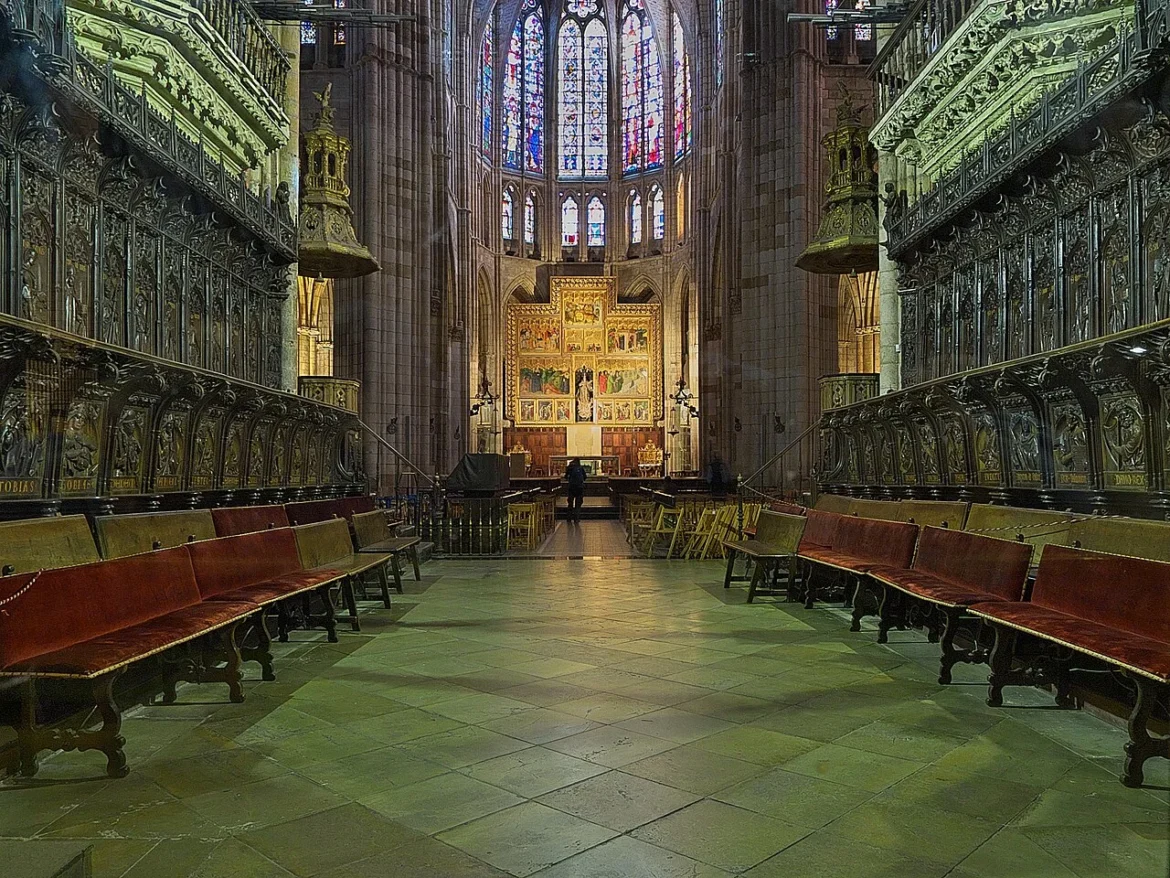
Inside, the elevated naves and the choir allow us to appreciate the relationship between space, structure and light. The ambulatory and the chapels offer more secluded places, while the windows of the central nave show the ambition of those who designed the building.
The restoration of stained glass is a specialized task that requires studying materials, leads and original pieces. Conservation work is not a secondary activity: it allows a fragile complex, exposed for centuries to humidity and thermal changes, to continue being part of the life of the monument.
León, an essential stop for pilgrims
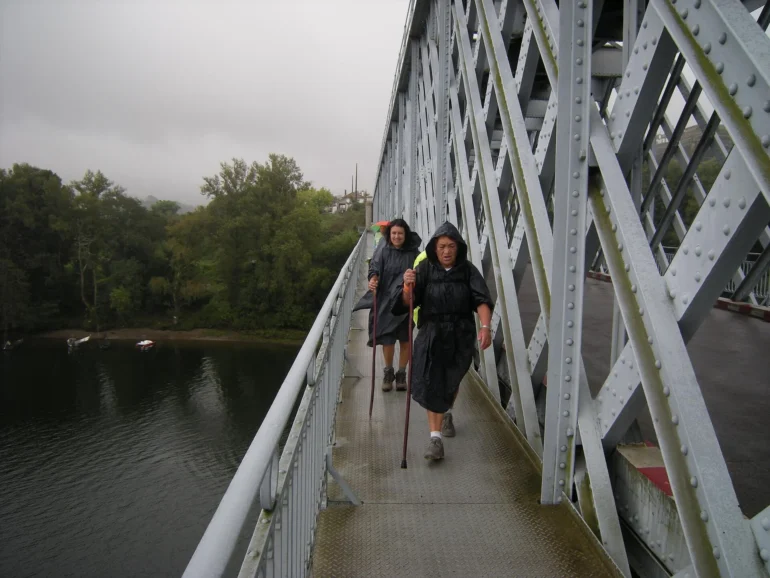
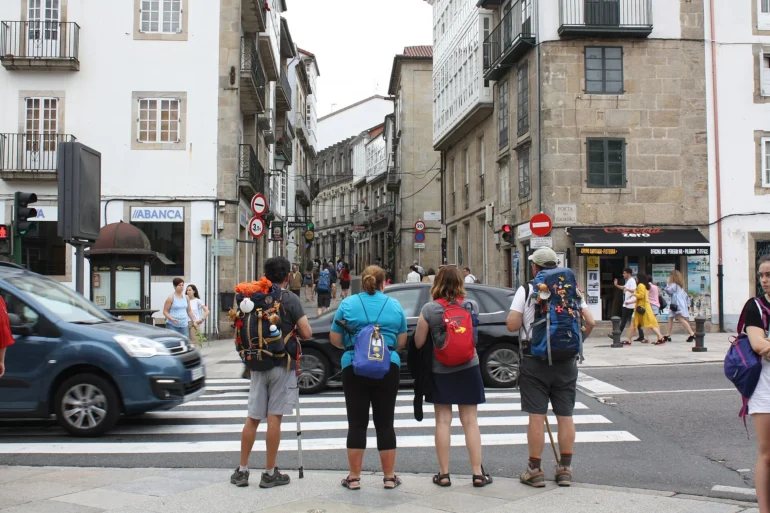
The French Way crosses León, a city with a long tradition of hospitality. The surroundings of the cathedral, the Plaza de Regla and the streets of the historic center offer pilgrims the possibility of stopping before continuing west.
The cathedral is located in the Plaza de Regla. It is advisable to consult the official website for cultural visit schedules, celebrations and updated tickets. It is also advisable to check the conditions to photograph the interior and avoid interfering in worship areas.
The Cathedral of León teaches that the story of the Camino can also be told through the light that passes through a stained glass window.
Sources: León Cathedral, masters and eras; Spain.info, León Cathedral; CSIC, conservation of stained glass windows of the Cathedral of León.
Images: Image: Wikimedia Commons (author and license in the original file).