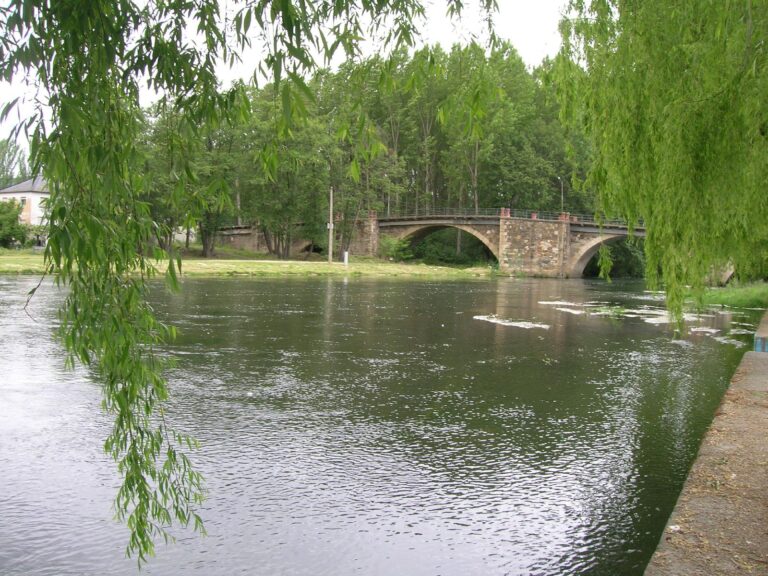
Conservation actions to reinforce road history
The Silver Way, l'un des itinéraires les plus anciens de la peninsule Ibérique, continue d'attirer l'attention en 2026, notamment pour son lien direct avec l'époque romaine. Without spectaculaire announcements or centralized mass projects, plus local and regional initiatives contributing to preserve and value the antique vestiges present on this historic route.
Parmi ces éléments, les bornes milliaires romaines, utilisées autrefois pour mesurer les distances sur les voies impériales, restent un symbole fort de these connexion avec le passé. In certain zones of Estrémadure, notamment author de Cáceres, des efforts de conservation et de signalisation permettent aujourd'hui de mieux identifier et comprendre ces vestiges.
A hérité itinéraire of ancient Rome
La Vía de la Plata does not have anything to do with silver, but with the linguistic evolution of the Arabic term «Balata», which designates a pavée chaussée. This route suit en grande partie un ax utilisé dès l'époque romaine, reliant le sud au nord de la peninsule.
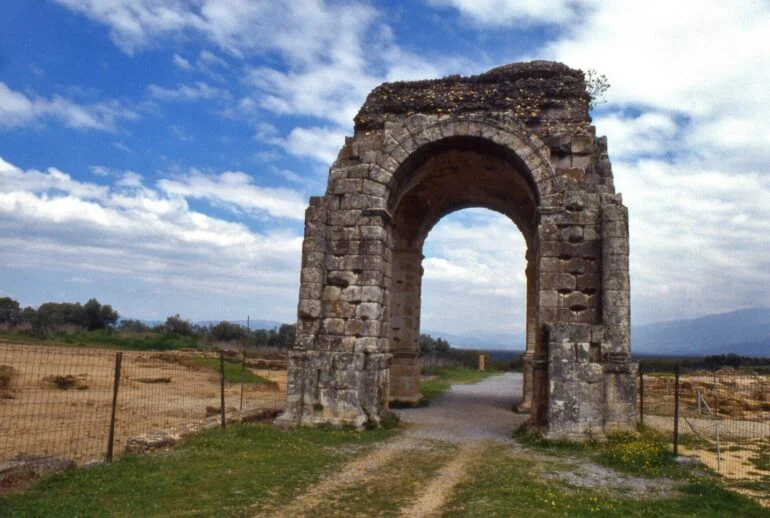
The Romains are structured by territory across a réseau de voies, marked by ponts, de villes et de bornes milliaires. These dernières indicate distances and servaient de repères pour les voyageurs et les troupes.
During this period, certain elements are visible, although they are dispersed or included in the rural environments.

Cáceres et son rôle dans la préservation du patrimoine
The province of Cáceres occupies an important place on the Vía de la Plata. Elle concentre plusieurs tronçons où l'on peut encore observer des vestiges romains, notamment des segments de chaussée et des bornes milliaires.
Les actions menées ces dernières années visent principalement à améliorer la conservation, la signalisation et l'interprétation de ces elements. Il ne s'agit pas de restorations complètes, mais plutôt de travaux de mise en valeur, permettant aux visitaurs de mieux comprendre leur importance.
These initiatives are registered in a durable cultural tourism log, or the objective is to preserve the heritage all in the accessible rental.
An interesting croissant for historical routes
The Vía de la Plata connaît un intérêt renew, partly thanks to the evolution of the profile of voyageurs. From more to more pèlerins and randonneurs search for the itinéraires more frequently than the main routes of the Camino de Santiago.
Ceux qui choisissent cette voie le font souvent pour des raisons précises:
- The rich history of parks
- Contact us directly with rural landscapes
- An experience plus calm and frequent moins
- The authenticity of traversed villages
In this context, the presence of Roman vestiges becomes an important differentiating element.
The milliaire terminals: discret terms of the pass
Les terminales milliaires ne sont pas toujours spectaculaires, but they represent a direct transmission of the organization of the territory in the Roman era.
Souvent cylinders and stones indicate the distance to a city or a reference point. Certain portent encore des inscriptions, bien que souvent érodées par le temps.
Leur conservation pose des défis, notamment en raison de leur exposition aux éléments et de leur dispersion sur de longues distances.
The current actions will protect and signal them correctly, so that they will not be pleased or will be reconstructed.
A different experience of the Camino de Santiago
The Vía de la Plata offers a three-different experience on the other routes of the Camino. She is longer, more demanding and more frequent.
More specifically, it is intended for certain voyageurs.
Here, the road traverses vast spaces, with long periods and many services. Contact with the story is most direct, most médiatisé.
Marcher on this route, c'est also accepter a certain rhythm, plus lent et plus introspectif.
The challenge of conservation in a rural context
The preservation of the heritage along the Via de la Plata largely depends on local collectivities. Contrairement à d'autres itinéraires plus frequentés, les ressources availables sont parfois limitées.
This implies a progressive management, or the improvements are sourced by stages:
- Nettoyage and entertainment of vestiges
- Installation of information panneaux
- Protection against degradation
- Integration in tourist parks
This discrete work is essential to maintain the historical value of the route.

A balance between tourism and heritage
Comme sur d'autres chemins, the Vía de la Plata doit find a balance between touristic development and preservation.
The increase in the name of visitors is positive for local economies, but it is necessary to adapt management to avoid impact on historical sites.
In the case of Roman vestiges, the priority remains long-term conservation.
Conclusion: a chemin pour les passionnés d'histoire
In 2026, the Silver Way will not undergo radical transformation, but will continue to reinforce its identity.
Thanks to the actions of conservation and mise en valeur, Roman heritage remains visible and accessible.
For voyageurs interested in history, this route offers a unique experience, or this next step can reveal a fragment of the past.
More than a simple itinerary through Santiago, the Vía de la Plata is a road that directly relates to the Roman world.