



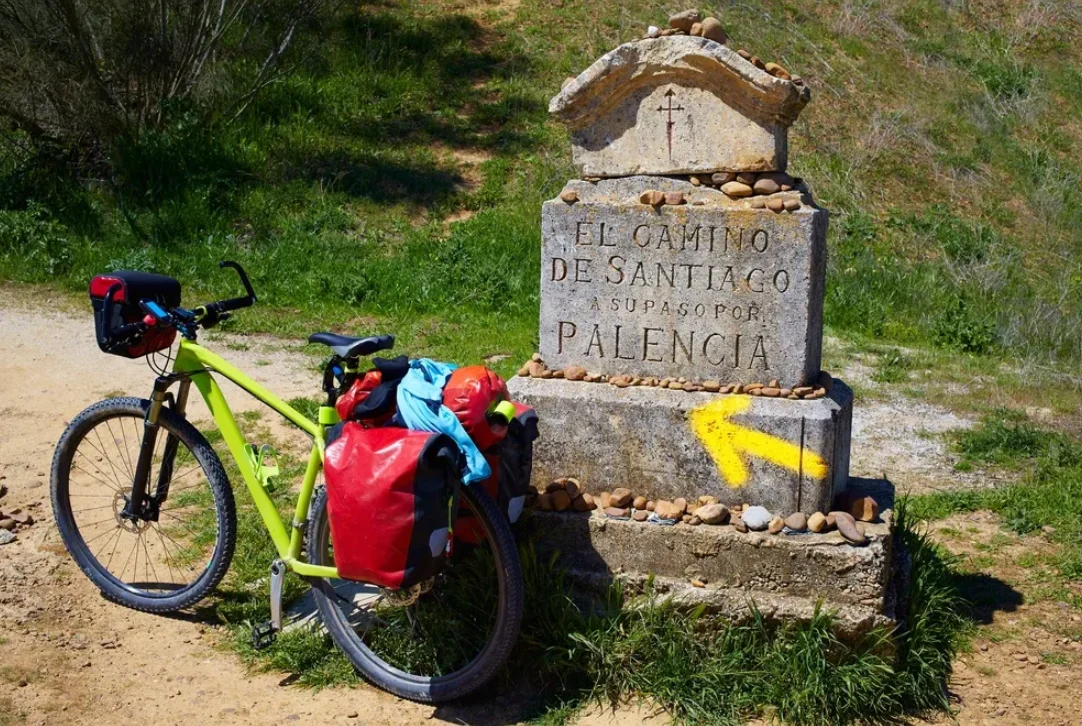
What you should know before embarking on the Camino by bicycle
Every year the number of bicigrinos who decide to travel the Camino de Santiago on two wheels increases. And it's not a coincidence. The bicycle allows you to discover more kilometers, cross spectacular landscapes and live a different, intense and very emotional adventure.
But it also requires preparation.
Many pilgrims believe that doing the Camino by bike is “easier” than walking and the reality is usually quite different. There are tough stages, complicated terrain, changing weather and moments where the head plays as important a role as the legs.
Therefore, if you are thinking about becoming a bicigrino in 2026, here are real, useful and very practical tips that can make the difference between enjoying the Camino... or suffering from it unnecessarily.
Choose the route well before starting
Not all Caminos are the same to do by bicycle.
The French Way continues to be the option most used by bicigrinos thanks to its infrastructure, number of shelters, workshops and services. However, routes such as the Camino del Norte or the Camino Primitivo offer impressive landscapes, although with much more physical and technical demand.
If this is your first experience as a bike rider, it may be a good idea to start with a more comfortable route before embarking on very mountainous routes.
It is also important to study the stages before leaving. There are days where the distance seems short on the map but the unevenness can turn them into real challenges.
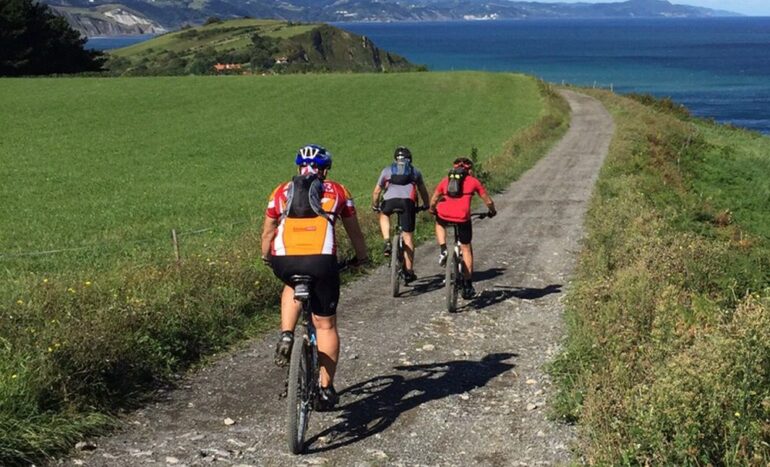
Don't use your bike on the Camino
One of the most frequent errors.
Many pilgrims buy a new bicycle a few days before the Camino and leave without having traveled hardly any kilometers. Bad idea.
Before starting you must get used to the posture, the saddle, the weight of the saddlebags and the behavior of the loaded bike. The ideal is to do several previous routes with conditions similar to those of the Camino.
And something important: you don't need a very expensive bicycle.
A reliable MTB or gravel bike, well reviewed and adapted to you, is usually much more important than carrying the latest model on the market.
The saddle can become your worst enemy
It seems like a minor detail… until the third day.
Many bicigrinos They give up or suffer greatly from problems related to the saddle. Chafing, lower back pain, muscle discomfort or excessive pressure can ruin the experience.
Basic tips:
- Wear quality shorts.
- It has anti-chafing cream.
- Correctly adjust the height of the saddle.
- Make small stops to rest.
- Don't underestimate your night's rest.
The body needs progressive adaptation.
Carry less weight than you think
Another classic mistake.
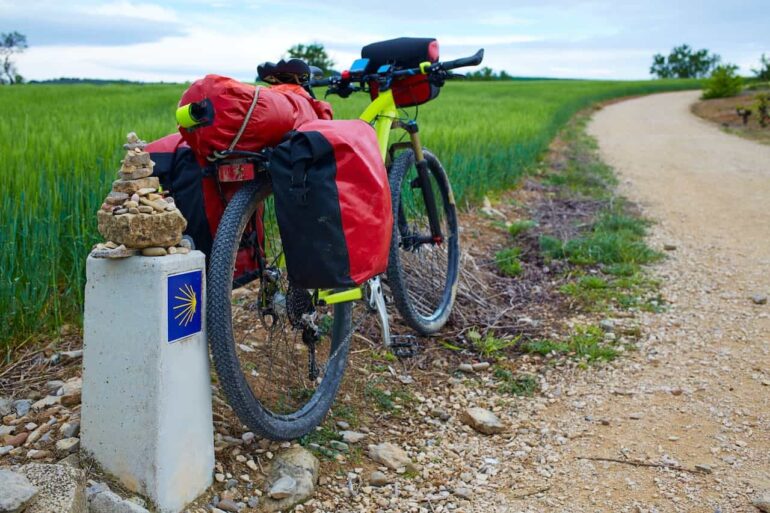
Many bicigrinos fill their saddlebags “just in case” and end up carrying unnecessary weight for hundreds of kilometers.
On the Camino less is more.
Light technical clothing, basic tools, something waterproof and little else. Remember that you will almost always find supermarkets, pharmacies, bars or shops during the tour.
The lighter the bike, the more you will enjoy the climbs and the less you will punish your legs and back.
Be careful with the heat in summer
The Camino de Santiago by bicycle during June, July and August can be very hard.
Especially in areas such as Castilla y León, Extremadura or part of the Meseta, where temperatures can easily exceed 35 degrees.
Many bicigrinos make the mistake of leaving late.
It is advisable to start very early, take advantage of the cool hours of the morning and avoid the hottest moments.
Hydration is essential.
Don't wait until you're thirsty to drink water. Bring mineral salts and check where the springs are before some long stages.
Always respect the pilgrims walking
This point is fundamental.
In some sections there is tension between walkers and bicycles, especially when some cyclists circulate too fast or without warning.
The Camino is not a race.
Respect the pace of pilgrims on foot, reduce speed in narrow areas and politely warn when you need to overtake.
Coexistence is part of the Jacobean spirit.
A greeting, a smile or a simple “buen Camino” often completely changes the atmosphere.
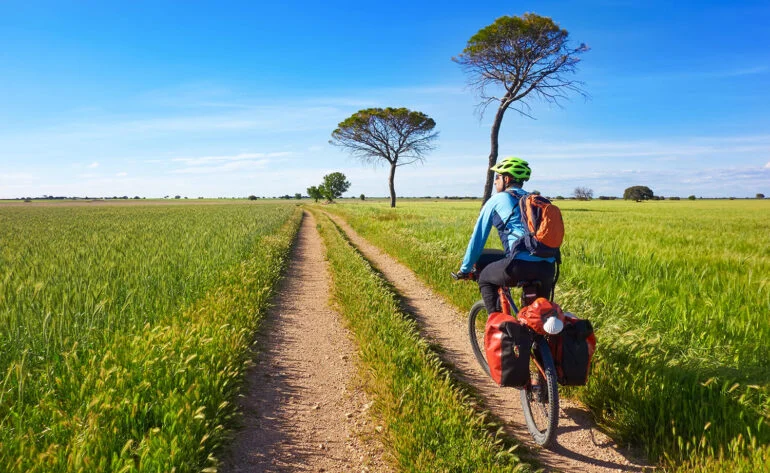
Learn basic mechanics before you go
You don't have to be a professional mechanic, but you do need to know how to solve simple problems.
Punctures, brake adjustment, loose chain or small mechanical failures can appear at any time.
Always carry:
- Spare camera.
- Multitool.
- CO2 pump or cartridges.
- Patches.
- Chain lubricant.
In some stages it can be many kilometers to the next workshop.
And yes, sooner or later almost all bicigrinos end up fixing something in the middle of the Camino.
Book accommodation on certain dates
Although the spirit of the Camino has a lot of improvisation, in 2026 a significant increase in international pilgrims is expected.
In high seasons or weekends there may be problems finding a place, especially on more popular routes.
Many hostels allow you to store bicycles inside, which is highly recommended to avoid theft or damage.
It is also a good idea to ask beforehand if they have a safe area for bikes or plugs if you are traveling with an electric bicycle.
Electric bicycles are growing a lot
More and more people are doing the Camino with e-bikes.
And the reality is that they have opened the experience to profiles that did not dare before: older people, pilgrims with less physical preparation or travelers who simply want to enjoy the landscape more.
Of course, you have to plan the battery well.
Not all hostels have enough plugs and some long stages can require a lot of autonomy.
Having a charger always accessible is mandatory.
The Camino changes when you do it by bike
The bicigrino lives the Camino in a different way.
Landscapes pass faster, distances seem different and emotions change too. There is a constant mix between adventure, freedom and physical effort.
But in the end something similar happens to walking: the Camino ends up teaching things.
Patience. Adaptation. Modesty.
There will be wind, rain, mud, breakdowns and very hard stages.
And also incredible sunrises, unexpected conversations and that unique feeling of arriving each day knowing that you are moving towards Santiago.
Because it doesn't matter if you arrive on foot or on two wheels.
The important thing is still the Camino.

















