



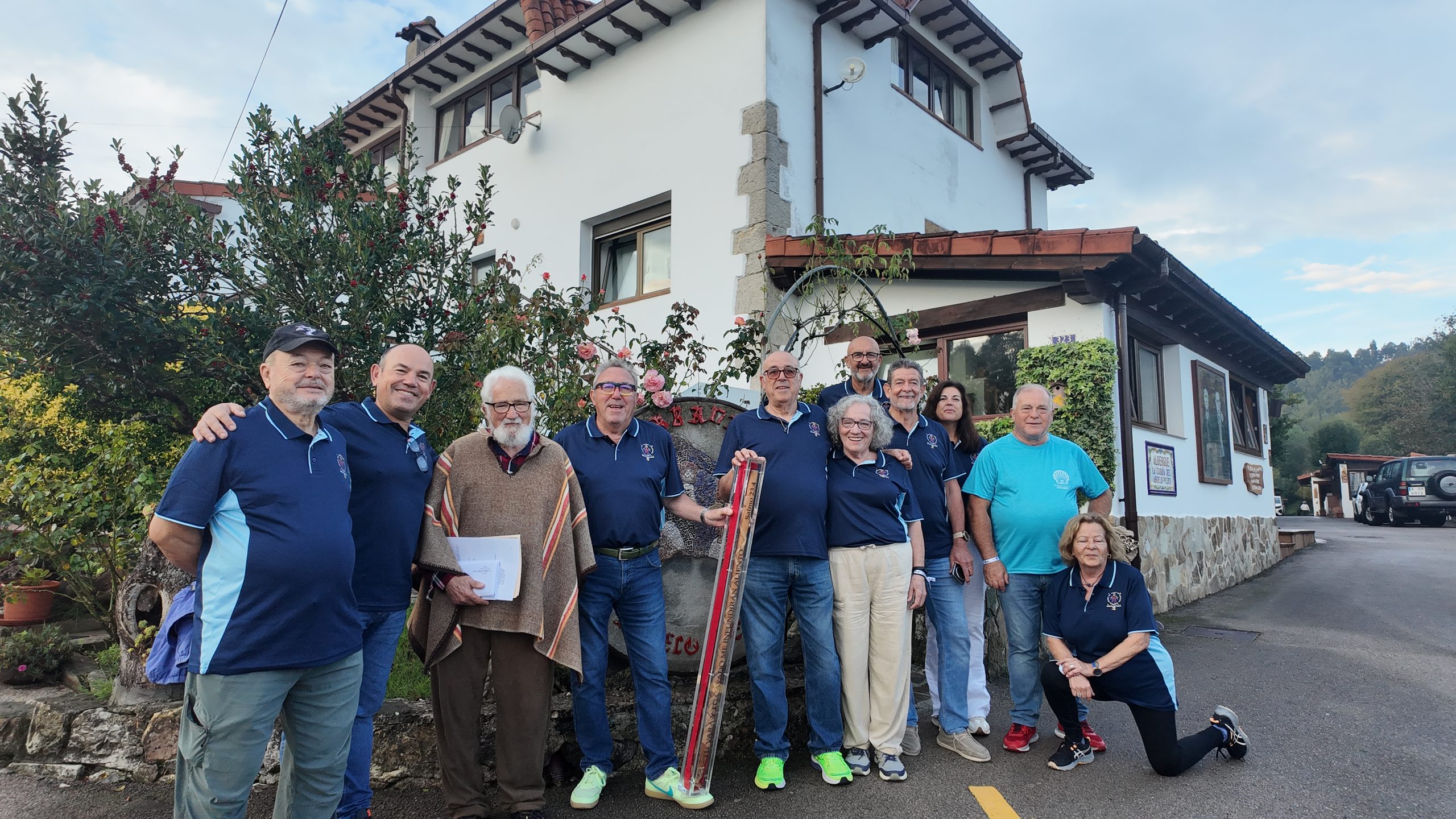
During the first weekend of October, Güemes once again brought together associations, hospitaleros, pilgrims and friends of the Camino de Santiago around the Festival of the Pilgrim Staff, a session that began with a meeting to reflect on the Northern Paths and ended with one of the most symbolic moments of the program: the delivery of the Staff to the association that will continue its journey next year.
During October 2, 3 and 4, Güemes once again demonstrated why it occupies such a special place within the Camino del Norte. The Pilgrim Staff Festival turned this small Cantabrian enclave into a meeting point for people coming from different places, all united by the same idea: keeping the spirit of the Camino alive beyond the numbers, the seasons and the kilometers.
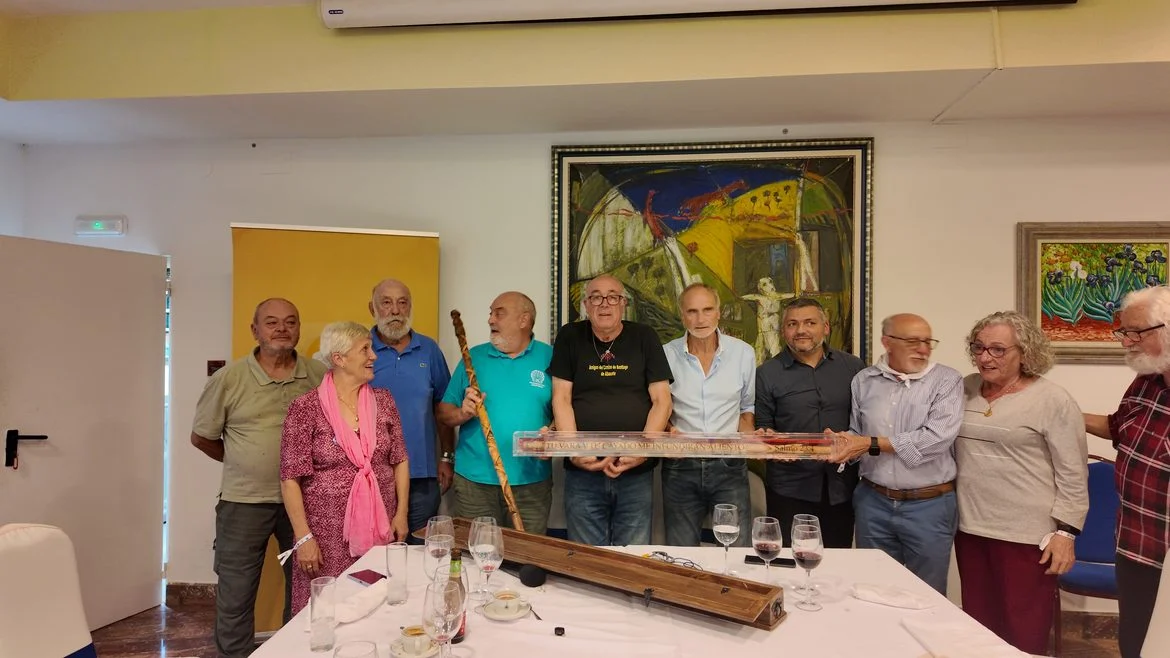
The days began with an act of reflection around the Northern Paths. Several representatives linked to the Jacobean world participated in a public meeting in which they spoke about the present of the routes, the work of the associations and the need to preserve what gives meaning to the Camino. The atmosphere was close, more similar to a conversation between people who have been working in the field for years than a formal conference.
That start set the tone for the weekend very well. The Bordón Festival did not want to be only a celebration, but also a space to listen, share experiences and think about the future of routes that change over time. The growth of pilgrims, heritage conservation, hospitality, signage and the role of small towns were some of the issues that hovered over the conversations.
Güemes, a place marked by hospitality
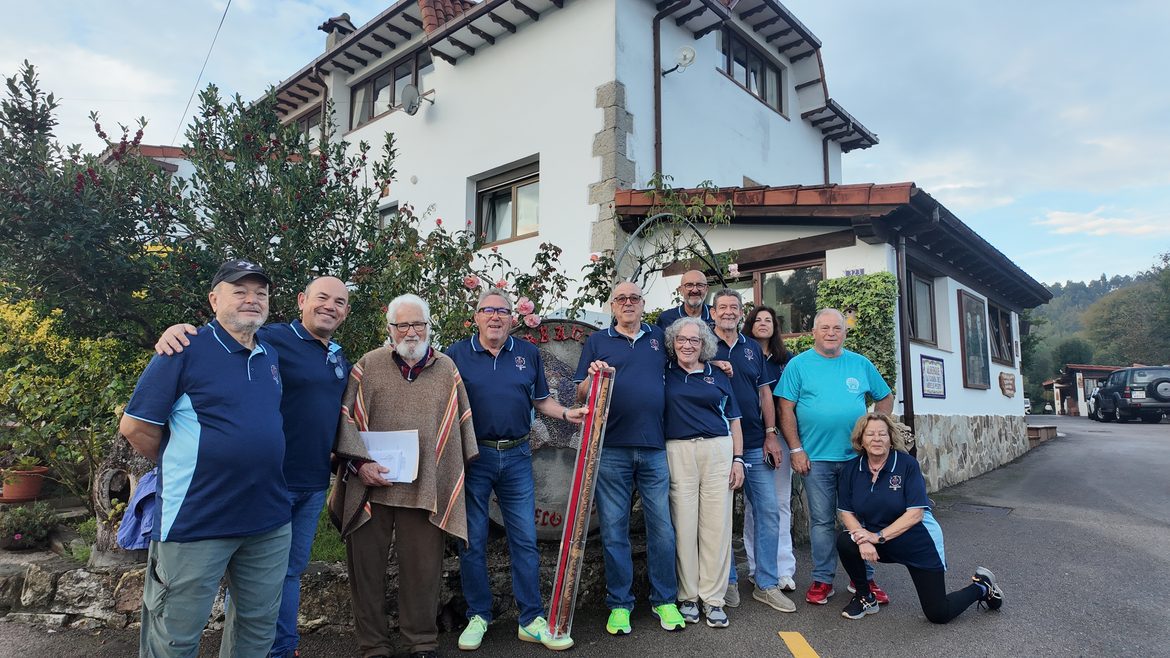
Talking about Güemes within the Camino de Santiago is talking about hospitality. For decades, thousands of pilgrims have passed through this place and found more than just accommodation. They have found conversation, welcome, shared food and a way of understanding the Camino based on closeness and humane treatment.
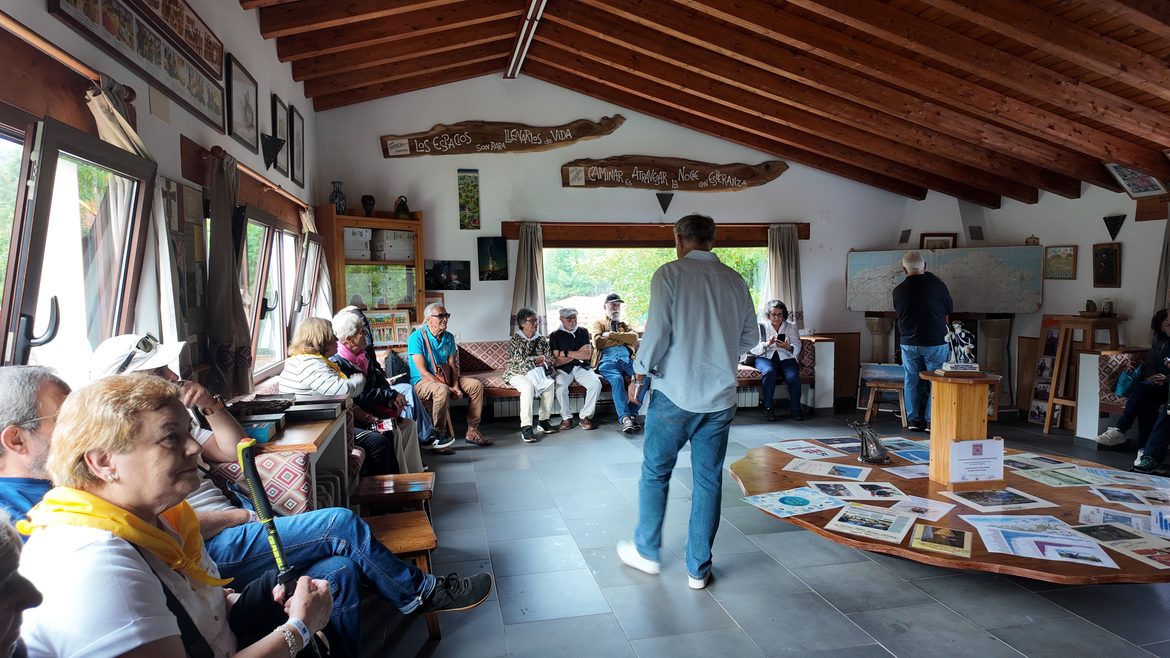
That spirit was very present throughout the weekend. The images of the conference show shared tables, interventions before the attendees, relaxed moments and numerous meetings between people who, in many cases, have been linked to Jacobean associations for years.
The party had precisely that mix of conviviality and reflection that characterizes many of the most authentic encounters of the Camino. There was time to talk about projects, remember experiences and meet again with people from other associations. But there was also space to simply sit around a table and share a moment without rushing.
The Pilgrim Staff, much more than a staff
The great symbolic protagonist of the meeting was the Pilgrim Staff. It is an object that passes from one Jacobean association to another and that remains for a period in the custody of each entity. Its importance is not in the material value, but in the history that it accumulates as it travels through different territories.
In 2025, the Bordón reached from Irún to Güemes. During 2026 it has remained linked to Cantabria and the activities developed around the Camino del Norte. Now, after a year of custody, the time has come to continue the journey.
This relay represents one of the most beautiful ideas of this tradition. El Bordón does not definitively belong to anyone. It is received, cared for, incorporated into the life of the association and, when the time comes, it is handed over again so that it continues walking.
From Güemes to Albacete
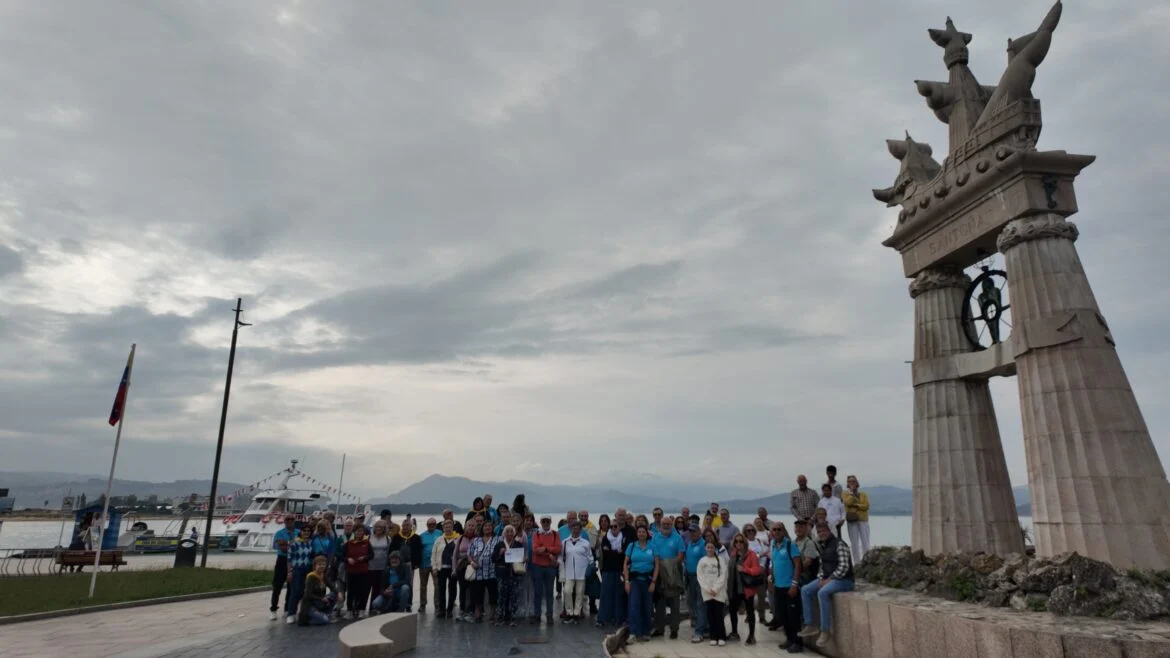
One of the most important moments of the conference was the delivery of the Staff to the Albacete association, which will be in charge of guarding it during the next period. The handover involves much more than a change of hands. It also implies assuming the responsibility of keeping the symbol alive, organizing activities around it and giving it continuity before its next delivery.
The intention is for the Bordón to once again become a common thread for different activities during the next year. In this way, it will continue to serve to bring the Camino de Santiago closer to new audiences, involve associations and pilgrims and maintain the link between very different territories.
The route well summarizes the essence of the initiative: from Irún to Güemes, from Güemes to Albacete and, later, to another place. Each stage adds a new story and each association leaves a small part of itself in that object.
The value of Jacobean associations
The Bordón Festival also allowed the work of the Camino de Santiago associations to be valued. Many of them have been recovering routes for decades, marking paths, organizing cultural activities, defending heritage and accompanying pilgrims.
Much of this work is done voluntarily and often goes unnoticed. However, its importance is enormous. Behind a yellow arrow, a recovered route or an activity in a small town there are usually people who have dedicated time and effort to keep the Camino alive.
Meetings like the one in Güemes allow us to recognize this work and, at the same time, strengthen the ties between associations. They are also an opportunity to exchange experiences and together face problems that affect many routes.
A weekend that summarizes the spirit of the Camino
The days left very different images, but they are all part of the same story. There were discussion tables, meetings, interventions, shared meals, photographs, conversations and moments of celebration. And, in the end, a Bordón that changed hands again.
That gesture perfectly summarizes what happened in Güemes.
The Camino de Santiago is not built solely by walking. It is also built by talking, listening, caring and transmitting to others what we have received.
For a few days, Güemes was once again precisely that: a place where the Camino is thought about, shared and lived.
El Bordón will now continue its journey towards Albacete, but its passage through Cantabria is already incorporated into the history of this tradition.
And perhaps that is one of the best metaphors of the Camino itself.
Nobody stays with him forever.
We received it for a while.
We take care of it.
We share it.
And then we hand it over to those who come after.
Buen Camino, Bordón.



















