



![Backpack, hat, and muddy hiking boots on a wooden table by a rainy window, with a map and seashell nearby.]?](https://caminodesantiagortv.com/wp-content/uploads/2026/06/33388fb8-b193-4f46-b876-31be691b4039-2026-06-04-33388fb8-b193-4f46-b876-31be691b4039.png.webp)
Some pilgrims experience sadness after fulfilling their Jacobean dream
Arriving in Santiago de Compostela is usually one of the most exciting moments in a pilgrim's life. After days, weeks or even months walking, entering the Obradoiro Square It is usually filled with tears, hugs, photographs and a huge sense of achievement.
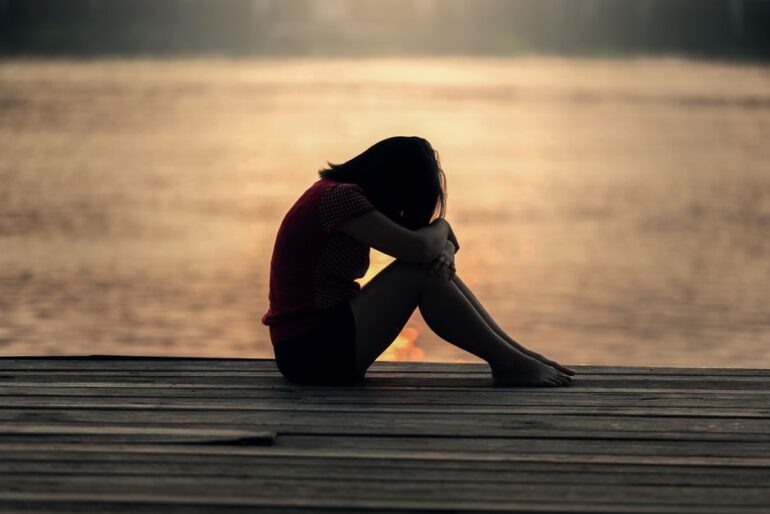
However, for some walkers, the excitement of arrival gives way to something unexpected: a feeling of emptiness, nostalgia or sadness upon returning home. This phenomenon is popularly known as “post-Camino depression” or “post-Camino syndrome.” Although it is not an official medical diagnosis, more and more pilgrims admit to having experienced these emotions after completing their pilgrimage.
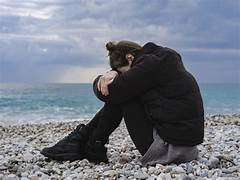
Why does it happen?
During the Camino de Santiago, life is greatly simplified. Each day has a clear objective: walk, eat, rest and continue moving forward.
The usual worries seem to be left behind. The mobile phone loses prominence, social networks take a backseat and the connection with nature, with other pilgrims and with oneself becomes more intense.
When the pilgrim returns to his daily life, the contrast can be very strong. Work obligations, schedules, traffic, rush and responsibilities suddenly reappear. For some people, this transition is more difficult than expected.
A more common feeling than it seems
In pilgrim groups, specialized forums and social networks there are thousands of testimonies from people who claim to have felt melancholy after finishing the Camino.
The most common symptoms are usually:
Nostalgia for the experience lived.
Feeling of emptiness or loss of purpose.
Constant desire to walk again.
Difficulty adapting to routine again.
Sadness when remembering fellow travelers.
Feeling that something important has ended.
Many pilgrims explain that during the Camino a simple and authentic way of life is generated that is difficult to find on a daily basis.
The Camino transforms people
Various psychological studies have analyzed the emotional impact of the Camino de Santiago.
Research such as the Ultreya Project has observed significant improvements in psychological well-being, stress reduction and increased life satisfaction after performing the pilgrimage. However, precisely because the experience is usually so intense and positive, the return to normality can generate a kind of "emotional hangover."
Many pilgrims feel that they have changed during the Camino, while everything around them remains exactly the same.
This clash between personal transformation and daily routine may explain part of this feeling of sadness.
It is not a disease
Experts remind that the so-called post-Camino depression should not be confused with clinical depression.
In most cases this is a normal emotional process associated with the end of a deeply significant experience. It is comparable to the nostalgia that some people feel after a great trip, an important stage in life or a particularly intense experience.
In fact, many pilgrims end up finding a positive way to manage this feeling.
How to face the return
Among the most common recommendations are:
Maintain contact with friends of the Camino.
Share photographs and memories.
Continue taking walks regularly.
Participate in Jacobean associations.
Plan future pilgrimages.
Integrate some of the lessons learned during the route into daily life.
For many walkers, the Camino does not really end when they reach Santiago. A new stage simply begins.
When the Path continues within you
There is a frequently repeated phrase among pilgrims: «The Camino does not change when you arrive in Santiago; "It changes when you come home."
Perhaps there lies the explanation for this phenomenon.
The Camino de Santiago is not only a hiking route or a tourist trip. For many people it is an experience of personal growth, reflection and discovery.
And when something so intense ends, it is normal to feel a certain sadness.
Perhaps that is why thousands of pilgrims return again and again to the Jacobean routes.
Not because they miss getting to Santiago.
But because they miss the person they were while walking.

















