The Galician writer describes the route of the Camino di Santiago in European history
The Galician writer Francisco Narla has brought to the center of attention the historical and cultural importance of the Cammino di Santiago with a rifle that has raised interest in the pellegrini, storici e appassionati of the Jacobean world.
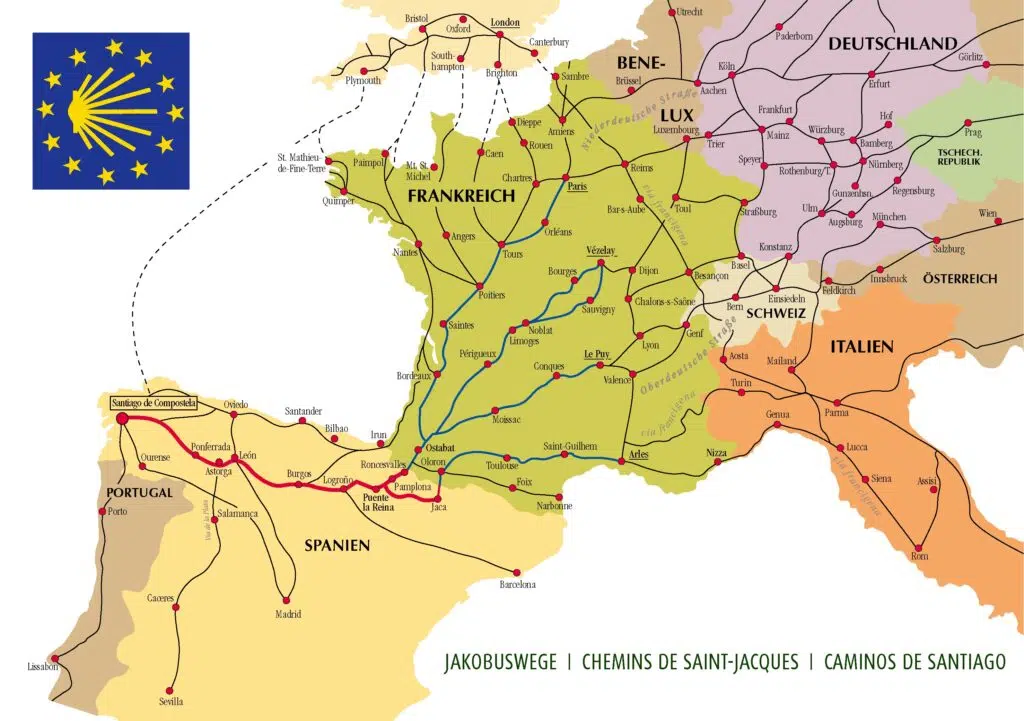
During the presentation of his new romance Ultreia, the author has supported a thesis that many studios share in time: the Camino di Santiago is not the same as a via di pellegrinaggio, but one of the fundamental elements in the construction of European identity.
Secondo Narla, «L'Europa si è costruita pellegrinando, pellegrinando verse Compostela».
The dream parole arrived in a moment of forte crescita delle rotte jacobee, which continued to attire another year of migliaia di pellegrini provenienti from all the world.
A trilogy dedicated to the Camino di Santiago
Francisco Narla has dedicated the last few years to an ambitious letter trilogy centered on the story of the Camino di Santiago and the Cattedrale of Santiago de Compostela.
Il primo volume, Ultreia, transports the letter in the Compostela of the XII century, a period characterized by profound political, social and religious changes.
The plot does unfold during the archive government of Diego Gelmírez and in the context of the complex relationship with Queen Urraca, whose figure is important for understanding the ancestry of Santiago in the Middle Ages.
The opera presents the first chapter of a trilogy that will continue with Suseia and if it will conclude with Santiago, offering a broad vision of Jacobean history.
Il Cammino as a European cultural rete
Le dichiarazioni di Narla vanno ben oltre la letteratura.
The writing below is like the Cammino of Santiago and has been working for some time as a real challenge to the cultural change among the European populace.
Migliaia di pellegrini traversavano regni, frontiere e territori diversi, condividendo idee, conoscenze, tradizioni, arte e innovazioni.
Molti storici ritengono che le vie jacobee abbiano avuto un ruolo fundamentale nella diffusione della cultura europea medievale.
Lungo il Cammino sorsero città, ospedali per pellegrini, monasteri, ponti e opera d'arte che ancora oggi testimoniano l'enorme influenza esercitata dalla pilgrimage of Compostela.
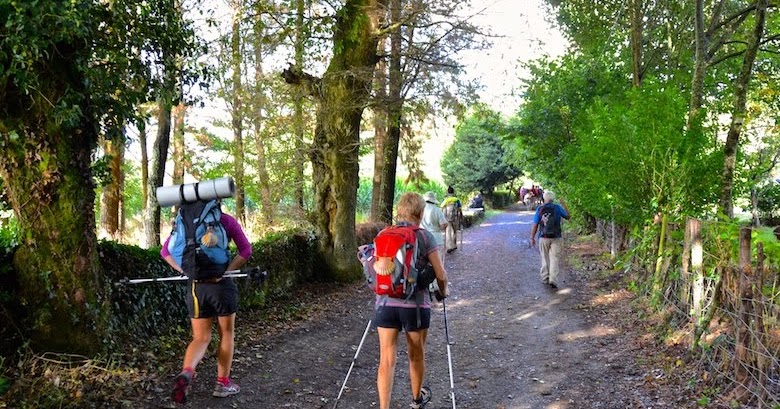
Three thousand years of personal transformations
Secondo Francisco Narla, the success of the Camino does not follow its history.
For another thousand years, the Camino di Santiago continues to transform the life of the person.
The skin of my friends, like those of the past, is a journey that goes beyond the simple physical experience.
Many of us have found new friends, moments of rifles, personal growth and a diverse perspective of our own life.
This capacity of a person coming from culture and different countries represents ancora and one of the strangest characteristics of the Camino.
The meaning of “Ultreia”
Also the title of the romance has a strong legacy with the Jacobean tradition.
"Ultreia" was one of the salutis used by medieval films during the journey to Santiago.
The end is translated as “I will walk another” or “I will continue along the way”, an invitation to continue the journey not only physically, but also spiritually.
Insieme all'espressione «Suseia», accompagnava i pellegrini longo le antiche strade d'Europa.
Oggi the famous “Buen Camino” has captured the post of this storiche form, maintaining but the strong spirit of incoraggiamento and fratellanza.
A path that is alive and well
Francisco Narla's parole arrived in a particularly positive period on the Camino de Santiago.
The diverse rotte jacobee continues ad attirare pellegrini from all parts of the world, confirming that the Compostela phenomenon is più vivo che mai.
History, culture, spirituality, nature and human discovery continue to render the journey one of the most significant and fascinating experiences of Europe.
And forse proper why this is the parole of the writer found so much laughter:
«L'Europa is building a pilgrimage to Compostela.»