New study reveals how spirituality, heritage and well-being drive the sector
Religious tourism in Spain is undergoing a silent but enormous transformation. What for decades was mainly associated with traditional pilgrimages and faith journeys, today has also become an experience related to emotional well-being, cultural tourism, disconnection and personal experiences.
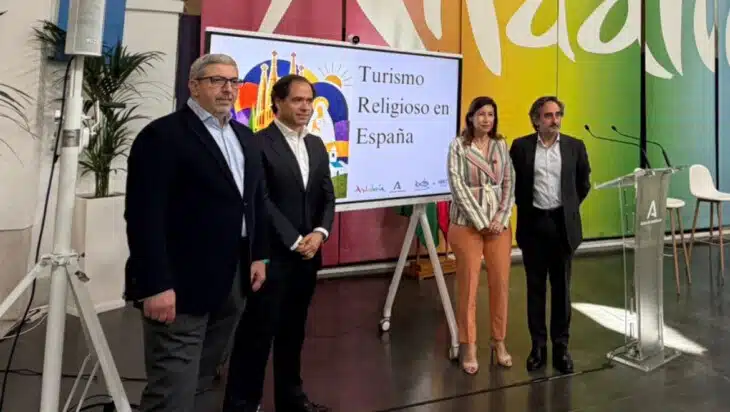
That is one of the main conclusions of the study "Religious tourism in Spain. A journey inside a segment in transformation", presented this week in Andalusia by ObservaTUR together with the specialized consultancies ReiniziaT and Task ONE. The work has had the support of Turismo de Andalucía and IAG7 Viajes, a group that includes firms specialized in pilgrimages and the Camino de Santiago.
The presentation took place in Malaga and brought together tourism media, institutions and experts from the sector at a time when spiritual and religious tourism is once again growing strongly both in Spain and internationally.
The Camino de Santiago continues to lead spiritual tourism
Although Spain has great religious destinations such as Seville, Toledo, Santiago de Compostela, Caravaca de la Cruz or Montserrat, the Camino de Santiago continues to be the great symbol of Spanish spiritual tourism.
More and more travelers arrive looking for:
hiking,
cultural tourism,
slow travel,
nature,
emotional well-being
and authentic human experiences.
Many even carry out Jacobean routes without a strictly religious motivation.
They do it looking for silence, digital disconnection, personal growth or simply a different experience away from daily stress.
Precisely, the study highlights how modern religious tourism can no longer be understood solely from traditional faith. Today it also connects with:
the culture,
the heritage,
gastronomy,
mental health
and emotions.
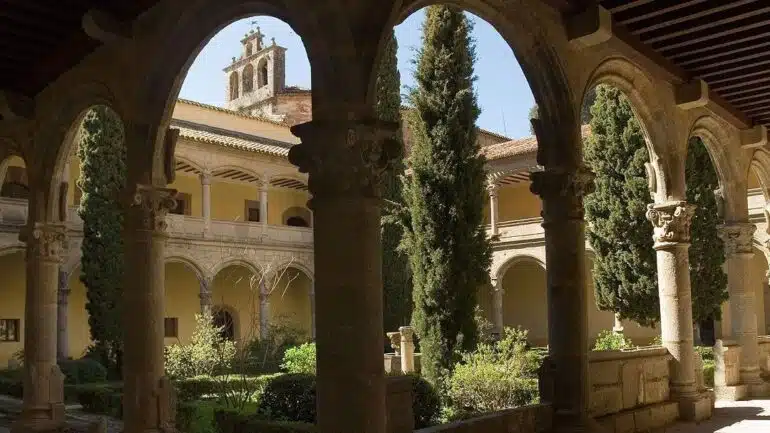
A tourism sector that moves millions
Experts consider that religious tourism has become one of the segments with the greatest growth potential within international tourism.
International forecasts also point to spectacular growth in the sector in the coming years thanks to the rise of:
experiential travel,
the pilgrimages,
cultural tourism
and spiritual routes.
Spain plays a fundamental role here due to the enormous amount of religious heritage it possesses.
According to different tourism studies, seven of the ten most visited monuments in the country are directly related to religious or historical spaces linked to faith.
And that makes religious tourism a key economic driver for:
historic cities,
rural areas,
hostels,
hotels,
restaurants,
travel agencies
and businesses related to cultural heritage.
The spiritual traveler of 2026 is no longer the same
One of the most interesting aspects of the study is the radical change in the profile of the religious traveler.
Years ago, organized groups and traditional pilgrims predominated.
Today much more varied profiles appear:
young travelers,
people in emotional search,
international tourists,
wellness travelers,
hikers,
influencers
and people interested in authentic experiences.
Many mix spirituality with gastronomic tourism, nature and local culture.
Especially among foreign travelers, interest in experiences related to:
the silence,
reflection,
the technological disconnect
and human contact.
The Camino de Santiago fits perfectly into this new global trend.
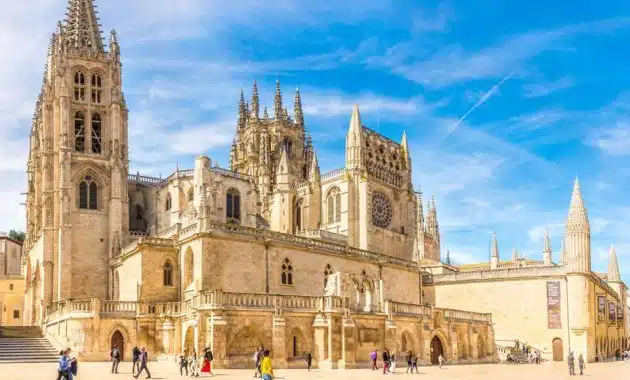
Andalusia wants to position itself in this new tourism
The involvement of Andalusian Tourism in the study also reflects how the autonomous communities are trying to position themselves within this new model of spiritual and cultural tourism.
Andalusia has:
pilgrimages,
holy weeks,
historical routes,
monasteries,
shrines
and religious heritage of enormous international value.
The objective is to attract a traveler who no longer seeks only to visit monuments, but to live complete experiences related to:
the culture,
the emotions,
the story
and local traditions.
Religious tourism enters a new era
Experts agree that spiritual tourism is no longer seen as something exclusively religious.
Now it is also related to:
welfare,
emotional health,
slow travel,
sustainable tourism
and personal growth.
Many travelers claim that these types of experiences allow them to reconnect with themselves in a society marked by speed, stress and digital hyperconnection.
And precisely therein lies one of the great keys to the current success of the Camino de Santiago and other Spanish spiritual destinations.
Because today many people don't just travel to see places.
Travel to feel something.
Spain maintains one of the most powerful spiritual heritages in the world
The study presented by ObservaTUR makes it clear that Spain continues to be one of the great international references for religious and cultural tourism.
Not only by faith.
Also for:
the story,
the heritage,
hospitality,
gastronomy
and the ability to offer deeply human experiences.
And in 2026, everything indicates that this model will continue to grow.
Because more and more people are looking for trips that change them inside.
And few places achieve that like the Spanish spiritual routes.