Conchiglie, stelle, animali fantastici e strani segni lasciati dai costruttori medievali accompagnano ancora oggi and pellegrini verso Santiago
This is the last migliaia of Italian films. Camino de Santiago Watching chiese, monasteries, ponti e cattedrali without knowing how, proprio davanti ai loro occhi, si naconde un secondo Cammino.
A journey fatto di symbolic incisi in the stone.
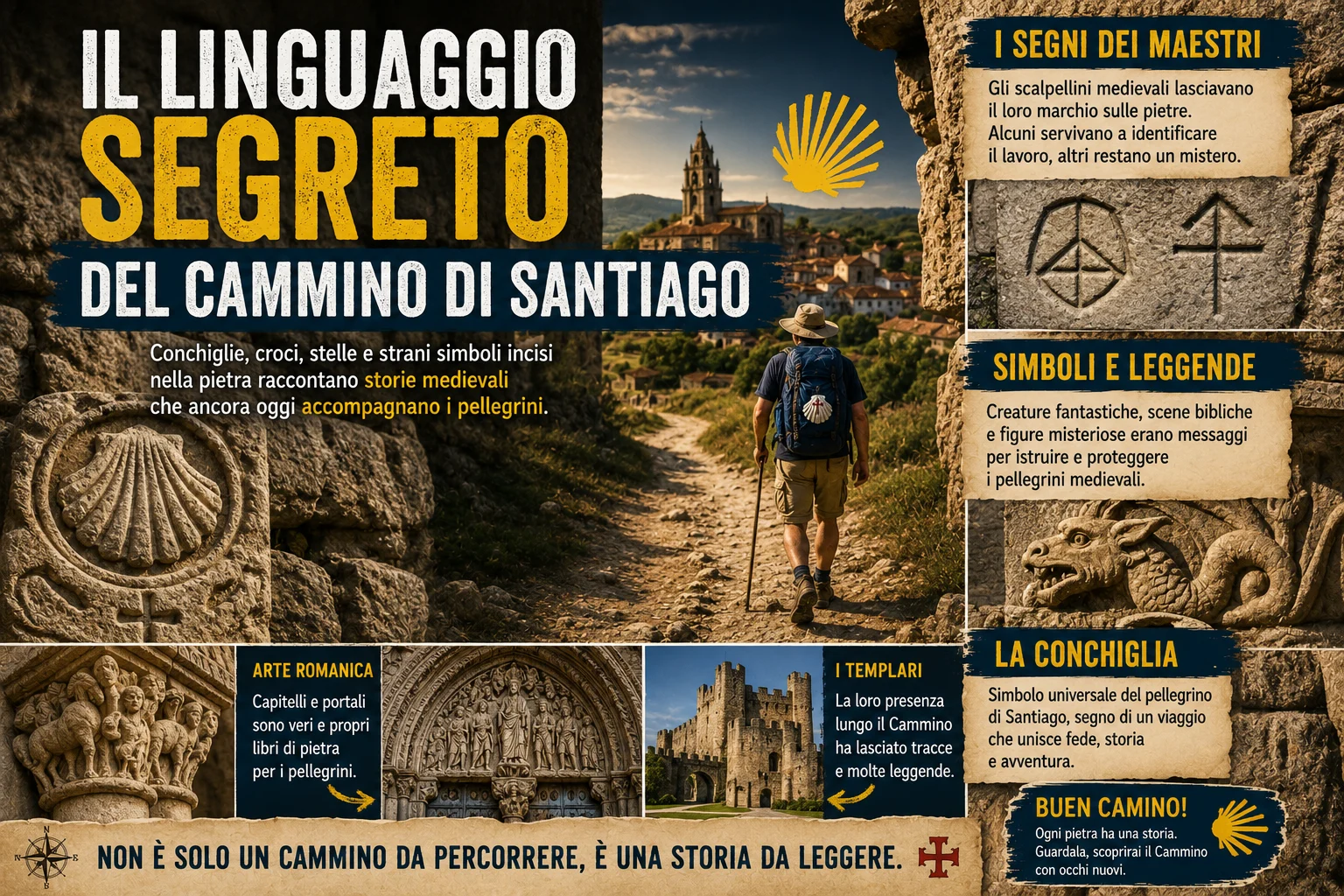
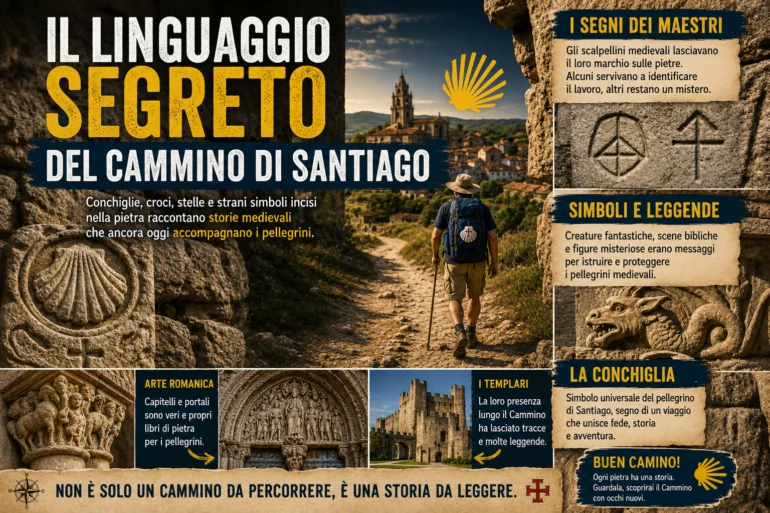
Croci mysteriouse, stelle, conchiglie, figure geometriche, animali fantastici e soprattutto piccoli segni lasciati dai master scalpellini medievali I compaiono ancora oggi his numerous building long le vie jacobee.
Alcuni have a practical function.
Altri wereo religiosi.
And its other anchor continues to circulate interpretations and legends.
The most fascinating thing?
Molti pelegrini ci passano accanto senza notali.
The firm of the uomini that built the Road
Bisogna will turn indietro of almost a thousand years.
Between the 11th and the 13th century, among the pellegrinaggio verse Santiago grew enormously, long the main rotte were built ponti, monasteries, ospedali and chiese.
To carry out servivano serciti di artegiani.
Gli scalpellini lavoravano enormi blocchi di pietra che successivano utilizzati nella costruzione.
The majority of these blocks are accompanied by ancora and piccoli symbols: frecce, croci, lettere, triangoli, cerchi and other geometric shapes.
Sono i cosiddetti segni lapidari or marche di scalpellino.
Una delle interpretazioni più accettate è very less mysterious than what is suggested by the legend: servivano spesso to identify the work carried out by a determinate craft or group of lavoratori, also in relation to all'organizzazione and to the payment of the lavoro.
Ma non tutti i simboli medievali possono essere spiegati allo in this mode.
Ed è qui che comincia il mistero.
A huge book written in the pietra
In the Middle Ages, a large part of the population does not know anything.
Le chiese erano quindi anche enormi libri illustrati.
Sulle facciate, nei capitelli e nei portali venivano rappresentate scene della Bibbia, santi, peccati, virtù e immagini del Giudizio Universale.
My accanto alle figure religiose compaiono creature decisively più surprisingti.
Mermaid.
Draghi.
Leoni.
Serpenti.
Showri.
Uomini divorati da animals.
Personaggi in grottesche positions.
For a medieval pellegrino that images can be transformed into immediately comprehensible morals.
Il mondo esterno was pericoloso.
La salvezza si trovava symbolically all'interno del luogo sacro.
The French Way is the foot of this story
One of the best moments to start this particular caccia ai simboli è il French Way.
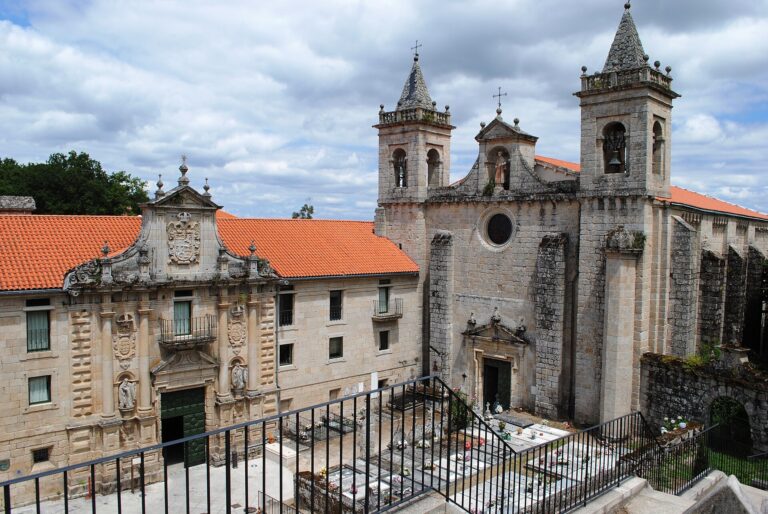
In Jaca, Frómista, Carrión de los Condes, León and in numerous centri piccoli if we can observe Roman elements that will explain the way in which the medieval world interpreted the world.
The stessa Cathedral of Santiago de Compostela preserves one of the most important elements of this visual culture.
Il Porch of Glory, performed by Maestro Mateo and from his bottega at the end of the XII century, is very much part of a spettacolare opera d'arte.
È un medieval universe scolpito nella pietra.
Apostles, prophets, angels and symbolic creatures accompagnavano their own pellegrino at the climax of their journey.
E poi arrivano i Templari
When he talks about the mystery symbols on his way, he inevitably compares a story:
Templar.
The Order of the Tempio ebbe a documented presence in diverse territories across the life of the pellegrinaggio.
One of the luoghi that feeds the templare imagination è Ponferrada, with its impressive castle.
From which an enormous amount of history is born, its symbols, treasures, relics and secret messes.
Ma bisogna will distinguish the story from the legend.
Non-ogni croce incised in a church that belongs to the Templars and non-ogni geometric symbol contains a secret code.
Many modern interpretations are probably very romantic in medieval reality.
Eppure this miscela of historical documentation and legends rende il Camino irresistibile.
The conchiglia: the symbol that conquered Europe
Tratti questi segni ce n'è è uno que ha surpassato i secoli:
the conchiglia di Santiago.
In the Middle Ages there are one of the distinctive elements of the skins that lived in Compostela.
Carrying it on its cappello, its mantello or its bisaccia allows it to be rich as a pellegrini from Santiago.
Oggi è ovunque.
Sui segnali.
Sui monumenti.
Sugli zaini.
Sulle credenziali.
Perfino tattooed on the skin of a person's migliaia.
A medieval symbol is wonderfully sewn to diventare, almost a thousand years ago, one of the tourist and spiritual images of Europe's richest treasures.
Fence and symbols completely change the way
This is the most interesting part of the modern pellegrino.
During the next trip, sometimes if you limit yourself to entering a church and taking a photograph, it is worth watching.
I will save my capitelli.
Osservare le pietre vicino alle porte.
Cercare piccoli segni sui muri.
Alzare gli occhi verso gli archi.
Potrebbe compare a croce.
A geometric figure.
A monstrous creature.
Oppure il semplice marchio lasciato da un uomo che lavorò quella pietra otto o novecento anni fa.
Quell'uomo probabilimente non avrebbe mai immaginato che, quasi un millennio dopo, un pellegrino origina dall'Italia si sarebbe fermato davanti alla sua pietra.
Ma il segno è ancora lì.
This is one of the greatest secrets of the Camino de Santiago.
Don't even walk around it.
Bisogna will stop to save it.