



The Galician Empanada: More than a dish, a cultural and social emblem
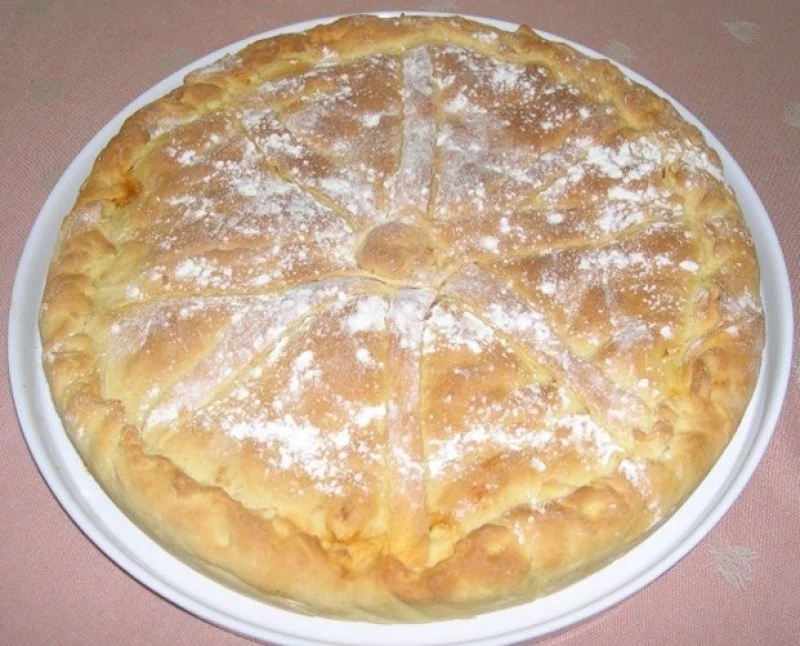
The Galician empanada is described as a totemic symbol of identity and belonging that transcends the culinary. Their presence is essential in the celebrations ("there is no party without an empanada") and their act of share It is considered a ritual collective union.
Meaning and Anthropological Dimension
- Earth symbol: Its firm mass symbolizes the fertile land, and its closed shape protects the filling, which varies depending on the geography: raxo (pork loin) and cod inside, and seafood such as xoubas or zamburiñas on the coast.
- Social Value: It's a plate democratic and hospitable which represents abundance. It is never made for just one person, but rather to be enjoyed as a community, uniting families and neighbors.
- Historical Origins: It dates back to ancient civilizations and was immortalized in the 12th century in the reliefs of the Santiago de Compostela Cathedral (Gelmírez Palace and Pórtico de la Gloria), confirming its link with the Camino de Santiago. Its sealed format made it ideal for the pilgrim by keeping the filling fresh.
The Empanada as “Culinary Universal”
The text proposes that the empanada is part of the "gastronomic universals", dishes that appear in different cultures with variations, as happens with flan or meatballs. The empanada represents the universal gesture of enclosing something tasty inside a piece of bread.
The Recipe and the Personal Ritual
For the author, making the empanada is a unhurried ritual that connects her with her roots. Kneading, filling and baking are acts full of "patient magic."
Regarding the recipe, the author highlights two main modalities:
- The authentic and original Galician bread empanada (the "bread dough").
- A thin and flaky variant, with beer or wine fermentation, known as pastelones.
The essential filling of the empanada is known as loved o zaragallada and it always has onion. The "queen" of all empanadas is, according to popular opinion (although with exceptions), that of lamprey. The author laments that, despite its status, nowadays it is difficult to find a good artisan empanada.

















