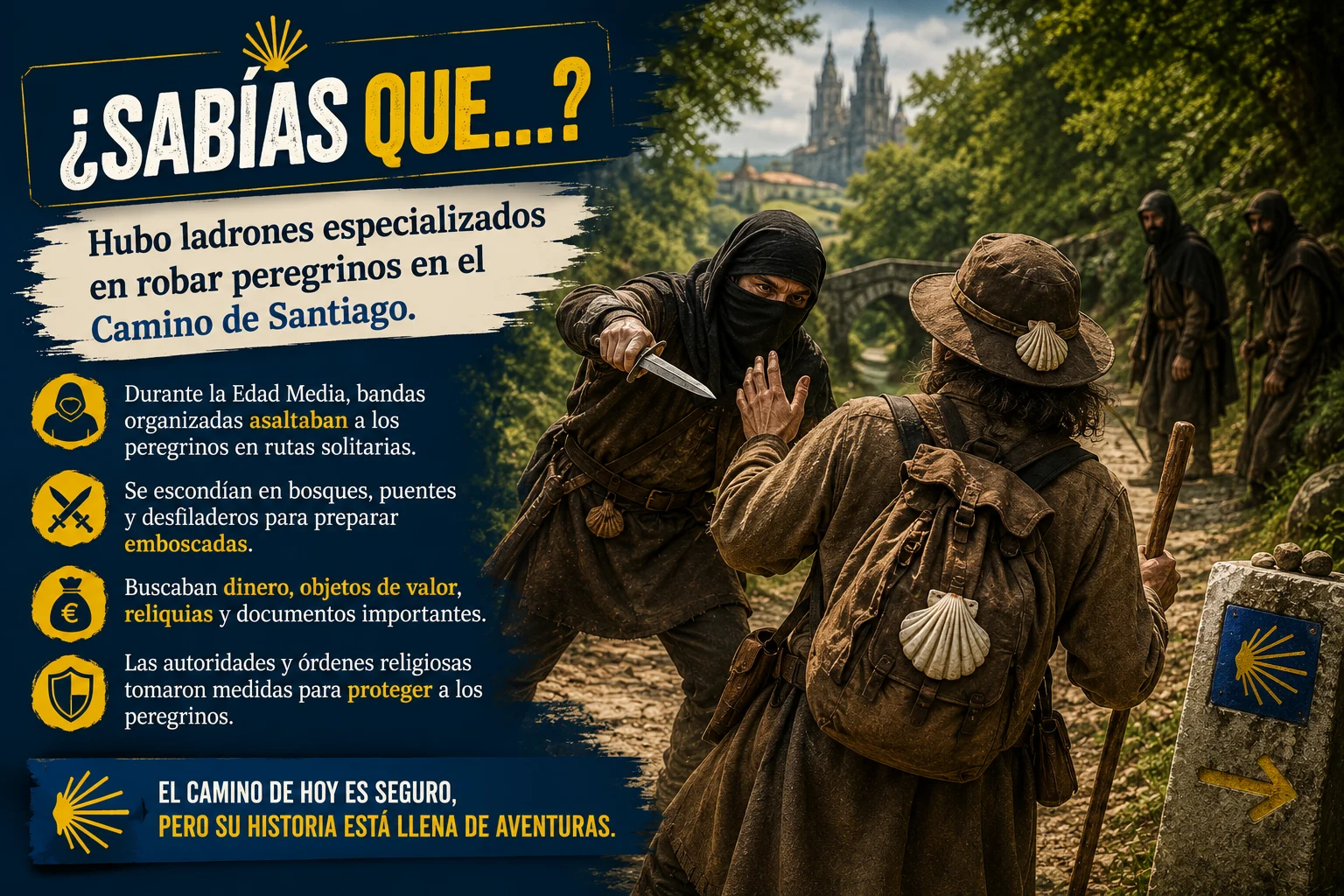
For centuries, the Camino de Santiago was also the scene of assaults, ambushes and organized gangs waiting for walkers to pass by.
Today it is difficult to imagine it. He Camino de Santiago It is synonymous with hospitality, solidarity and encounter between people from all over the world. Thousands of pilgrims travel its trails every year with the peace of mind of knowing that there are shelters, emergency services and a wide support network. However, it was not always like this.
During the Middle Ages, making the pilgrimage to Santiago de Compostela meant facing numerous dangers. In addition to diseases, storms or wild animals, there was a constant threat that especially worried the walkers: the highway robbers.
Many of them even specialized in robbing pilgrims, aware that they were transporting money, valuable objects, documents and even religious relics.
The Camino was one of the busiest routes in Europe
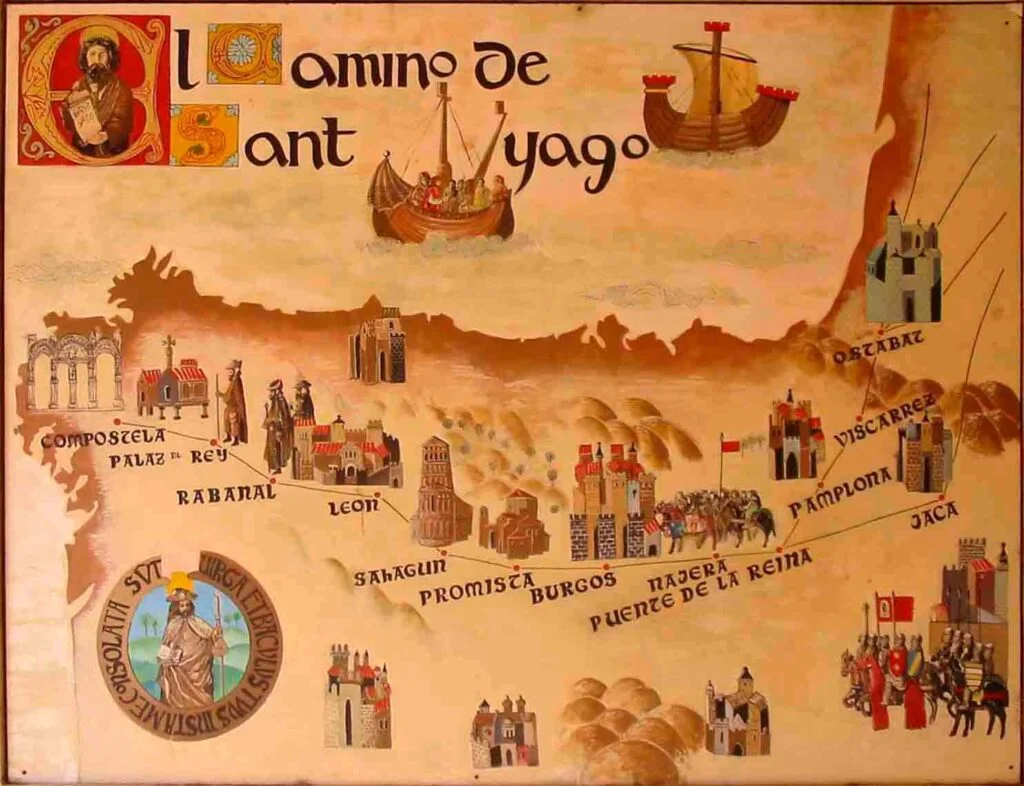
Starting in the 11th century, the Camino de Santiago became one of the great pilgrimage routes on the continent.
Thousands of people from France, Italy, Germany, England or the Spanish kingdoms crossed mountains, forests and towns for weeks or even months.
This enormous flow of travelers also attracted the attention of those seeking to enrich themselves illegally.
The thieves knew perfectly well where the pilgrims passed, which stages were the most isolated and which were the places where it was easiest to prepare an ambush.
In many cases they acted in small, perfectly organized groups.
What were the assailants looking for?
Although many pilgrims undertook the Camino with very few resources, others carried significant amounts of money.
There were nobles, merchants, clerics or foreign travelers who carried gold and silver coins to pay for the entire journey.
It was also common to transport:
- Credentials and documents.
- Jewelry.
- Religious relics.
- Quality clothing.
- Horses or mules.
- Food.
- Personal items of great value.
All this made some pilgrims very attractive targets for criminals.
Ambushes in the loneliest places
Robberies rarely occurred within cities.
The attackers preferred to operate in wooded areas, gorges, bridges, mountain passes or narrow roads where it was difficult to ask for help.
They waited hidden among the vegetation until a pilgrim walked alone.
Sometimes they simply threatened him to make him hand over his belongings.
But there are also historical documents that speak of violent attacks and even murders.
For this reason, many pilgrims preferred to travel in groups.
The union offered much greater protection against criminals.
Some criminals posed as pilgrims
One of the most surprising methods was to infiltrate the walkers themselves.
Dressed in a cape, hat and staff, some thieves walked through various stages with the group, gaining the trust of others.
They waited for the right moment to disappear during the night with money, backpacks or animals.
On other occasions they provided information to organized bands indicating which pilgrims were transporting objects of greater value.
The kingdoms toughened the penalties
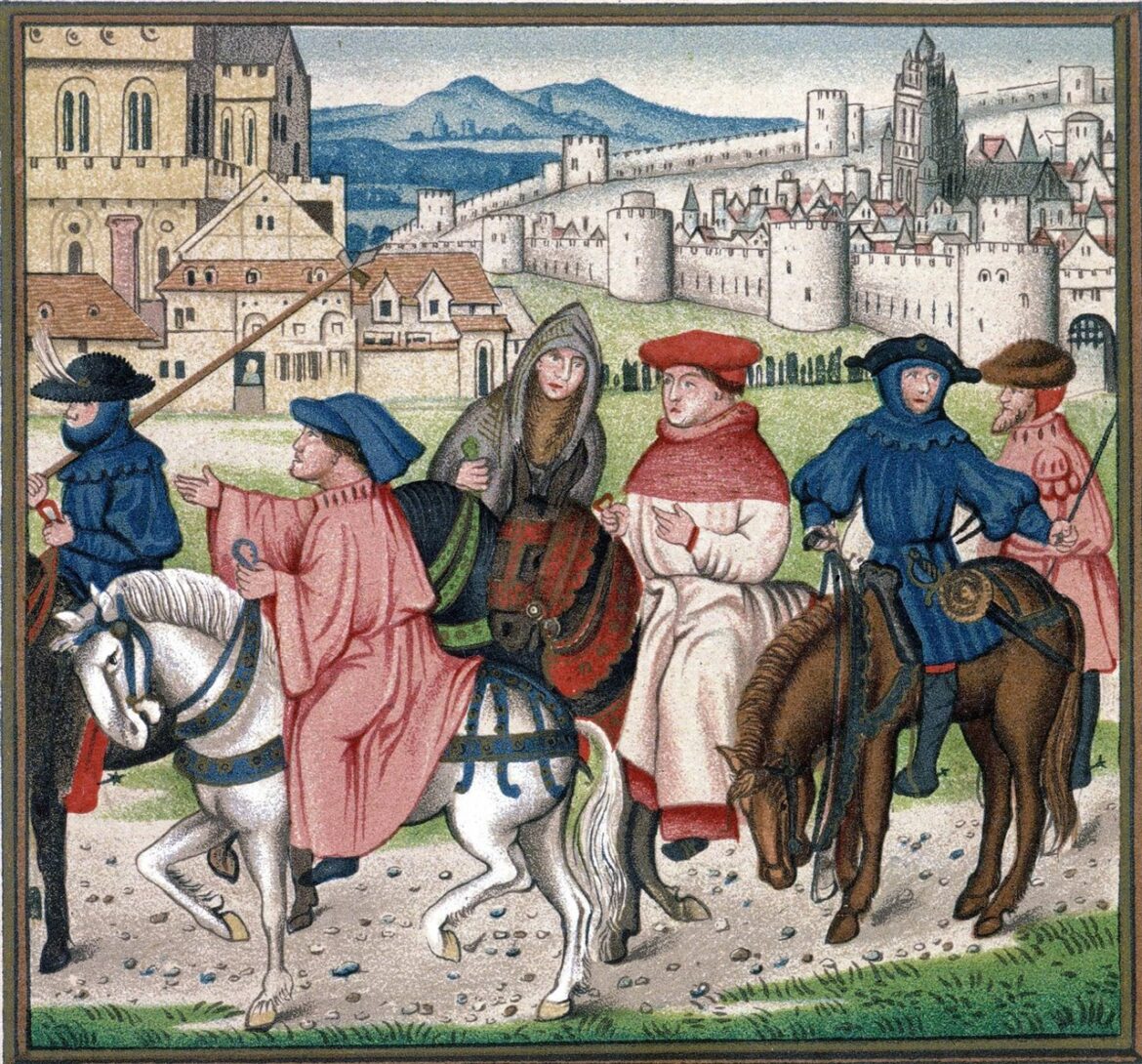
The importance of the Camino de Santiago for Europe made kings, bishops and authorities take very severe measures against those who attacked pilgrims.
Assaulting a walker could be considered a particularly serious crime.
In some territories the penalties included long sentences, confiscation of property and even the death penalty for the most violent cases.
The protection of the pilgrim became a political and religious priority.
It wasn't just a security issue.
The international prestige of the Camino de Santiago was also at stake.
Hospitallers, monks and military orders also protected the Camino
Security did not depend solely on soldiers.
Many monasteries, pilgrim hospitals and religious orders offered refuge to walkers.
In addition to providing food and accommodation, they informed about dangerous sections and recommended traveling accompanied.
In some places there were patrols in charge of monitoring the most conflictive roads.
Over the centuries, these measures helped considerably reduce bandit activity.
Today's Camino is very different
Fortunately, the current reality is completely different.
The Camino de Santiago has thousands of volunteers, hospitaleros, security forces, Jacobean associations and emergency services who work to guarantee the safety of pilgrims.
Serious incidents are very rare and millions of people complete the pilgrimage each year without suffering any problems.
Even so, the basic recommendations remain the same:
- Do not walk at night in isolated areas.
- Always keep your belongings under surveillance.
- Inform family members of the planned route.
- Only use official or trusted accommodations.
- Immediately notify the authorities of any suspicious situation.
A historical curiosity that few know
The story of thieves specialized in robbing pilgrims demonstrates the extent to which the Camino de Santiago has evolved over the centuries.
What today is an experience of international coexistence was for a long time an adventure full of uncertainty, where faith coexisted with danger.
Knowing these stories helps to better understand the enormous effort that millions of medieval pilgrims made to reach the tomb of the Apostle Santiago.
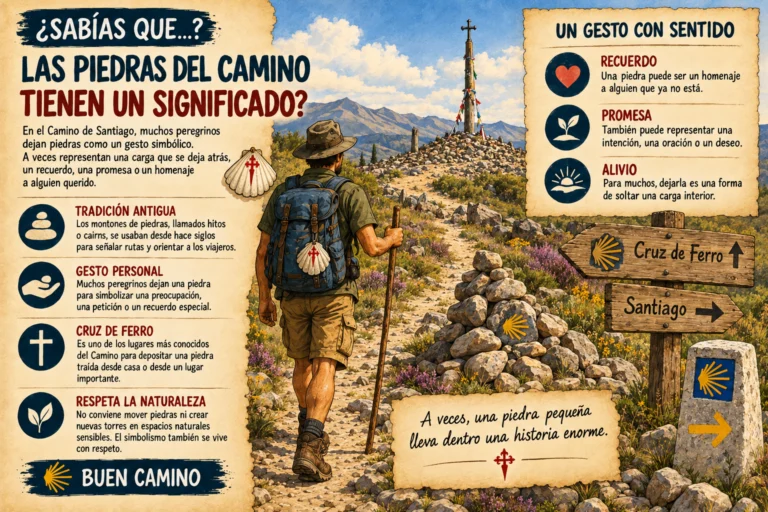
And remember that each stone on the Camino keeps much more than footprints... it also preserves centuries of stories, legends and curiosities that continue to surprise those who decide to walk it.